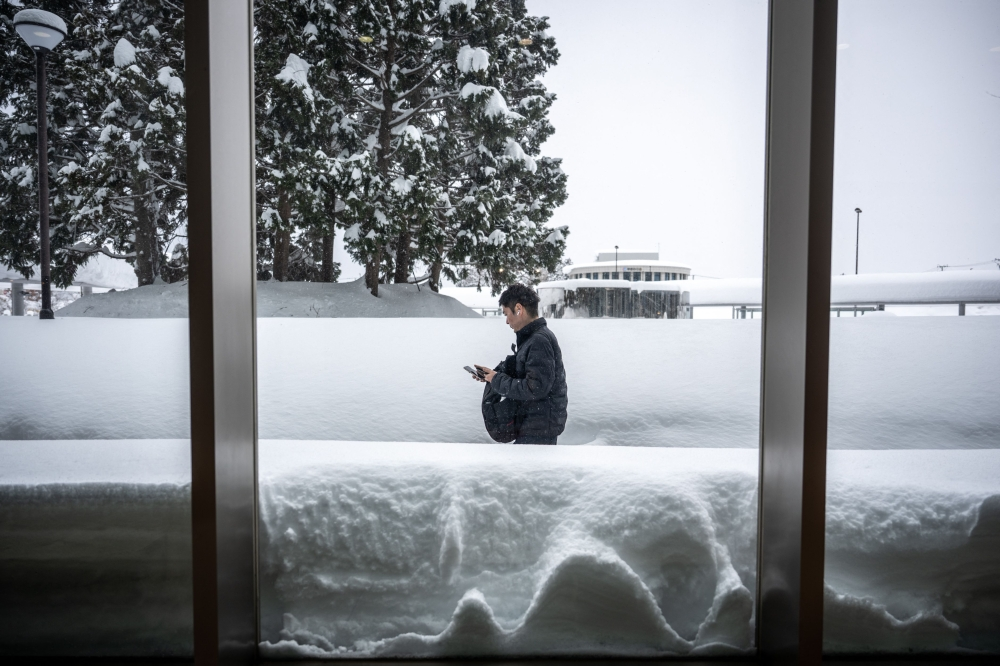
Japan is experiencing a severe weather system that has brought torrential snowfall, particularly along the Sea of Japan coast, resulting in at least 30 deaths over the past two weeks, according to official reports released Tuesday. The blizzard has paralyzed life in many areas and prompted an emergency response from the central government to address one of the worst natural disasters to hit the country this winter.
General context: The phenomenon of “snow in the Sea of Japan”
Japan, particularly its western regions bordering the Sea of Japan, is known for a unique weather phenomenon called "sea-effect snow." This occurs when cold, dry air masses from Siberia cross the relatively warm waters of the Sea of Japan. These winds carry large amounts of moisture, and when they encounter the mountain ranges along the Japanese coast, they are forced to rise and cool, resulting in heavy snowfall. While this weather pattern is common in winter, the current storm has been exceptionally intense, with some areas receiving more than double their usual snowfall, exacerbating the situation.
Details of the tragedy and its local impact
The Fire and Disaster Management Agency announced that all deaths recorded since January 20 were a direct result of the heavy snowfall. The causes of death varied, including slips and falls from rooftops while shoveling, and suffocation under collapsing snowdrifts. Among the tragic stories was that of a 91-year-old woman found dead under a three-meter-high snowdrift outside her home in Ajigasawa Township, Aomori Prefecture. Police believe the snow on her roof collapsed on her as she was trying to shovel it; a shovel was found nearby.
Government response and military intervention
Faced with the escalating crisis, Prime Minister Sanae Takaichi convened an emergency cabinet meeting, directing all possible efforts to prevent further deaths and accidents. In Aomori Prefecture, the hardest hit where snow reached 4.5 meters in some remote areas, the governor requested assistance from the Japan Self-Defense Forces (JSDF). The troops were deployed to help residents, especially elderly people living alone, clear snow from paths and rooftops and ensure their access to essential services. The snow also caused widespread infrastructure disruptions, including power outages, highway closures, train service suspensions, and the cancellation of hundreds of flights, isolating some villages and towns.
Importance and expected effects
This natural disaster highlights the vulnerability of societies, particularly those with a high percentage of elderly people, to extreme weather events. Regionally, transportation disruptions are impacting supply chains within Japan, while internationally, they could affect travel and tourism. These events also underscore the challenges posed by climate change, which could lead to an increase in the frequency and intensity of such snowstorms in the future, requiring Japanese authorities to strengthen their disaster preparedness and response plans.