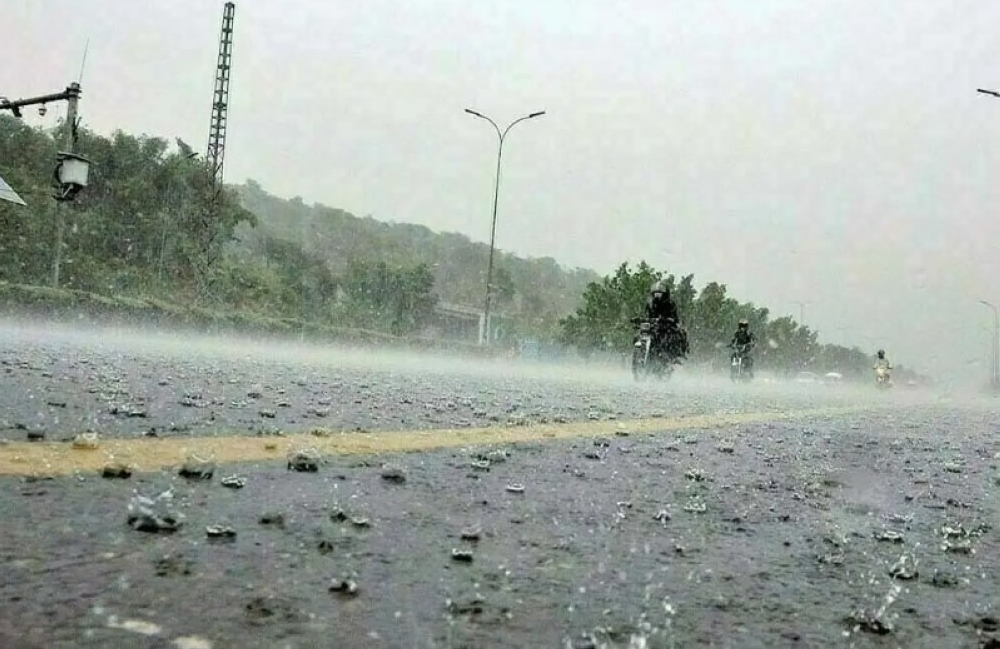
Karachi, the capital of Sindh province, has been hit by unprecedented severe weather, with torrential rains and strong winds lashing southern Pakistan over the past 24 hours. This natural disaster has left at least 19 people dead and nearly 60 others injured in a series of tragic incidents linked to the severe weather, according to local authorities and rescue teams who rushed to the scene.
Consequences and damage from heavy rains in southern Pakistan
The Pakistan Meteorological Department reported that wind speeds accompanying the storm ranged from 90 to 97 kilometers per hour. These fierce winds, coupled with heavy rainfall in southern Pakistan, uprooted trees and toppled large billboards, bringing traffic to a standstill in several key areas of Karachi. The storm also caused widespread power outages, exacerbating the suffering of residents already struggling with these harsh weather conditions.
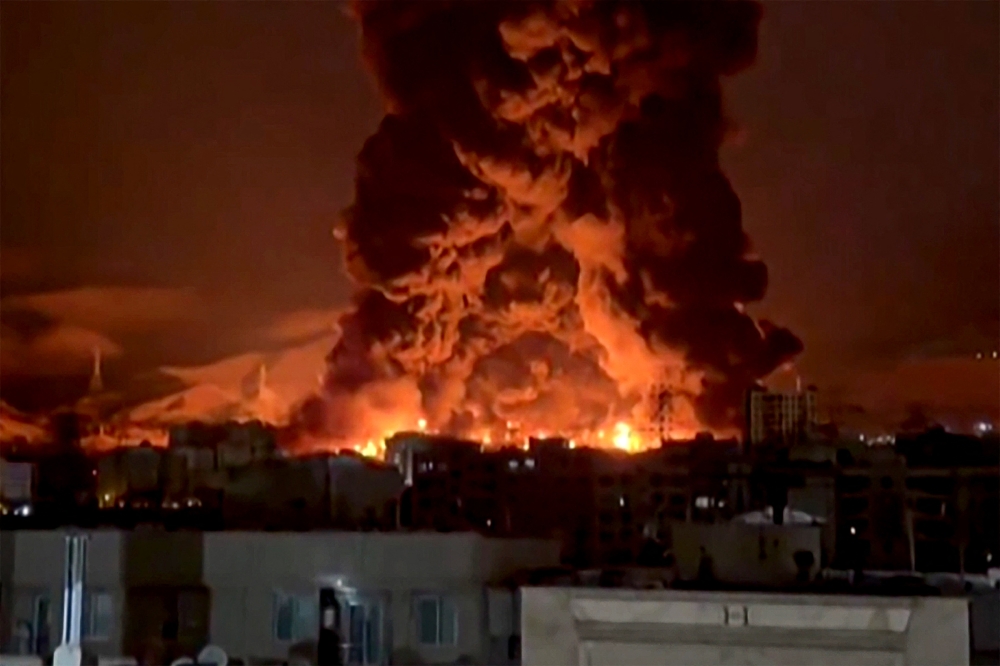
Days after deadly strikes, #Afghanistan announces the start of intensified attacks on #Pakistan #today https://t.co/koYNkRPRJf
— Al-Youm Newspaper (@alyaum) February 26, 2026
Rescue and ambulance teams explained that most of the victims who perished during the storm lost their lives due to the collapse of roofs and walls of old and dilapidated houses. Fallen trees and billboards in residential neighborhoods also caused serious injuries. The causes of death were not limited to collapses; they also included electrocution in flooded streets and lightning strikes that hit several different areas.
Climate change and the history of natural disasters in the region
These tragic events come within a long history of climate challenges facing the country. Pakistan is ranked globally as one of the most vulnerable to the impacts of climate change, despite its relatively small contribution to global carbon emissions. Karachi, the country's largest economic center, is accustomed to severe weather conditions, particularly during the annual monsoon season that sweeps across the Indian subcontinent. However, recent climate changes have increased the frequency and intensity of these storms, placing the city's infrastructure under constant and relentless strain from nature's fury.
The economic and social impacts of the recent storm
This catastrophic event carries immense significance and far-reaching consequences that extend far beyond the tragic loss of life. Locally, Karachi is suffering severe economic losses due to business closures, damage to public and private property, and disruptions to supply chains caused by flooded streets and power outages. Regionally and internationally, this disaster underscores once again the urgent need to bolster international climate finance to support developing countries in building disaster-resilient infrastructure. It also serves as a stark warning to the international community about the urgent need to take action to mitigate global warming, which now threatens the lives of millions in South Asia and around the world.