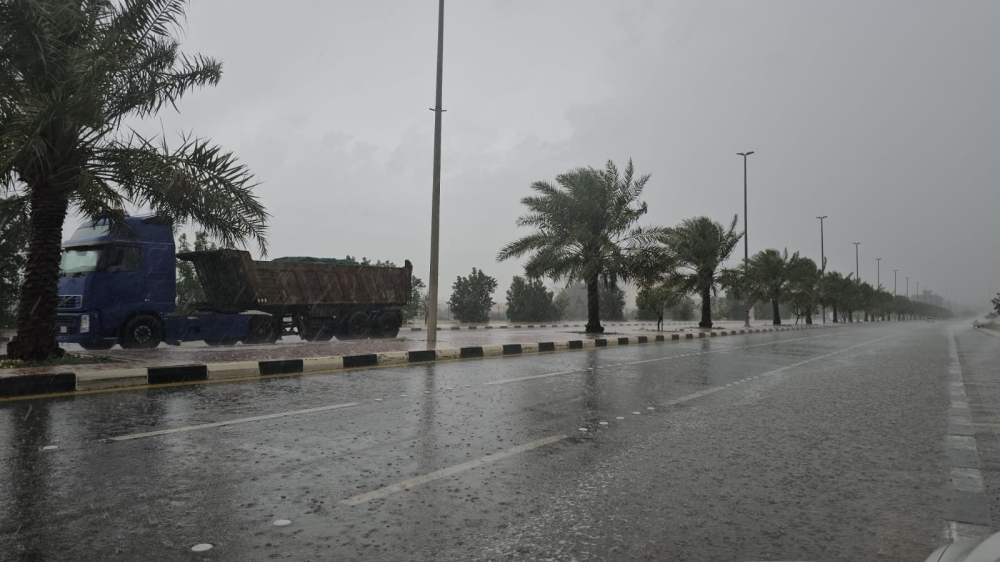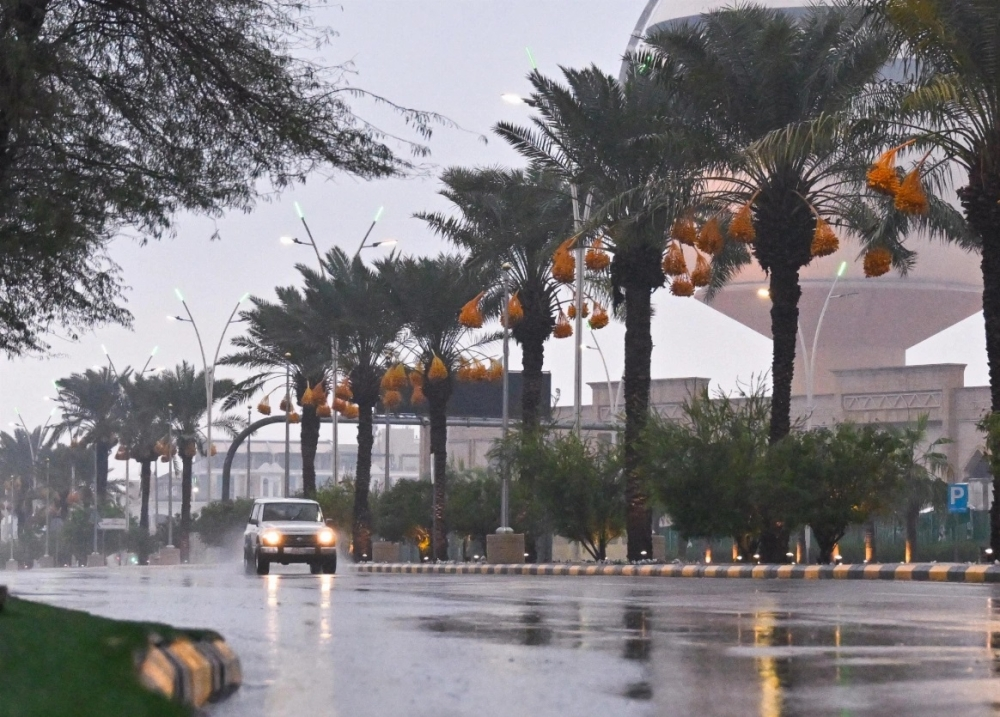
In a significant and noteworthy development, Professor Hamza Koumi, Director General of Weather and Climate Forecasting at the National Center for Meteorology, revealed important details regarding the impact of significant weather fluctuations on most regions of Saudi Arabia. The center warned of a period of heavy rainfall , ranging from moderate to severe, expected to dominate the weather over the next few days, urging citizens and residents to take precautions.
Details and areas affected by heavy rainfall in Saudi Arabia
In his statements, Koumi explained that forecasts and numerical models clearly indicate that rainfall will reach high intensity levels in several vital areas. The Eastern Province, Makkah, Madinah, and Al-Baha are at the top of the list of affected regions. Additionally, the impact of these thunderstorms extends to large parts of the Asir and Jazan regions, reaching as far south as the Riyadh region. These anticipated thunderstorms are typically accompanied by heavy hail and strong downdrafts that may stir up dust and reduce horizontal visibility.
Climatic context: Characteristics of spring in the Arabian Peninsula
To understand the nature of these changes, it is necessary to consider the general context and historical background of the Kingdom's climate. Historically, spring in the Arabian Peninsula is known as a critical transitional period characterized by atmospheric instability. During these months, warm, moist air masses from the south collide with the remaining cold air masses in the upper atmosphere. This thermal collision creates an ideal environment for the formation of violent cumulonimbus clouds. Kumi further explained that accompanying phenomena may include waterspouts along the coast or small tornadoes, emphasizing that spring is rarely devoid of such weather events, characterized by their strong and sudden activity, and these phenomena are quite common and well-known in the Saudi climate record.
Importance and expected impacts at the local and regional levels
These weather changes are of great importance and have multifaceted impacts. Locally, spring rains play a vital role in replenishing groundwater, raising dam levels, and supporting vegetation and natural pastures upon which the livestock sector depends. However, the heavy rainfall necessitates the activation of emergency plans by civil defense and relevant authorities to manage water accumulation and flash floods in valleys and ravines, ensuring the safety of lives and property and preventing traffic accidents.
Regionally, the impact of this low-pressure system extends beyond the Kingdom's borders. Koumi reported that rainfall will ultimately be concentrated in the border regions of some neighboring Gulf countries. This movement of air masses necessitates ongoing coordination among Gulf meteorological centers, as it affects air and sea navigation throughout the region, highlighting the importance of early weather monitoring.
When will the weather fluctuations subside and stability return?
In closing, the Director General of Weather and Climate Forecasts reassured the public that current forecasts indicate the end of the weather system and its gradual decline, God willing, by next Saturday. Its effects will gradually be confined to the southern parts of the Kingdom, after which the rainy air mass will begin to gradually move away from the Kingdom's skies, heralding a complete stabilization of weather conditions in most Saudi regions and a return to normal weather patterns.