The Australian Bureau of Meteorology issued a series of urgent warnings today for residents of Sydney and western New South Wales as a severe heatwave begins to hit the region. Forecasts indicate the possibility of record-breaking temperatures reaching 40 degrees Celsius over the next few days, urging residents to take extreme precautions.
Causes of the heat wave and weather details
The Bureau of Meteorology explained in its detailed statement that this scorching heat is caused by a hot, dry air mass moving from the northwest of the country towards the coast. This air mass, carrying with it the heat of the Australian desert, will lead to extremely dry conditions and a significant rise in temperatures, especially in the inland suburbs of Sydney and areas far from sea breezes, where the heat is expected to be more intense than in the eastern coastal regions.
Fire risks and their effects
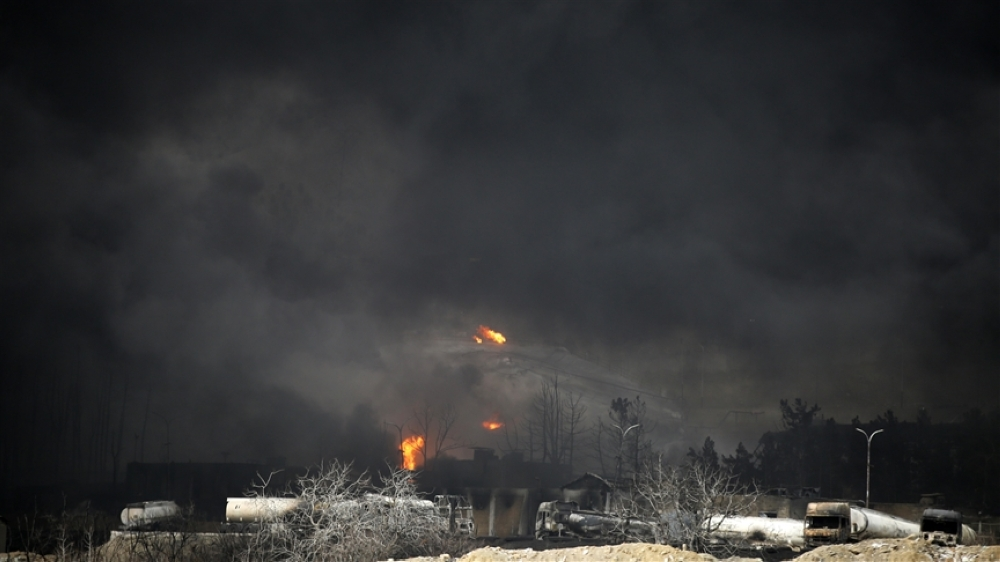
The current concern extends beyond rising temperatures to include serious fears of an increased risk of bushfires. New South Wales has a long history of seasonal fires, where the combination of high temperatures, dry winds, and low humidity creates ideal conditions for fires to ignite and spread rapidly. Authorities have urged residents in areas near bushland and forests to remain vigilant and regularly check civil defense updates.
Health risks and preventive measures
On the health front, medical authorities have warned that the sharp rise in temperatures could lead to an increase in cases of heatstroke and heat exhaustion, particularly among vulnerable groups such as the elderly, children, and those with chronic illnesses. Residents are advised to avoid direct sun exposure during peak hours, drink plenty of water, and stay in air-conditioned spaces whenever possible.
Climate context and the recurrence of extreme phenomena
This heatwave comes amid a rapidly changing global climate, with extreme weather events becoming more frequent and intense. Australia, by virtue of its geographical location and continental nature, is among the countries most affected by these changes. In recent years, the continent has experienced sharp contrasts between severe droughts and floods, placing increasing pressure on infrastructure and power grids, which are already struggling to meet the surge in electricity demand for cooling during heatwaves.
The Bureau of Meteorology expects western Sydney to record the highest temperatures during this heatwave, and confirms that it will continue to monitor the weather situation and issue the necessary updates to ensure the safety of citizens and residents.