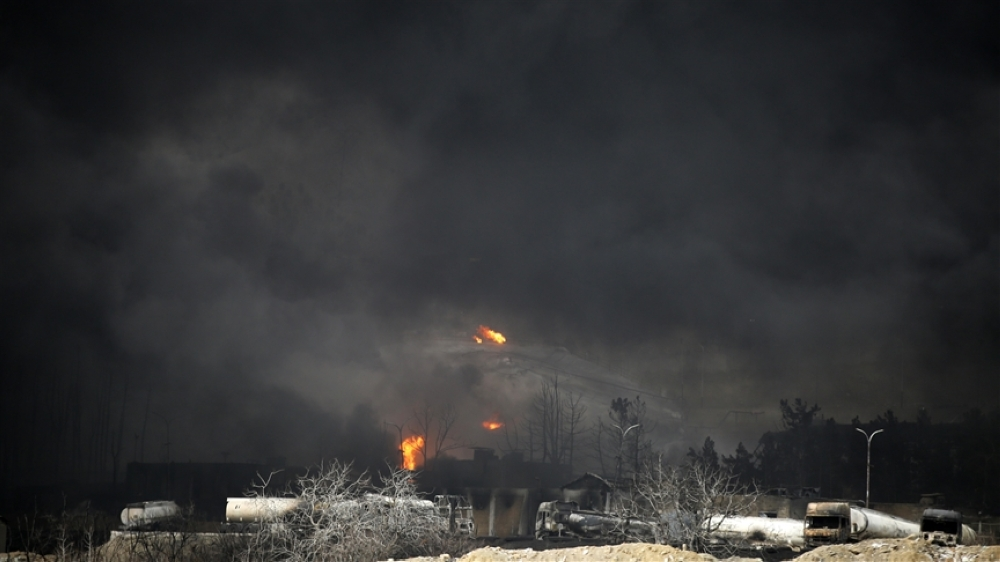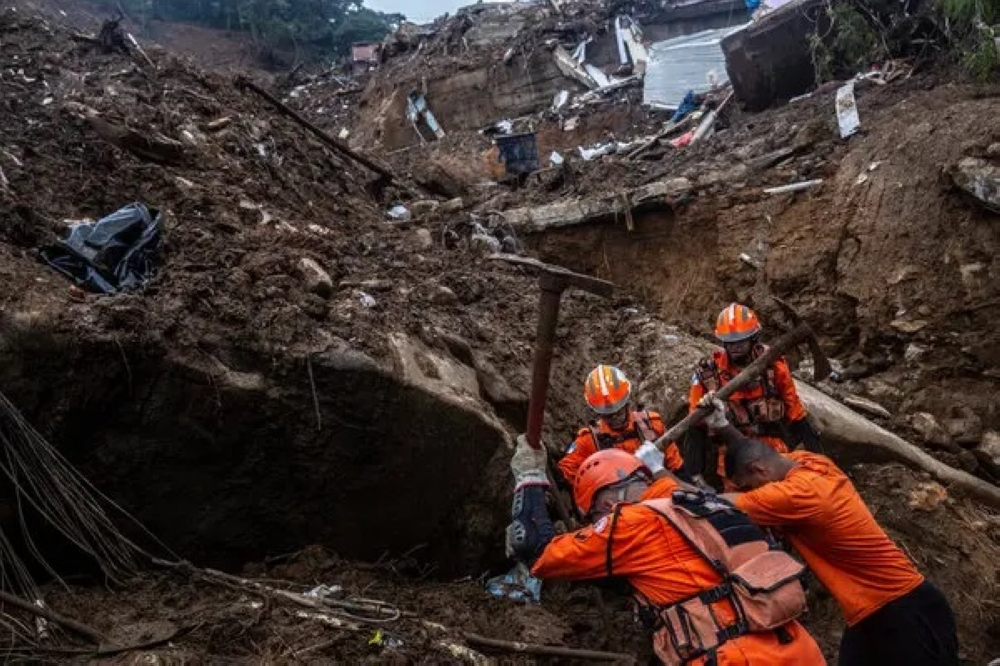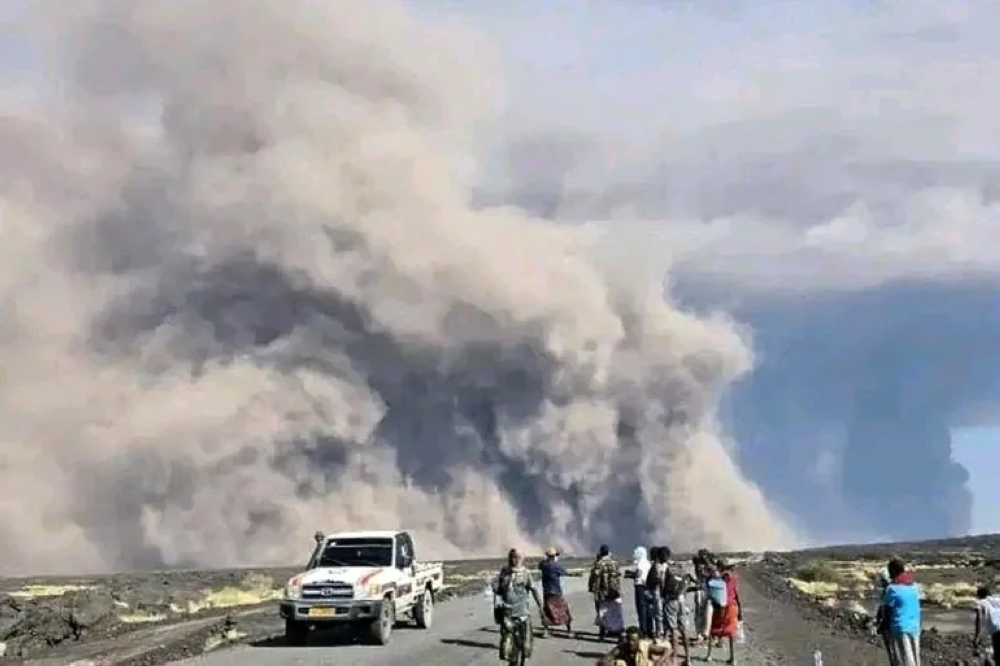
Two days after its violent eruption, a cautious calm has settled over Haile Gobi volcano in the Afar region of northern Ethiopia. Although the flow of lava and gases has ceased, the effects of the eruption are still visible, having left behind destruction in nearby villages and caused widespread disruption to regional and international air traffic due to the thick ash clouds that rose to great heights.
Geological context: Volcanically active region
The Haile Gobi volcano lies within the Afar Depression, also known as the Afar Triangle, one of the most geologically active regions on Earth. This area is the meeting point of three tectonic plates (the Arabian Plate, the Nubian Plate, and the Somali Plate) that are slowly moving apart, resulting in continuous seismic and volcanic activity. The region is also known for other famous volcanoes, such as Erta Ale, which is known for its permanent lava lake. This geological context makes volcanic eruptions in the Afar region a predictable event, but it does not diminish their severity and devastating impact on the environment and local populations.
Local and regional influences
Locally, the impact was devastating for the residents of the Avdera region, who are mostly nomadic herders. A thick layer of volcanic ash covered vast areas of grazing land and water sources, threatening the livestock upon which they depend for their livelihoods. Local officials reported that residents suffered from respiratory problems and persistent coughing due to inhaling the fine ash, requiring urgent medical intervention. The eruption also forced some families to flee their villages in search of safer areas and clean water.
International flight disruption
The volcano's impact quickly spread beyond Ethiopia's borders, with the ash cloud reaching heights of over 10 kilometers posing a significant threat to civil aviation. The danger stemmed from the fact that fine particles of volcanic ash could melt inside aircraft jet engines and then refreeze, potentially causing complete engine failure. Consequently, international airlines rushed to cancel dozens of flights passing through the affected airspace, particularly those from Asia to Africa and Europe. Airlines such as Air India and Acacia Air announced cancellations of flights to destinations in the Middle East, and takeoffs and landings at major airports like Indira Gandhi International Airport in New Delhi were disrupted, resulting in delays and cancellations affecting thousands of passengers.