Al-Ahsa hosts the Bisht heritage with wide Arab participation
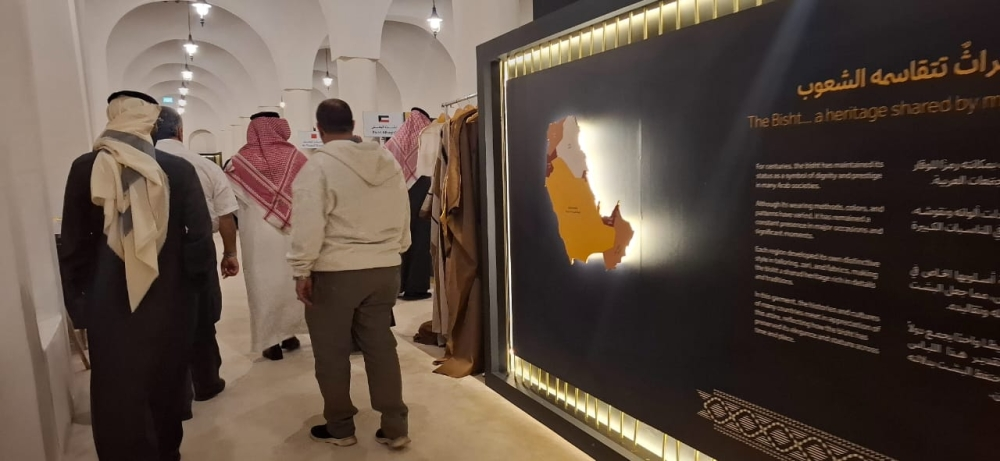
In a unique cultural event, the Saudi Heritage Commission solidified the Kingdom's position as a regional cultural hub by organizing the "Al-Ahsa Bisht Festival" at the historic Ibrahim Palace in Al-Ahsa Governorate. The festival attracted wide participation from five leading Arab and Gulf countries in this craft—Iraq, Bahrain, Qatar, Kuwait, and Syria—underscoring Al-Ahsa's historical prominence as the cradle of this authentic heritage industry, which forms an integral part of the region's shared cultural identity.
The Hasawi bisht: a symbol of authenticity and a heritage spanning centuries
The bisht, or cloak, is more than just a traditional garment; it's a symbol of social status, prestige, and authenticity in Arab and Gulf culture. Al-Ahsa is renowned for its "Al-Ahsa bisht," which has gained international fame thanks to the quality of its handcraftsmanship and the intricate details passed down through generations. The bisht is woven from camel hair or goat wool, and its edges are embroidered with gold or silver zari threads in a meticulous process that takes weeks of skillful handwork, making it a precious work of art worn on formal occasions and grand celebrations.
The importance of the festival in preserving world heritage
The festival gains particular significance following the inscription of the "Al-Ahsa bisht" on UNESCO's Representative List of the Intangible Cultural Heritage of Humanity, an international recognition of its cultural and human value. The event aims to further this achievement by highlighting this ancient craft, introducing its history and secrets to new generations, and providing a platform for artisans to exchange experiences and knowledge, thus ensuring the continuity of this cultural heritage and protecting it from extinction in the face of modern challenges.
Arab Expertise Forum and Emphasis on Al-Ahsa Origins
A select group of leading bisht merchants and artisans from across the Arab world unanimously agreed on the profound impact the festival had on reviving the living memory of this craft. Participants described the event as an exceptional platform for exchanging expertise and showcasing their authentic products to a discerning audience, thus strengthening the presence of traditional Arab attire in the contemporary cultural landscape.
Testimonials from professionals in the field:
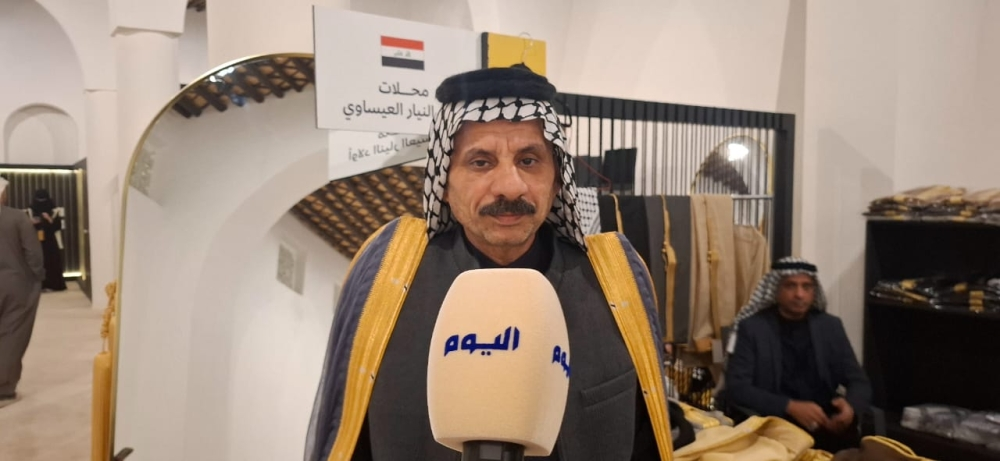
- Iraq: Iraqi trader Hassan Al-Niyar revealed the depth of the artistic ties between the “Najafiya Abaya” and the “Hasawi Bisht,” pointing to the similarity of the hand-sewing techniques that reflect the unity of the cultural roots between the two countries.
- Bahrain: Hussain Al-Youssef, a descendant of a family that has practiced the craft since 1939, confirmed that the Bahraini bisht is a historical extension of the Hasawi origin, pointing to the success of Bahraini craftsmen in developing “Zari” patterns and introducing modern colors while preserving the authentic identity.
- Syria: Syrian merchant Sadiq Baalbeki considered Al-Ahsa to be the “legitimate mother” of the bisht industry, pointing out that the Syrian bisht is distinguished by its “royal pattern” and the use of greenish zari, stressing the development of the quality of the industry in Syria.
- Kuwait: Kuwaiti trader Farid Al-Baghli stressed that the craftsmen of Al-Ahsa were the ones who transferred the secrets of the craft to neighboring countries, expressing his pride in the Kuwaiti achievement of weaving the largest bisht in the world and entering the Guinness Book of Records as a message of pride in the shared Gulf identity.
- Qatar: Qatari trader Ali Al-Youssef concluded the testimonies by emphasizing the commitment of craftsmen in Qatar to preserving the “old Hasawi style” that was worn by kings, while ensuring the use of the finest types of zari and international fabrics to offer a product that combines luxury and authenticity.