Maximum readiness and integrated services for the guests of God
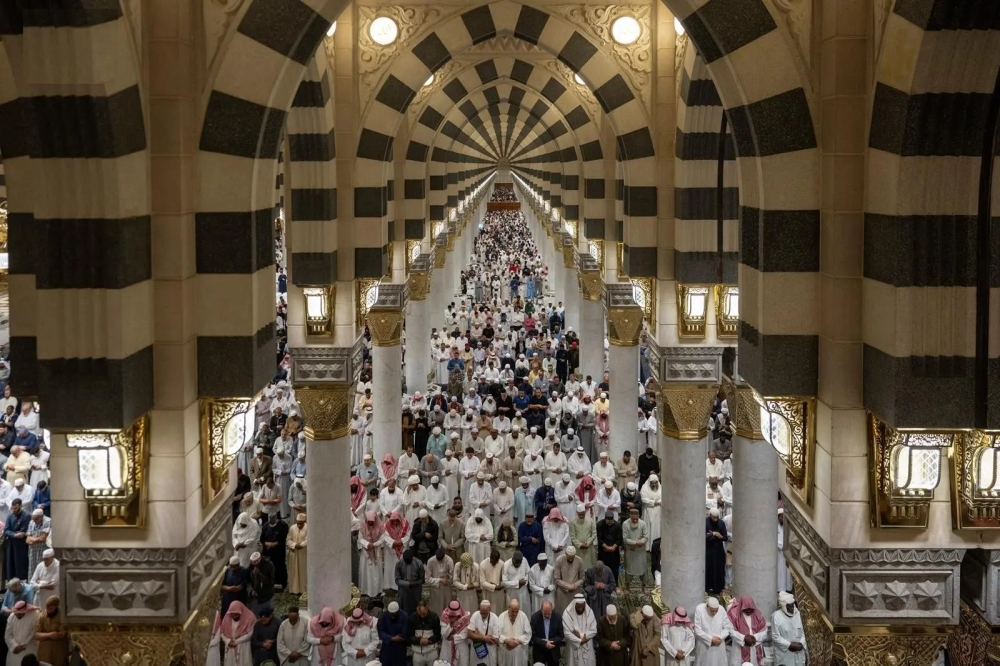
The General Authority for the Care of the Two Holy Mosques announced the completion of its operational and service preparations to receive millions of visitors and pilgrims during the holy month of Ramadan. The efforts of all relevant sectors are integrated to provide a comprehensive system of services that ensures pilgrims can perform their religious rites in a spiritually uplifting atmosphere characterized by organization, comfort, and tranquility. This reflects the great care that the Kingdom of Saudi Arabia takes in serving the Two Holy Mosques and their visitors.
Ramadan in the Two Holy Mosques: A Historical and Spiritual Context
The month of Ramadan holds a special place in the hearts of Muslims worldwide, and this significance is amplified when spent in the vicinity of the Two Holy Mosques. Since the dawn of Islam, Mecca and Medina have been destinations for Muslims, and the number of pilgrims increases dramatically during this blessed month to perform Umrah and observe Itikaf, especially during the last ten days in search of Laylat al-Qadr (the Night of Decree). Serving these millions of pilgrims is a great honor and historical responsibility, the methods of which have evolved throughout the ages to reach unprecedented levels of organization and technology today.
Operational plan details in numbers
The operational plan includes impressive figures reflecting the scale of the preparations. More than 47,000 Zamzam water dispensers have been distributed throughout the courtyards and halls of the Two Holy Mosques, along with 60,000 luxurious prayer rugs. To ensure a comfortable experience, 258,560 lighting units, 370 air conditioning units, 980 escalators, and 114 elevators have been maintained and are operational to facilitate crowd movement. Additionally, 14,558 speakers have been installed to guarantee clear sound throughout the area, and 11,956 restrooms have been made available to serve visitors around the clock.
Support services and special care for visitors
The plan also addressed humanitarian needs and support services, providing 10,000 manual wheelchairs and 403 electric wheelchairs to assist the elderly and people with disabilities in performing their rituals with ease. Twelve wheelchairs were also designated to facilitate the performance of rituals within the Grand Mosque. For the convenience of families, three childcare centers, five luggage drop-off points at the gates, and four luggage storage facilities were established, contributing to a comprehensive and safe experience for all family members.
Importance and impact at the local and international levels
The significance of this annual religious event transcends the local sphere, reaching global audiences. Locally, these preparations are a key component of the Kingdom's Vision 2030, which aims to enhance the Hajj and Umrah experience. Internationally, these efforts reinforce the Kingdom's position as a leader of the Islamic world and as the custodian of its holiest sites. The successful management of these millions of pilgrims from diverse nationalities and cultures reflects the Kingdom's exceptional organizational capabilities and presents a shining example of the care it provides to the guests of God, leaving a positive impression on millions of Muslims worldwide.
Behind this integrated system stands a huge team of 19,230 administrative, technical and field personnel who work in continuous coordination to ensure that operations run smoothly and provide the highest levels of service to visitors of the Two Holy Mosques during the holy month.