Maximum readiness at the Two Holy Mosques to receive the masses of worshippers on Friday
The General Presidency for Religious Affairs at the Grand Mosque and the Prophet's Mosque announced an increase in its field and digital preparedness as part of intensive preparations to receive the large numbers of worshippers and visitors expected to arrive for Friday prayers. These efforts are part of a comprehensive system aimed at providing a safe and accessible worship environment that combines tradition with modern technology to serve the pilgrims, in line with the directives of the wise leadership to enhance the quality of services provided in the holiest of places.
Historical background and religious significance
Friday holds a special place in Islam, as the Friday prayer is one of the most important religious rites that Muslims are keen to perform in congregation. The significance of this prayer is amplified when performed in the Grand Mosque in Mecca and the Prophet's Mosque in Medina, the two holiest sites in Islam. Throughout history, the Two Holy Mosques have served as spiritual and intellectual centers for Muslims from all over the world, and successive governments throughout Islamic history have been responsible for their upkeep and expansion to ensure the comfort of visitors. During the Saudi era, the Two Holy Mosques have witnessed the largest expansions in their history, accompanied by a comprehensive development of the services provided to accommodate the millions of pilgrims who visit the two holy cities annually.
Integrated services system in the Grand Mosque
To ensure the highest level of preparedness, the Presidency has enhanced its awareness and guidance programs within the Grand Mosque. "Answering Questions" centers are located throughout the mosque's various corridors and courtyards to provide religious rulings and answers to pilgrims, supported by dedicated telephone lines operating in multiple languages. Interactive digital screens have also been activated, displaying simplified religious content that blends authenticity with technology, enabling visitors to learn the rulings on worship and sound Islamic doctrine in a modern way.
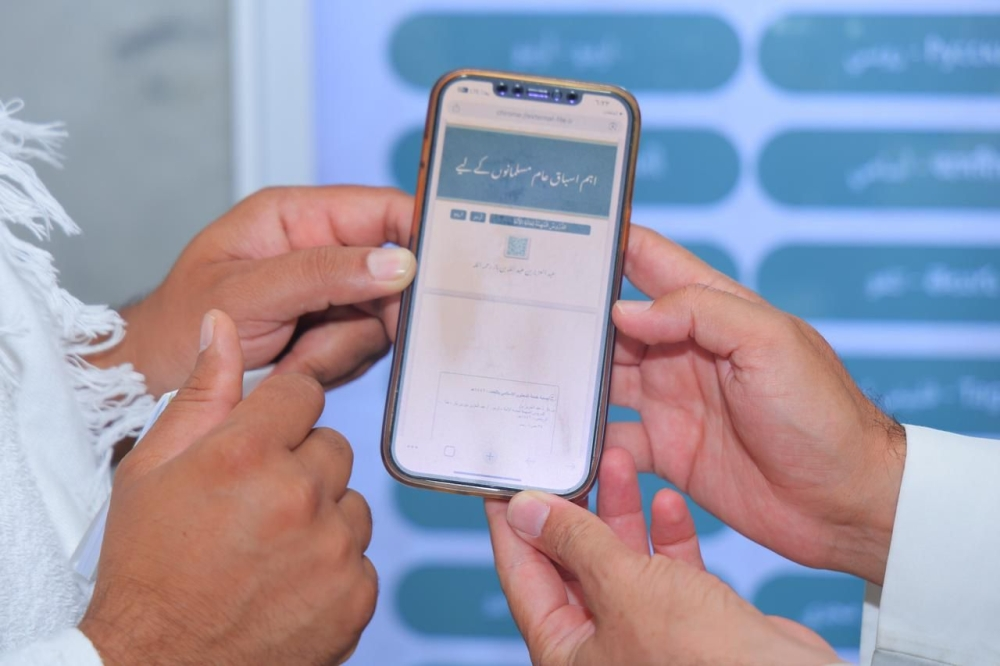
In the realm of global communication, simultaneous and on-the-ground translation efforts have been intensified. The Friday sermon is translated into 15 international languages and broadcast live via the “Manarat Al-Haramain” digital platform, reaching Muslims worldwide. These efforts are complemented by the distribution of digital brochures and pamphlets via QR codes, reducing paper usage and keeping pace with the digital transformation.
Facilitating the movement of pilgrims and providing dedicated services for women
To address the high volume of worshippers in the circumambulation area (Mataf), field agencies have increased the number of qualified guides (Mutawwifs) and strategically deployed them at entrances and passageways to manage the flow of movement. The "Tibyan wa Dalala" program has also been activated, providing direct guidance to pilgrims to ensure smooth movement and clarify designated routes. Simultaneously, qualified female staff continue to provide specialized guidance and educational services to female visitors within the women's prayer areas of the Grand Mosque, ensuring a private and safe environment for their worship.
Enrichment programs in the Prophet's Mosque
These efforts are not limited to the Grand Mosque in Mecca, but extend to the Prophet's Mosque in Medina, where the Presidency continues to implement religious and educational programs for visitors, including scholarly lessons and lectures on Islamic law. Fatwa and guidance centers have also been activated in the vicinity of the Prophet's Mosque and its courtyards, with translation services provided for a number of lessons and sermons to ensure the religious message reaches people of all nationalities. These enriching initiatives aim to enhance the visitor's spiritual experience and enrich their religious journey according to the highest standards of religious service.
The local and international impact of these efforts
These comprehensive preparations reflect the Kingdom of Saudi Arabia’s commitment to its leading role in serving Islam and Muslims. Domestically, these operational plans ensure highly efficient crowd management and a seamless experience for citizens and residents. Internationally, the provision of multilingual services and global digital platforms enhances the Kingdom’s image as the custodian of the Two Holy Mosques and contributes to conveying Islam’s message of moderation to the world, leaving a profound and positive impact on the millions of Muslims who yearn to visit these holy sites.