An advanced strategy to serve the pilgrims
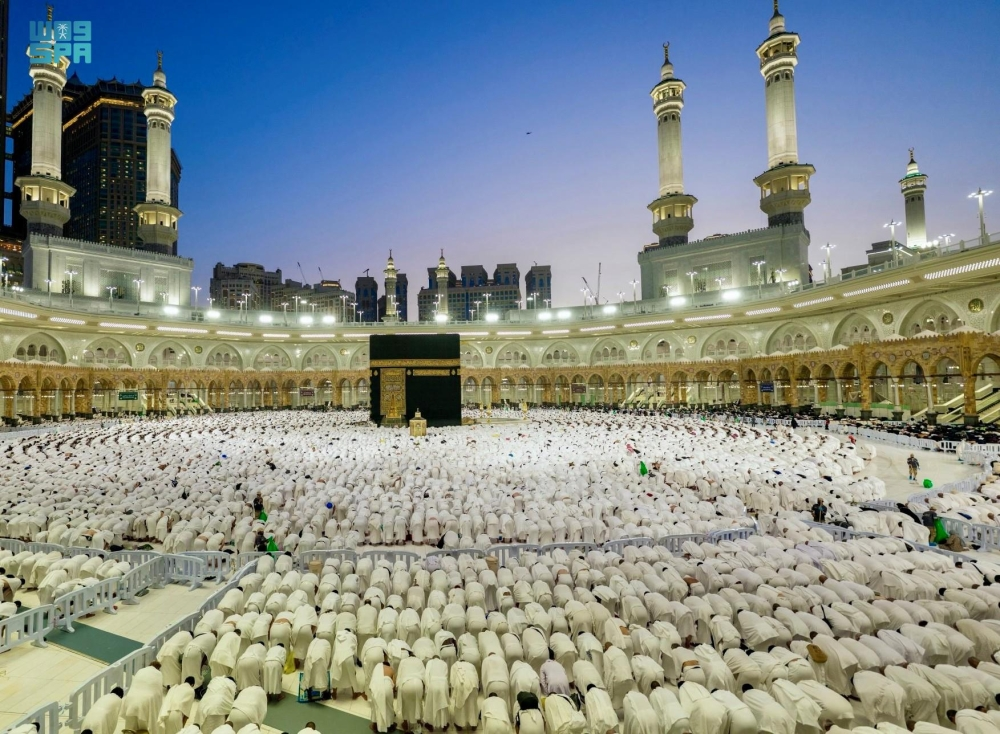
In the heart of Mecca, where the hearts of over two billion Muslims turn, the Kingdom of Saudi Arabia exerts tremendous efforts to ensure the best possible services for pilgrims during Hajj and Umrah seasons. Maps of the Holy Mosque and crowd management routes among the most prominent strategic tools in this regard, serving as a comprehensive guide to organize the movement of millions of pilgrims and ensure their safety and comfort as they perform their rituals with ease.
The historical context of crowd management in the Two Holy Mosques
Historically, managing the millions of pilgrims at the Grand Mosque in Mecca has posed a formidable logistical challenge. As the number of Hajj and Umrah pilgrims has increased over the decades, management methods have evolved from direct human intervention to the adoption of cutting-edge technologies and smart solutions. The past decades have witnessed major transformations in the mosque's infrastructure, including massive expansion projects aimed at increasing capacity and facilitating the movement of worshippers performing Tawaf and Sa'i. These ongoing efforts are the result of accumulated experience in addressing challenges and ensuring that stampedes are not repeated, making pilgrim safety a top priority reflected in modern operational plans.
The importance of smart maps and crowd management routes
Maps are no longer mere paper drawings; they have become integrated, interactive digital systems. These maps are used to guide pilgrims along predetermined routes, carefully designed to distribute crowd density evenly and prevent congestion at entry and exit points, the circumambulation area, the Sa'i area, and the Jamarat area. Their importance lies in several key aspects:
- Enhancing safety: The planned routes help reduce the risk of stampedes and overcrowding, providing a safe environment for pilgrims, especially the elderly, women, and children.
- Improving operational efficiency: These plans enable security, health and emergency teams to quickly reach any location within the sanctuary and surrounding areas to respond immediately to emergencies.
- Facilitating the spiritual experience: When the pilgrim feels safe and has ease of movement, he can focus more on performing his rituals with reverence and tranquility, away from anxiety and physical tension.
Local and international impact within Vision 2030
Domestically, these strategies reflect the Kingdom's commitment to achieving the goals of Vision 2030 , which aims to increase capacity to accommodate more pilgrims and provide them with an exceptional spiritual experience. Internationally, the Kingdom's success in managing the world's largest annual gathering of people solidifies its position as a leading model in crowd management and managing mass gatherings. These experiences and technologies become a global benchmark that can be applied to organizing other major events around the world, further enhancing the Kingdom's positive image and its ability to utilize technology to serve humanitarian and religious objectives.