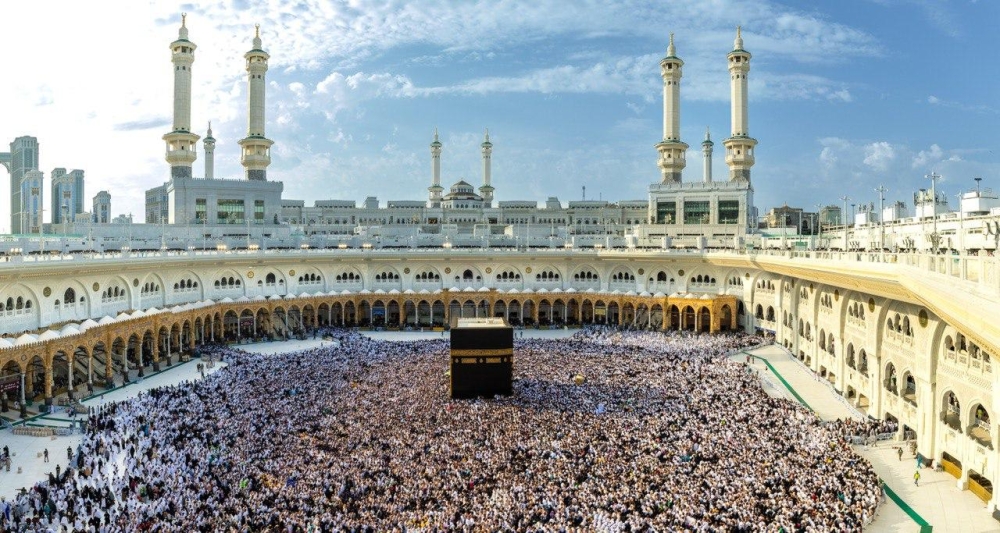
As part of the extensive preparations led by the Kingdom of Saudi Arabia to receive pilgrims, the Ministry of Hajj and Umrah has definitively announced that the pilgrimage can only be performed with a valid Hajj visa . This decisive decision coincides with the approaching end of the Umrah season, as relevant authorities work to manage crowd flow and ensure smooth movement at all land and air entry points, creating a suitable environment for the next phase.
The historical context of the development of the Hajj and Umrah system
Over the decades, Saudi Arabia has paid close attention to developing the infrastructure of Mecca and the Holy Sites. Historically, managing millions of pilgrims and Umrah performers within a limited geographical area and a short timeframe has been a significant challenge. With the launch of Saudi Vision 2030, the system has undergone a radical transformation towards digitalization, with the introduction of smart platforms such as the "Nusk" platform to streamline procedures. This historic development has made it essential to implement strict regulations to ensure that the number of pilgrims aligns with the capacity of the camps, transportation options, and available medical services.
The local and international impact of the need to obtain a formal Hajj visa
The strict enforcement of the ban on performing Hajj on Umrah or visit visas is of paramount importance both domestically and internationally. Therefore, the Ministry consistently emphasizes the necessity of possessing a valid Hajj visa. Domestically, this measure helps eliminate fraudulent Hajj campaigns and the practice of pilgrims sleeping on the streets, thus improving the quality of services provided to legitimate pilgrims and ensuring their safety and security. Regionally and internationally, the adherence of countries and diplomatic missions to the allocated quotas guarantees a fair distribution of opportunities among Muslims worldwide and reflects positively on the efficiency of Saudi Arabia's management of the millions of pilgrims.
Important dates for pilgrims and departure procedures
The Ministry of Hajj and Umrah, through its official account and the hashtag #ComingForUmrah, clarified that the first of Shawwal is the last day for issuing Umrah visas. It also specified the 15th of Shawwal as the last day for pilgrims to enter Saudi Arabia, while the first of Dhu al-Qi'dah will be the final departure date for all pilgrims. During the periodic meeting with Umrah companies, chaired by the Minister of Hajj and Umrah, Dr. Tawfiq bin Fawzan Al-Rabiah, the importance of updating departure data via the "Nusk Masar" platform was emphasized. To ensure a smooth return journey, the Ministry urged pilgrims to monitor flight updates and permitted the shipment of Zamzam water through airports, provided that the containers are purchased from authorized retailers and do not exceed five liters.
Record numbers reflect the season's success
The stringent measures reflect the scale of the efforts undertaken, with statistics revealing that the number of Umrah pilgrims arriving from outside the Kingdom during Ramadan exceeded 1.68 million. Regarding digital services, more than 1.1 million bookings were made for prayer at the Prophet's Mosque (Al-Rawdah Al-Sharifah) for pilgrims from 155 nationalities. The "Nusuk Enaya" centers provided over 153,000 field services and handled more than 19,700 reports, achieving a 93% resolution rate. Furthermore, the supervisory teams conducted over 21,500 inspection tours, underscoring the leadership's commitment to providing a safe environment that paves the way for a smooth transition to the Hajj season.