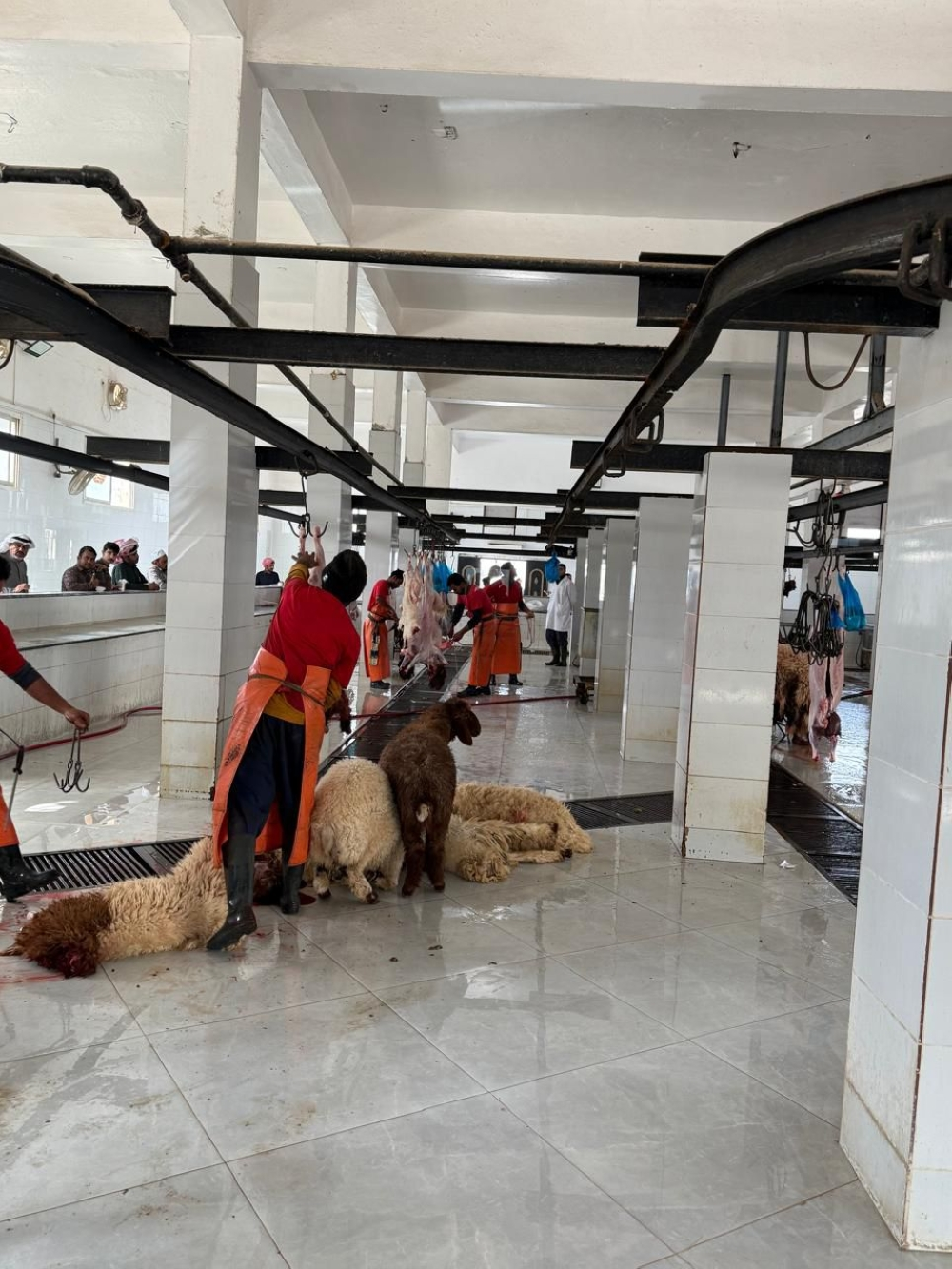
The Ministry of Environment, Water and Agriculture branch in Hafr Al-Batin Governorate announced the launch of an intensive operational and monitoring plan targeting slaughterhouses and slaughter points in the region, coinciding with the approach of the holy month of Ramadan. This step comes as part of ongoing efforts to ensure the safety of food products, particularly meat, which sees a significant increase in demand and consumption during Ramadan.
Background and importance of censorship during seasons
Historically, government agencies in the Kingdom of Saudi Arabia, represented by the Ministry of Environment, Agriculture and the Saudi Food and Drug Authority, have placed paramount importance on food safety, especially during religious seasons such as Ramadan and Hajj. Meat consumption increases significantly during these periods, placing considerable pressure on slaughterhouses and increasing the likelihood of unsanitary practices or violations of regulations. Therefore, seasonal inspection campaigns become essential to protect the public health of citizens and residents and prevent the spread of diseases that may be transmitted through contaminated or spoiled meat.
Details of the control plan in Hafr Al-Batin
The ministry branch explained that the plan includes increasing the number of daily inspection tours of all approved slaughterhouses in the governorate. Inspectors and veterinarians will focus on several key areas to ensure the highest standards of quality and safety are met. These areas include:
- Veterinary inspection: Ensuring that all carcasses are examined before and after the slaughtering process to detect any diseases that may not be apparent, and destroying any meat that is not fit for human consumption immediately.
- Compliance with health requirements: Monitoring the level of general cleanliness in slaughterhouses, sterilizing the tools and equipment used, and ensuring that workers wear uniforms and apply sound health practices.
- Workplace safety: Checking cooling and storage systems, and safe waste disposal mechanisms to prevent environmental pollution and the spread of epidemics.
- Combating random slaughter: Intensifying monitoring of yards, rest areas, and sites that may be used for random slaughter outside of official slaughterhouses, due to the significant risk this poses to public health.
Local and regional impact
Locally, these stringent measures aim to bolster consumer confidence in the meat sold in Hafr Al-Batin markets and ensure a safe and healthy product for breakfast tables. Nationally, the success of these local campaigns contributes to the Kingdom's comprehensive regulatory framework and reflects its commitment to achieving the goals of Vision 2030 related to quality of life and public health. These efforts also help reduce food waste by ensuring products have a longer shelf life.
The ministry branch stressed that there will be no leniency with violators, and that legal penalties will be applied to any facility or individual that does not comply with the approved health instructions and requirements, calling on all citizens and residents to cooperate and report any violations through the official channels designated for this purpose.