UN warning of the erosion of the global order
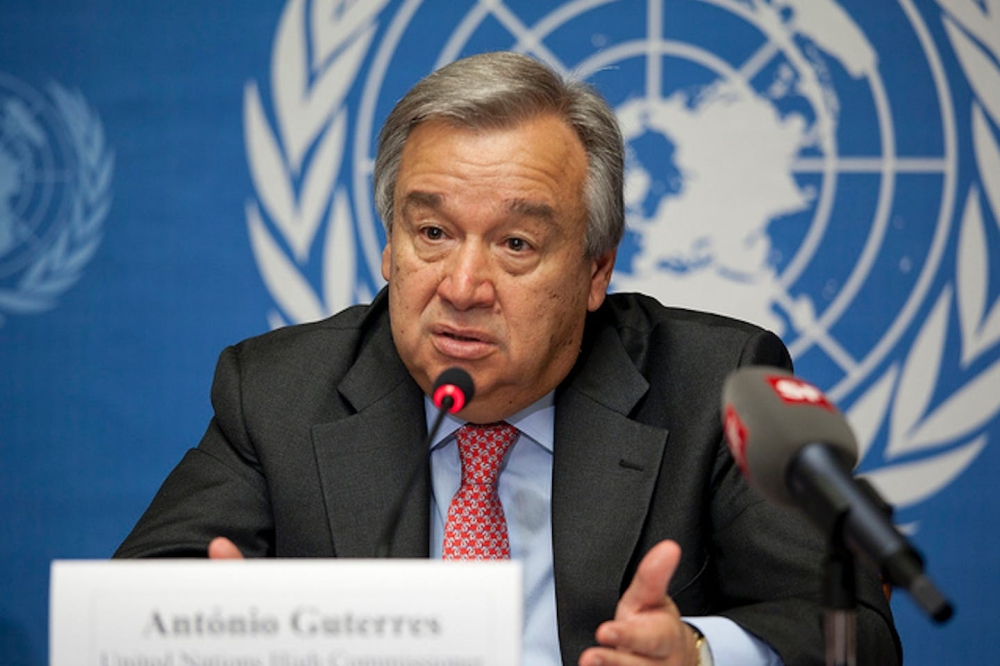
In a crucial address to the UN Security Council, Secretary-General António Guterres sounded the alarm about the deteriorating global situation, asserting that the rule of law, the cornerstone of peace and security, is being gradually replaced by the law of the jungle. Guterres explained that this fundamental principle, the very heart of the UN Charter, is facing blatant and escalating violations worldwide, threatening to undermine the foundations of the international order established to maintain stability and prevent conflict.
Historical context and importance of the United Nations Charter
The United Nations was founded in the aftermath of World War II with the primary goal of preventing a recurrence of the horrors of war by establishing a system based on international cooperation and respect for the rule of law. The UN Charter, the organization's founding document, enshrines fundamental principles such as the peaceful settlement of disputes and the prohibition of the use of force against the territorial integrity or political independence of any state. The Security Council is the principal organ responsible for maintaining international peace and security. However, Guterres' warning reflects a deep concern that these principles, designed to protect the world from chaos, are being systematically violated.
Widespread violations and their global impact
Guterres cited stark examples of this deterioration, noting that international law is treated in many conflicts as a “menu of picks.” He cited crises ranging from Russia’s invasion of Ukraine and the conflict in Gaza to unrest in the Sahel region of Africa, Myanmar, and elsewhere. He explained that these violations take many forms, including the unlawful use of force, targeting of civilian infrastructure, human rights abuses, the illegal development of nuclear weapons, unconstitutional changes of government, and the obstruction of humanitarian aid. He stressed that these actions not only cause immense human suffering but also set dangerous precedents that undermine trust between states and fuel divisions, making it virtually impossible to find common solutions to global challenges.
A call to reform the Security Council and strengthen its role
The Secretary-General did not overlook the pivotal role of the Security Council, emphasizing that it is the body that makes binding decisions for all, and that its responsibility is “unique and its commitment universal.” However, he implicitly acknowledged the challenges facing the Council, including divisions and the use of the veto, which often paralyzes its ability to act effectively. Guterres reiterated his call for the Council to be reformed without delay to enhance its representation and effectiveness, so that it better reflects the realities of today’s world. He concluded by outlining three key areas for action: the need for states to fulfill their obligations under the Charter, to make full use of dispute settlement mechanisms, and to strengthen fair and independent judicial processes. He specifically called on members of the Security Council to “set a good example” in respecting international law.