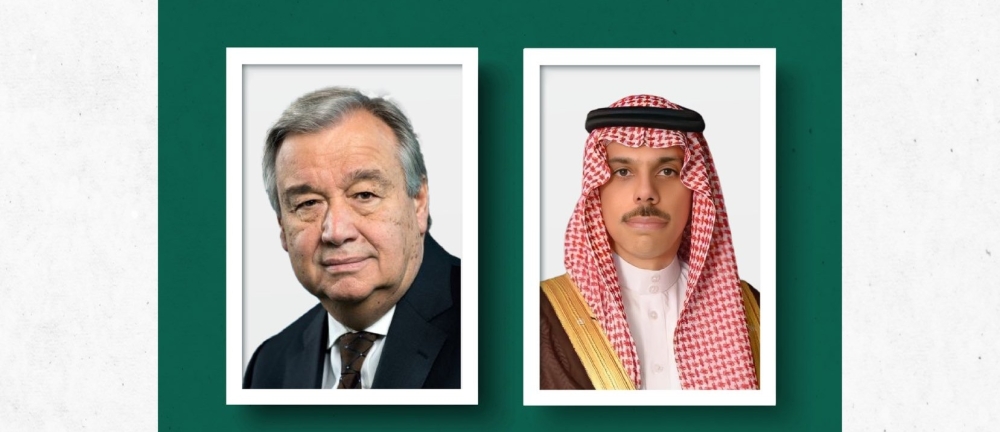
جدد الأمين العام للأمم المتحدة، أنطونيو غوتيريش، تأكيده على الموقف الراسخ للمنظمة الدولية، معرباً عن معارضته الشديدة والقاطعة لأي تصرفات أو سياسات تهدف إلى تقويض حل الدولتين للصراع الفلسطيني الإسرائيلي. وأشار غوتيريش بشكل خاص إلى الممارسات الإسرائيلية المستمرة في الأراضي الفلسطينية المحتلة، وعلى رأسها التوسع الاستيطاني، وعمليات هدم المنازل، والطرد القسري للسكان، بالإضافة إلى تصاعد عنف المستوطنين في الضفة الغربية، معتبراً إياها عقبات كبرى في طريق السلام.
وشدد الأمين العام على أن هذه الإجراءات الأحادية لا تقوض فقط إمكانية قيام دولة فلسطينية قابلة للحياة في المستقبل، بل تنتهك أيضاً القانون الدولي وقرارات مجلس الأمن ذات الصلة. ودعا إلى ضرورة الوقف الفوري لهذه الممارسات لخلق بيئة مواتية لاستئناف المفاوضات، مؤكداً أن الدولة الفلسطينية المستقبلية يجب أن تكون ذات سيادة ومتصلة جغرافياً، وتشمل قطاع غزة والضفة الغربية، وعاصمتها القدس الشرقية.
السياق التاريخي لحل الدولتين
يُعد “حل الدولتين” الإطار الذي تبناه المجتمع الدولي لعقود طويلة كأساس لتحقيق سلام دائم وعادل. وتعود جذور هذا المفهوم إلى قرار الجمعية العامة للأمم المتحدة رقم 181 لعام 1947، الذي أوصى بتقسيم فلسطين إلى دولتين، عربية ويهودية. وعلى الرغم من أن هذا القرار لم يُنفذ بالكامل، إلا أن فكرة وجود دولتين تعيشان جنباً إلى جنب بسلام وأمن ظلت هي الهدف المنشود في جميع مبادرات السلام اللاحقة، وأبرزها اتفاقيات أوسلو في التسعينيات، التي أرست أساساً للاعتراف المتبادل بين منظمة التحرير الفلسطينية وإسرائيل.
أهمية التصريحات في ظل التوترات الحالية
تكتسب تصريحات غوتيريش أهمية مضاعفة في ظل التصعيد الخطير الذي تشهده المنطقة، خاصة بعد الحرب على قطاع غزة والتوترات المتزايدة في الضفة الغربية. ففي الوقت الذي يرى فيه الكثيرون أن حل الدولتين أصبح بعيد المنال أكثر من أي وقت مضى، يأتي تأكيد الأمم المتحدة ليعيد الزخم إلى هذا الخيار كحل وحيد يضمن الأمن والاستقرار لكل من الفلسطينيين والإسرائيليين، ويمنع انزلاق المنطقة إلى دوامة عنف لا تنتهي. إن الفشل في تحقيق هذا الحل لا يهدد مستقبل الشعبين فحسب، بل يهدد أيضاً الاستقرار الإقليمي والدولي، ويزيد من خطر اتساع رقعة الصراع.
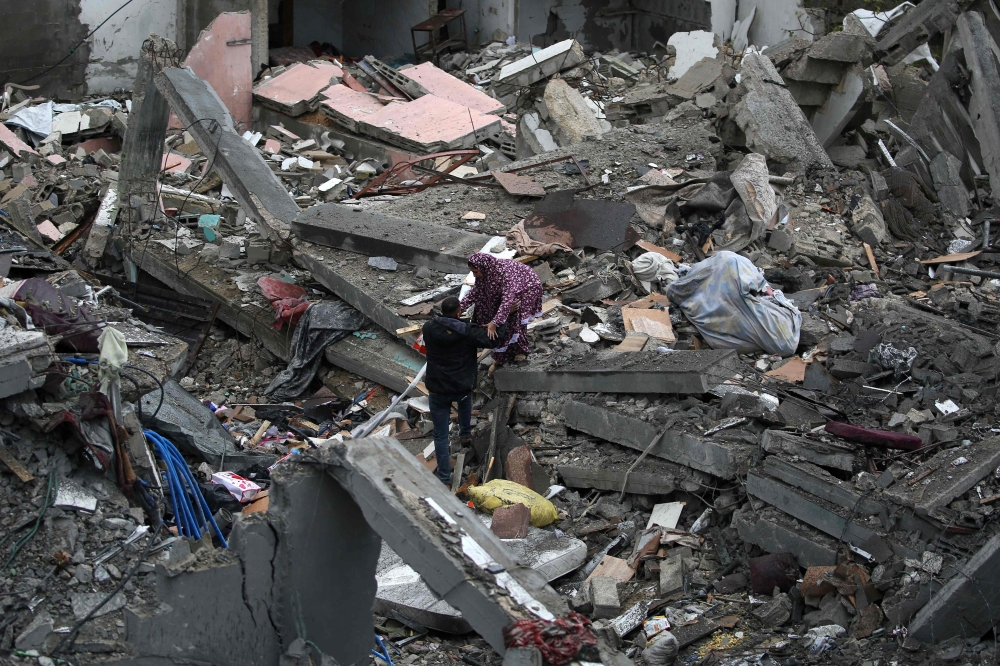
وفي إشارة إلى الأوضاع في غزة، أكد غوتيريش على أهمية تطبيق قرارات مجلس الأمن الداعية إلى وقف فوري لإطلاق النار، والانسحاب الكامل للقوات الإسرائيلية، وتسهيل وصول المساعدات الإنسانية دون عوائق، كخطوات أولى ضرورية لتمهيد الطريق نحو حل سياسي شامل. واختتم تحذيره بالتأكيد على أن سيادة القانون الدولي تتعرض للتآكل، وأن منطق القوة بدأ يطغى على قوة القانون، وهو ما يمثل تهديداً للنظام العالمي متعدد الأطراف الذي تأسست عليه الأمم المتحدة.