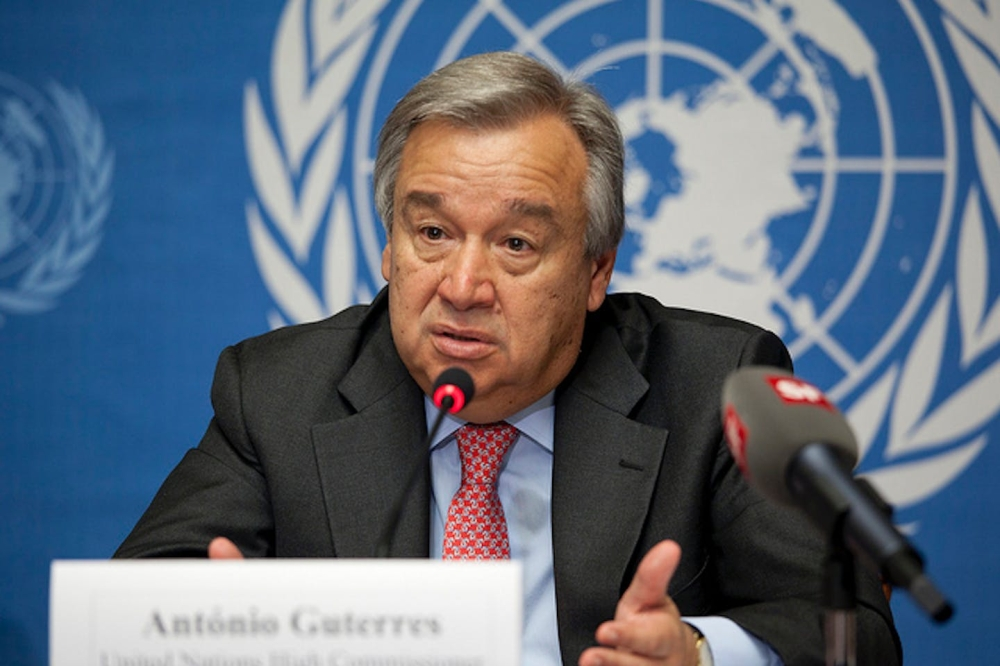
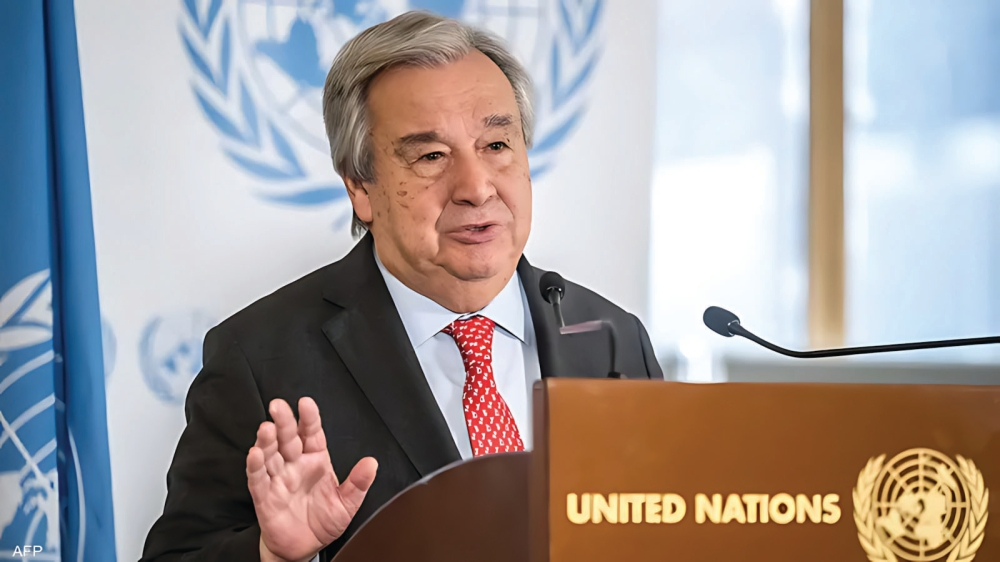
United Nations Secretary-General António Guterres expressed his deep regret over the White House announcement regarding the United States' decision to withdraw from several UN agencies and bodies, a move that has sparked widespread international concern about the future of multilateralism. This comes at a time when the world is facing unprecedented geopolitical and climate challenges that require international cooperation, not isolation.
Legal and financial obligations
In an official statement regarding the decision, UN Spokesperson Stéphane Dujarric emphasized the mandatory nature of member states' financial contributions. He said in a press release: "As we have always said and stressed, the assessed contributions to the UN's regular budget and peacekeeping budget—as approved by the General Assembly—are a legal obligation under the UN Charter for all member states, including the United States.".
It is worth noting that the United States is traditionally the largest financial contributor to the UN budget, covering a significant portion of peacekeeping and operational expenses. Any withdrawal or suspension of funding would not only affect administrative operations but would also impact humanitarian and relief efforts in conflict zones worldwide, presenting the international system with complex logistical and financial challenges.
Continuation of UN missions
Despite this decision, the official spokesperson affirmed that all United Nations agencies will continue to implement the mandates granted to them by the member states, noting that the organization bears a moral and legal responsibility that compels it to work for all the peoples who depend on it for food, medicine and security, stressing that it will continue to carry out its tasks with all determination and perseverance to ensure that the most vulnerable groups are not affected by these political tensions.
Warnings of economic and climate repercussions
In a related context, international reactions focused on the climate aspect, with the Executive Secretary of the United Nations Climate Agreement, Simon Steel, stressing that withdrawing from climate cooperation would directly harm the American economy before any other party.
Steele stated, "The United States played a pivotal and historic role in establishing the United Nations Framework Convention on Climate Change and the Paris Climate Agreement because these agreements are entirely in line with its strategic national interests." He explained that isolating itself from international efforts to combat global warming would not protect the American economy, but rather expose it to significant risks.
Cost of climate isolation
The UN official pointed out that the United States' withdrawal from cooperation in the field of climate action will harm its economy, labor market and living standards, as natural disasters such as forest fires, floods and massive storms that regularly hit US states are expected to worsen rapidly.
He stressed that this move would make the United States less safe and prosperous, and would inevitably lead to higher energy, food, and transportation costs, as well as an exorbitant increase in insurance costs for American households and businesses due to heightened environmental risks. The Secretariat of the Convention affirmed that the door remains open for Washington to return, as it did previously when it rejoined the Paris Agreement, because climate challenges do not recognize political boundaries and require a unified global response.