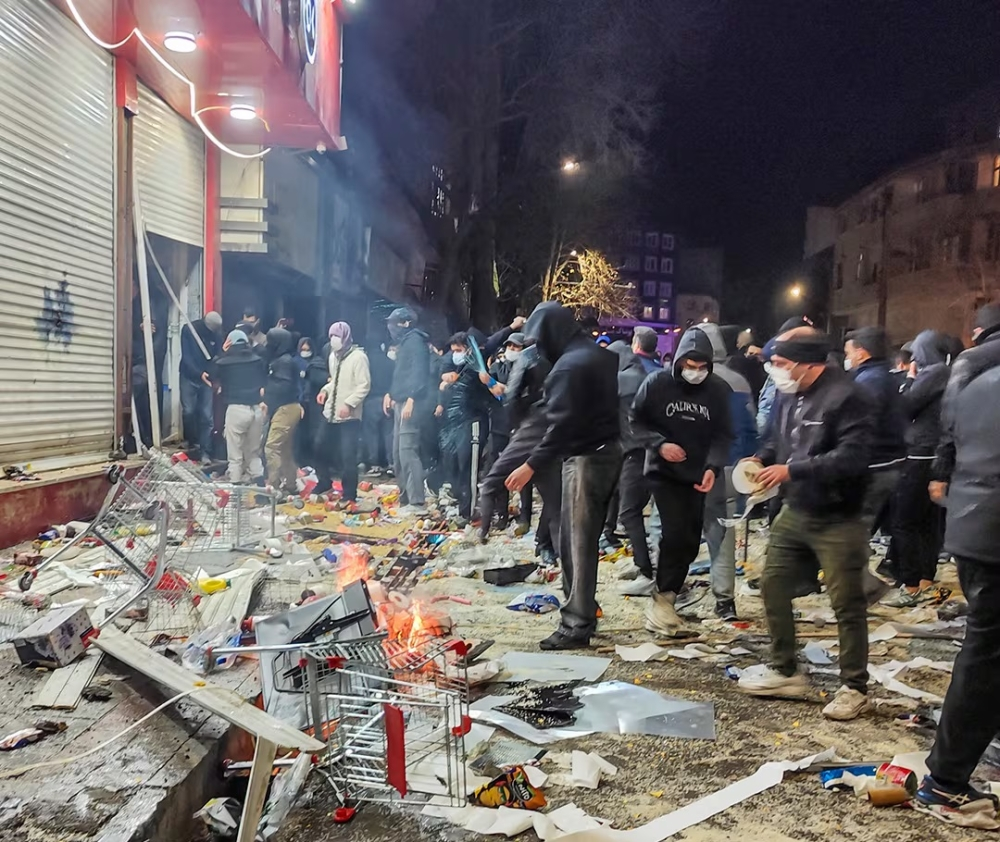
أعرب الأمين العام للأمم المتحدة، أنطونيو جوتيريش، عن صدمته العميقة إزاء التقارير الواردة التي توثق استخدام العنف المفرط وقمع المحتجين في إيران، موجهاً دعوة صريحة للسلطات الإيرانية بضرورة ممارسة أقصى درجات ضبط النفس. وتأتي هذه التصريحات في وقت تشهد فيه البلاد موجة من الاضطرابات والاحتجاجات الشعبية، وسط تعتيم إعلامي ورقمي فرضته السلطات.
وفي بيان رسمي صدر يوم الأحد، نقل المتحدث باسم الأمين العام، ستيفان دوجاريك، قلق جوتيريش البالغ حيال المعلومات التي تفيد بممارسة القوة المميتة وغير الضرورية ضد المتظاهرين السلميين. وشدد البيان على أهمية احترام حق الشعب في التعبير عن رأيه والتجمع السلمي، محذراً من مغبة التصعيد الأمني الذي قد يجر البلاد إلى مزيد من العنف وعدم الاستقرار.
انقطاع الإنترنت وتكتيكات الحجب
بالتوازي مع التصعيد الميداني، أفادت منظمة “نتبلوكس” (NetBlocks) غير الحكومية، المتخصصة في رصد الأمن السيبراني وحرية الإنترنت عالمياً، باستمرار انقطاع خدمة الإنترنت في إيران على نطاق واسع. وأكدت المنظمة عبر حسابها على منصة “إكس” أن البيانات الشبكية تظهر انقطاعاً شبه كامل للإنترنت على المستوى الوطني مستمراً لأكثر من 48 ساعة، بدءاً من يوم الخميس الماضي.
ويعتبر قطع الإنترنت تكتيكاً متكرراً تلجأ إليه السلطات الإيرانية خلال فترات الاضطرابات المدنية، بهدف منع المتظاهرين من تنظيم صفوفهم، والحد من تدفق المعلومات والصور ومقاطع الفيديو التي توثق الانتهاكات إلى العالم الخارجي، مما يصعب مهمة المنظمات الحقوقية والدولية في رصد حقيقة ما يجري على الأرض.
السياق العام والخلفية الاقتصادية
تأتي هذه الاحتجاجات امتداداً لسلسلة من التحركات الشعبية التي شهدتها إيران في السنوات الأخيرة، والتي غالباً ما تكون مدفوعة بتردي الأوضاع المعيشية والاقتصادية. يعاني الاقتصاد الإيراني من ضغوط هائلة نتيجة العقوبات الدولية المستمرة، وسوء الإدارة الداخلية، مما أدى إلى ارتفاع معدلات التضخم بشكل غير مسبوق، وانهيار قيمة العملة المحلية، وتآكل القدرة الشرائية للمواطنين.
ولم تعد الاحتجاجات في إيران تقتصر على المطالب السياسية فحسب، بل باتت تركز بشكل أساسي على الحقوق الاقتصادية والاجتماعية، حيث يخرج المواطنون في مختلف المحافظات للتنديد بالغلاء والبطالة والفساد، وهو ما يفسر اتساع رقعة الاحتجاجات لتشمل فئات اجتماعية متنوعة.
التداعيات الدولية والمحلية
يحمل بيان الأمين العام للأمم المتحدة دلالات سياسية هامة، حيث يضع طهران تحت ضغط دبلوماسي متزايد أمام المجتمع الدولي. إن استمرار نهج القمع الأمني قد يؤدي إلى مزيد من العزلة الدولية لإيران، وقد يدفع القوى الغربية إلى فرض عقوبات إضافية تتعلق بملف حقوق الإنسان.
على الصعيد المحلي، فإن استمرار تجاهل المطالب الشعبية والاعتماد على الحلول الأمنية فقط قد يؤدي إلى تعميق الفجوة بين النظام والشارع، مما ينذر باستمرار حالة الغليان الداخلي وعدم الاستقرار السياسي في المدى المنظور، خاصة مع غياب أفق لحلول اقتصادية جذرية للأزمات المتراكمة.