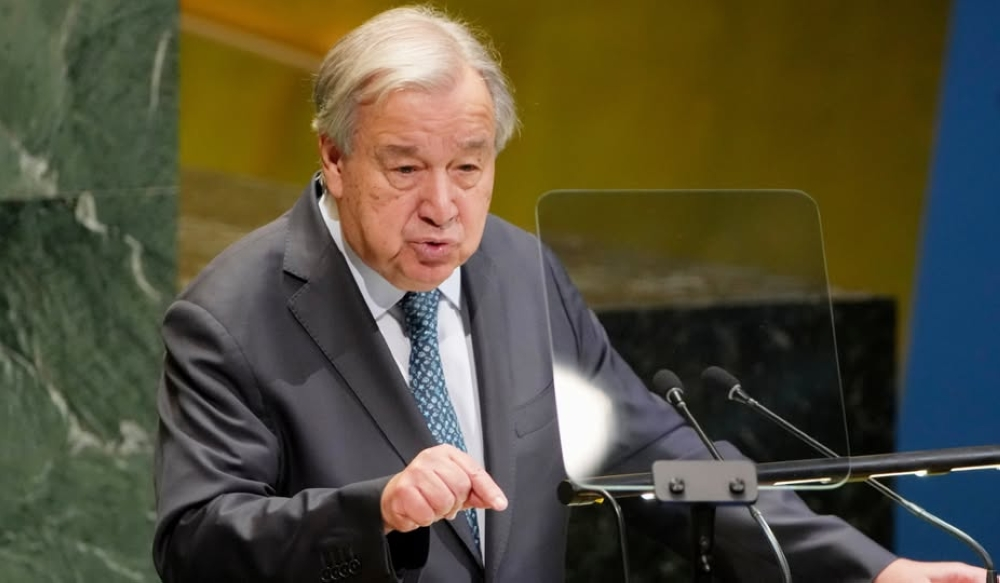
United Nations Secretary-General António Guterres reiterated his urgent appeal to the international community for immediate intervention to halt the war in the Middle East, emphasizing the importance of prioritizing diplomatic solutions to overcome the escalating crises. In his latest remarks, Guterres stressed that the current phase is extremely complex and necessitates adherence to international law as the fundamental framework for preventing the widening of the military escalation that threatens the security and stability of the entire region. These statements come amidst unprecedented tensions that require concerted international efforts to avert a comprehensive humanitarian and political catastrophe.
The importance of adhering to international legitimacy resolutions to preserve regional security
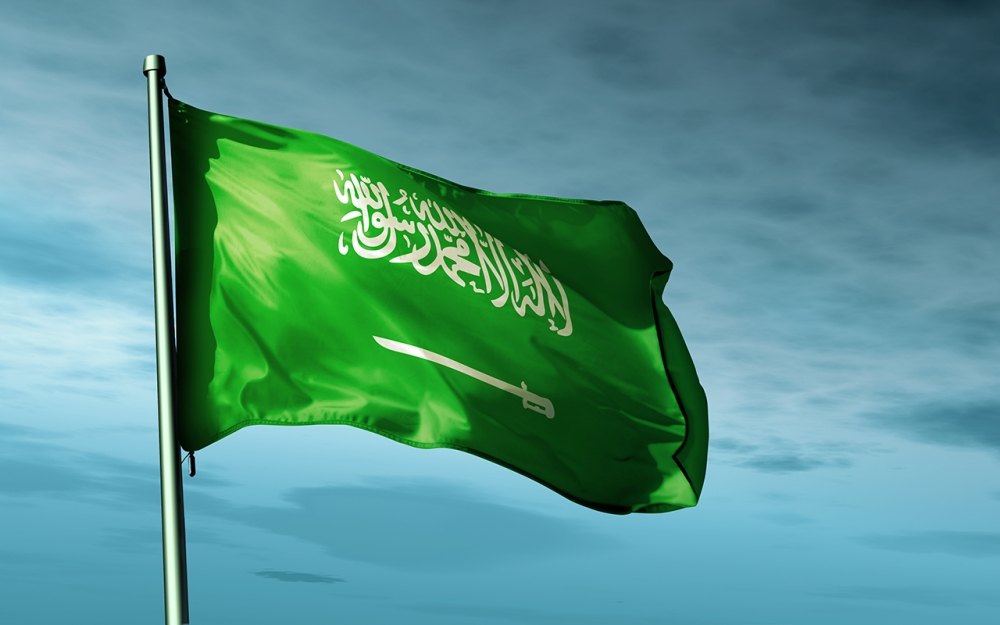
The Middle East has long been a hotbed of geopolitical tensions, where local conflicts have intertwined with complex international interests. Within this historical context, the importance of international institutions in attempting to regulate the political landscape and prevent a slide into full-blown wars is paramount. The UN statement emphasized the need for strict implementation of all relevant Security Council resolutions, highlighting the importance of respecting those resolutions that reaffirm the Council's unwavering support for the territorial integrity, national sovereignty, and independence of the Kingdom of Saudi Arabia, the United Arab Emirates, the Kingdom of Bahrain, the Sultanate of Oman, the State of Qatar, the State of Kuwait, and the Hashemite Kingdom of Jordan.
The UN position included a strong condemnation of any attacks or aggressions against the sovereign territories of these countries, particularly those targeting residential areas and civilian infrastructure, which constitute a flagrant violation of international humanitarian law. This emphasis on these principles reflects a deep understanding that any threat to the security of the Arabian Gulf and neighboring states is a red line that cannot be crossed without causing a serious disruption to the regional balance of power.
Geopolitical repercussions and the impact of escalation on global stability
The impact of the ongoing conflicts in the Middle East is not limited to the local or regional levels, but extends to the entire international arena. The region is a vital artery for the global economy, and any disruption to maritime shipping lanes or threats to energy supplies immediately affect global markets, leading to economic crises that impact both major and developing countries. Therefore, the UN warnings stem from a realistic assessment of the magnitude of the risks associated with the continued use of force.
On the humanitarian front, the continuation of military operations and the disregard for international law are exacerbating the suffering of civilians and increasing waves of displacement and refuge, placing immense pressure on aid agencies and host countries. Stability in the Middle East is not merely a regional interest, but a strategic imperative for international peace and security, which explains the intensive diplomatic efforts to contain the crisis before it spirals out of control.
The diplomatic path as the only strategic option
In conclusion, the diplomatic track remains the only viable and sustainable strategic option for resolving complex conflicts. Guterres' call for a return to the negotiating table and respect for international conventions provides a clear roadmap for de-escalating the crisis. This path requires genuine political will from all actors, a serious commitment to a ceasefire, and the initiation of a comprehensive dialogue that addresses the root causes of the conflict and guarantees the rights of all peoples to live in peace and security within internationally recognized borders.