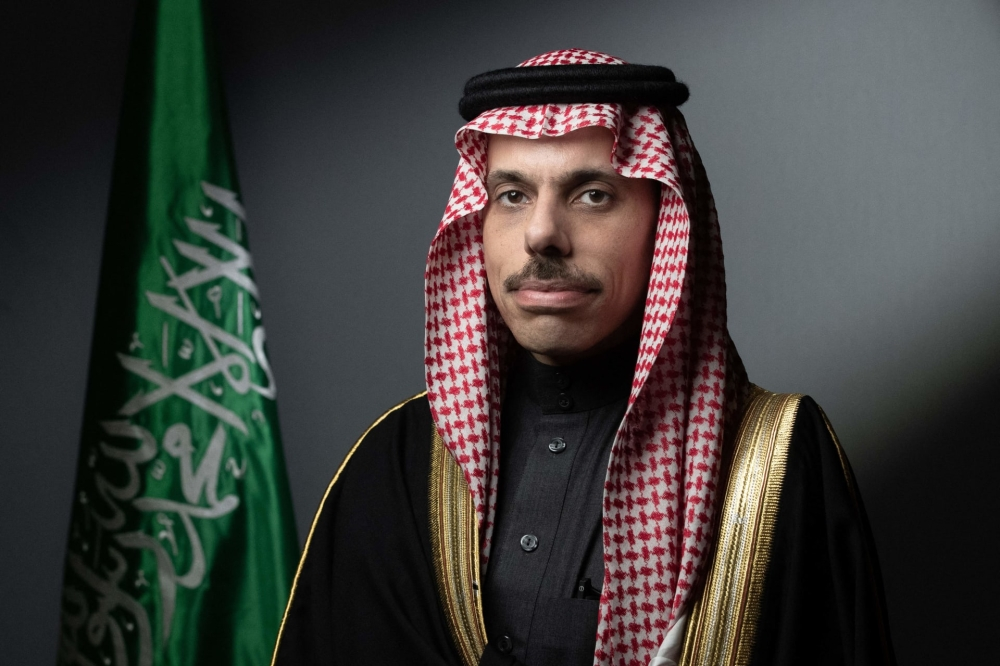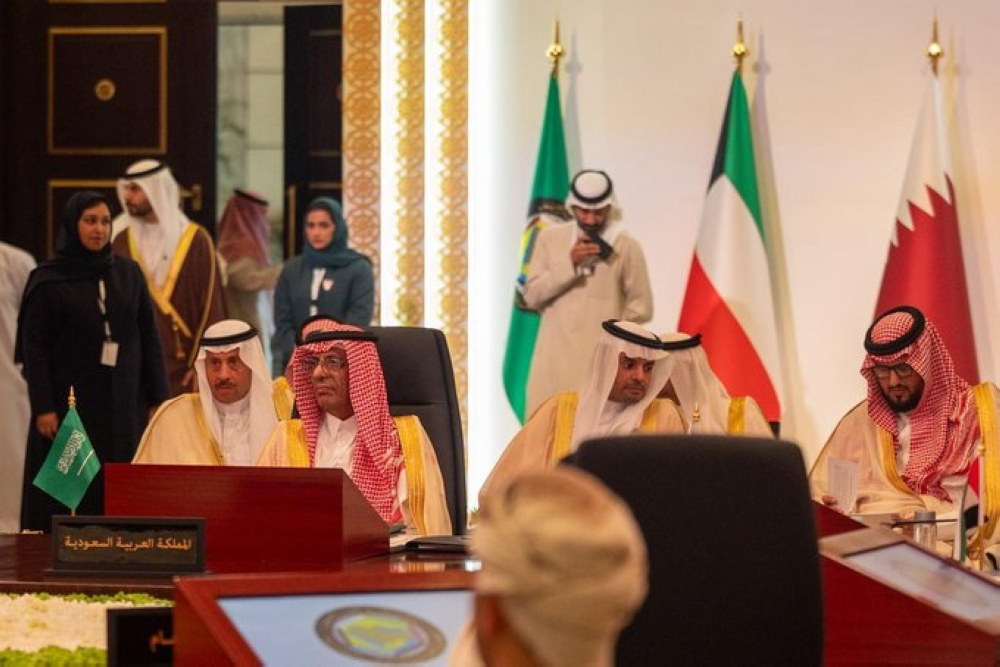
في خطوة محورية تمهيداً لانعقاد الدورة السادسة والأربعين للمجلس الأعلى لمجلس التعاون لدول الخليج العربية، استضافت العاصمة البحرينية المنامة اجتماع الدورة (166) للمجلس الوزاري التحضيري. وقد شاركت المملكة العربية السعودية بوفد رفيع المستوى، حيث مثّلها وكيل وزارة الخارجية للشؤون الدولية المتعددة، الدكتور عبدالرحمن الرسي، نيابةً عن صاحب السمو الأمير فيصل بن فرحان بن عبدالله وزير الخارجية.
استعراض مسيرة العمل الخليجي المشترك
شكل الاجتماع منصة هامة لتقييم ومراجعة مسيرة العمل الخليجي المشترك، حيث ناقش المشاركون سبل تعزيز آليات التعاون وتطويرها في مختلف المجالات السياسية والاقتصادية والأمنية. وتركزت المباحثات حول متابعة تنفيذ القرارات التي صدرت عن القمة السابقة (45)، وضمان استمرارية التقدم في الملفات الحيوية التي تخدم مصالح شعوب المنطقة. كما تم استعراض آخر التطورات على الساحتين الإقليمية والدولية، وتنسيق المواقف حيال القضايا ذات الاهتمام المشترك، بما يعزز من الدور الفاعل للمجلس ككتلة مؤثرة في محيطه الإقليمي والدولي.
خلفية تاريخية وأهمية استراتيجية لمجلس التعاون
تأسس مجلس التعاون لدول الخليج العربية في عام 1981، وهو منظمة إقليمية تضم ست دول هي: المملكة العربية السعودية، الإمارات العربية المتحدة، مملكة البحرين، سلطنة عُمان، دولة قطر، ودولة الكويت. ويهدف المجلس منذ نشأته إلى تحقيق التنسيق والتكامل والترابط بين الدول الأعضاء في جميع الميادين وصولاً إلى وحدتها. وتأتي القمم الخليجية السنوية كأعلى سلطة في هيكل المجلس، حيث يرسم قادة الدول الأعضاء من خلالها السياسات العليا ويضعون الخطط المستقبلية لتعميق التعاون وتحقيق تطلعات مواطنيهم في الأمن والازدهار.
تأثير متوقع للقمة 46 على مستقبل المنطقة
تكتسب القمة الخليجية الـ(46) أهمية خاصة في ظل التحديات الجيوسياسية والاقتصادية التي يمر بها العالم. ومن المتوقع أن تركز أجندتها على ملفات رئيسية تشمل تعزيز التكامل الاقتصادي، واستكمال متطلبات السوق الخليجية المشتركة والاتحاد الجمركي، بالإضافة إلى دفع عجلة التحول الرقمي والطاقة المتجددة بما يتماشى مع الرؤى التنموية الوطنية للدول الأعضاء. على الصعيد الأمني والسياسي، ستكون القمة فرصة لتوحيد الرؤى لمواجهة التحديات الأمنية المشتركة، ودعم الاستقرار الإقليمي، وتعزيز الشراكات الاستراتيجية مع القوى الدولية. إن القرارات التي ستصدر عن قادة دول المجلس في المنامة سيكون لها تأثير مباشر ليس فقط على مستقبل دول الخليج، بل على خريطة التوازنات السياسية والاقتصادية في منطقة الشرق الأوسط بأكملها.
وقد حضر الاجتماع التحضيري من الجانب السعودي سفير خادم الحرمين الشريفين لدى مملكة البحرين، الأستاذ نايف السديري، ومدير عام مكتب وكيل الوزارة للشؤون الدولية المتعددة، الأستاذ محمد الشهري، ومدير إدارة مجلس التعاون، الأستاذ فيصل بن سعيد.