The aviation sector in the Gulf region and globally has experienced unprecedented disruption following the military escalation between the United States and Iran, including missile and drone attacks. These rapidly evolving security developments forced several Gulf states to take immediate measures, including urgently closing or restricting their airspace, paralyzing air traffic and affecting hundreds of thousands of passengers worldwide.
In terms of the measures taken on the ground, the United Arab Emirates partially and temporarily closed its airspace, resulting in the suspension of all flights at Dubai International Airport and Al Maktoum International Airport, in addition to flight delays and cancellations at Zayed International Airport in Abu Dhabi. This coincided with a near-complete halt to flights at Hamad International Airport in Doha and the main airports in Kuwait and Bahrain, where aviation authorities suspended air operations pending the stabilization of the situation and the reopening of civilian airspace.
In a related development, Saudi Arabian Airlines announced the suspension of its flights to and from several regional and international destinations, including Muscat, Kuwait, Abu Dhabi, Dubai, Doha, and Bahrain, as well as Moscow and Peshawar. The Saudi national carrier clarified that the cancellations are in effect until 23:59 GMT on March 2nd, citing the ongoing situation and urging passengers to check their flight status through official channels before heading to the airports.
Internationally, the crisis's effects extended to major global airlines, which were forced to adjust their operational plans. Airlines such as Air France, Lufthansa, Turkish Airlines, Virgin Atlantic, British Airways, and Air India, along with Asian and North American carriers, decided to suspend or reroute flights through the region to avoid the tense atmosphere, responding to warnings from the European Aviation Safety Agency (EASA) to avoid airspace affected by military activity.
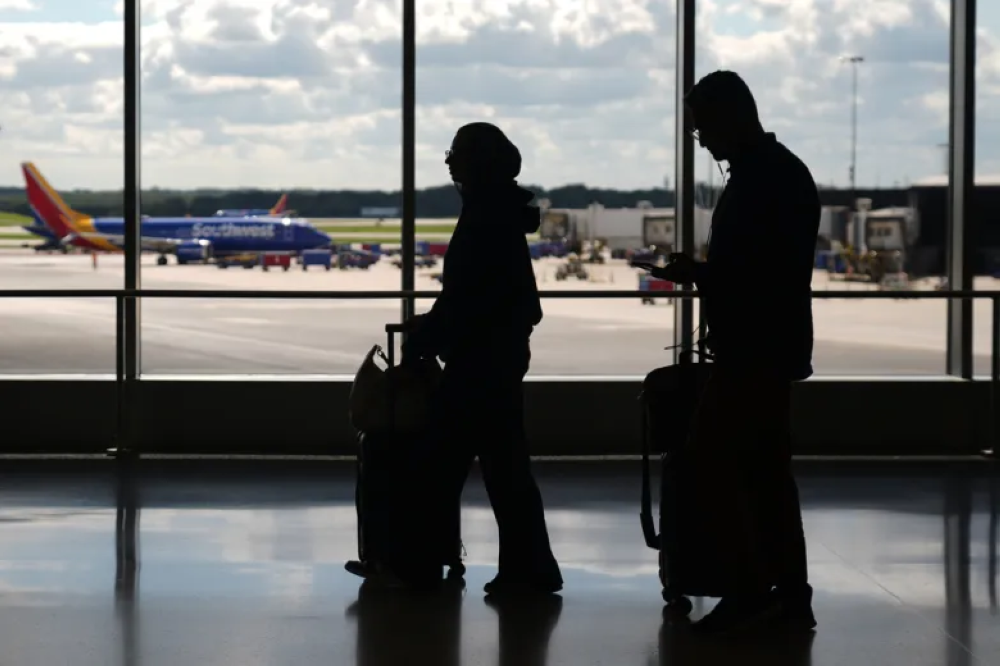
This sudden halt in operations left hundreds of thousands of travelers stranded, with major transit hubs in Dubai, Abu Dhabi, and Doha transformed into open-air waiting areas after flights could not be completed. Passengers at international airports as far away as Paris, Brisbane, and Dublin also faced abrupt changes to their itineraries and long waits to find alternative routes. Economically, analysts warned that continued airspace closures or disruptions could lead to higher ticket prices and increased fuel costs, as well as placing significant pressure on alternative air routes through Saudi Arabia and Egypt.