Psychological and social experts have confirmed that protecting the Gulf child in the current era is no longer a luxury, but an urgent necessity based on building a solid legislative and educational framework that intelligently balances the investment in digital technology with the preservation of national identity and healthy physical activity.
These assurances coincided with the celebration of Gulf Child Day 2026, an occasion that the Gulf Cooperation Council (GCC) countries celebrate annually on January 15, with the aim of highlighting children’s rights to health, education and recreation, and promoting a shared Gulf identity among the younger generations.
Saudi Protection and Legislation System
In its commitment to children's rights, the Kingdom of Saudi Arabia has successfully developed a comprehensive legislative framework that serves as a regional model. This framework includes robust protection laws against abuse, a child protection system, and juvenile care provisions, all designed to safeguard the rights of future generations and provide a safe and stable environment that ensures their healthy development, free from any threats.
Psychological balance and the challenges of the digital world
For his part, Faisal Al-Ajyan, a psychologist and executive director of the Friends of Mental Health that maintaining children’s psychological balance requires a firm and conscious regulation of their relationship with the rapidly evolving digital world.
Faisal Al-Ajyan
Al-Ajyan considered that mere prohibition is not a solution, but rather that providing attractive and enjoyable physical alternatives is a fundamental pillar of mental health, stressing that health and educational rights are the starting point for building a generation aware of its future responsibilities and capable of positive interaction with its surroundings.
The psychologist warned of the dangers of screen addiction, which now threatens millions of children around the world, explaining that improving the quality of life begins with a deep awareness of the negative effects of cyberspace on social behavior, and what it may cause in terms of isolation and detachment from reality.
Al-Ajyan emphasized the need to provide a range of preventative measures that ensure the holistic development of the child, protecting them from the isolation and challenges of the virtual world. He explained that modern Saudi laws and regulations reflect the leadership's commitment to providing comprehensive care and protecting children from neglect, thereby enhancing their dignity and preserving their national and Gulf identity.
Social responsibility and identity promotion
In a related context, social expert Jaafar Al-Eid stressed that responsibility towards the child is a major solidarity task shared by the family with educational and social institutions to instill values of vitality and activity.
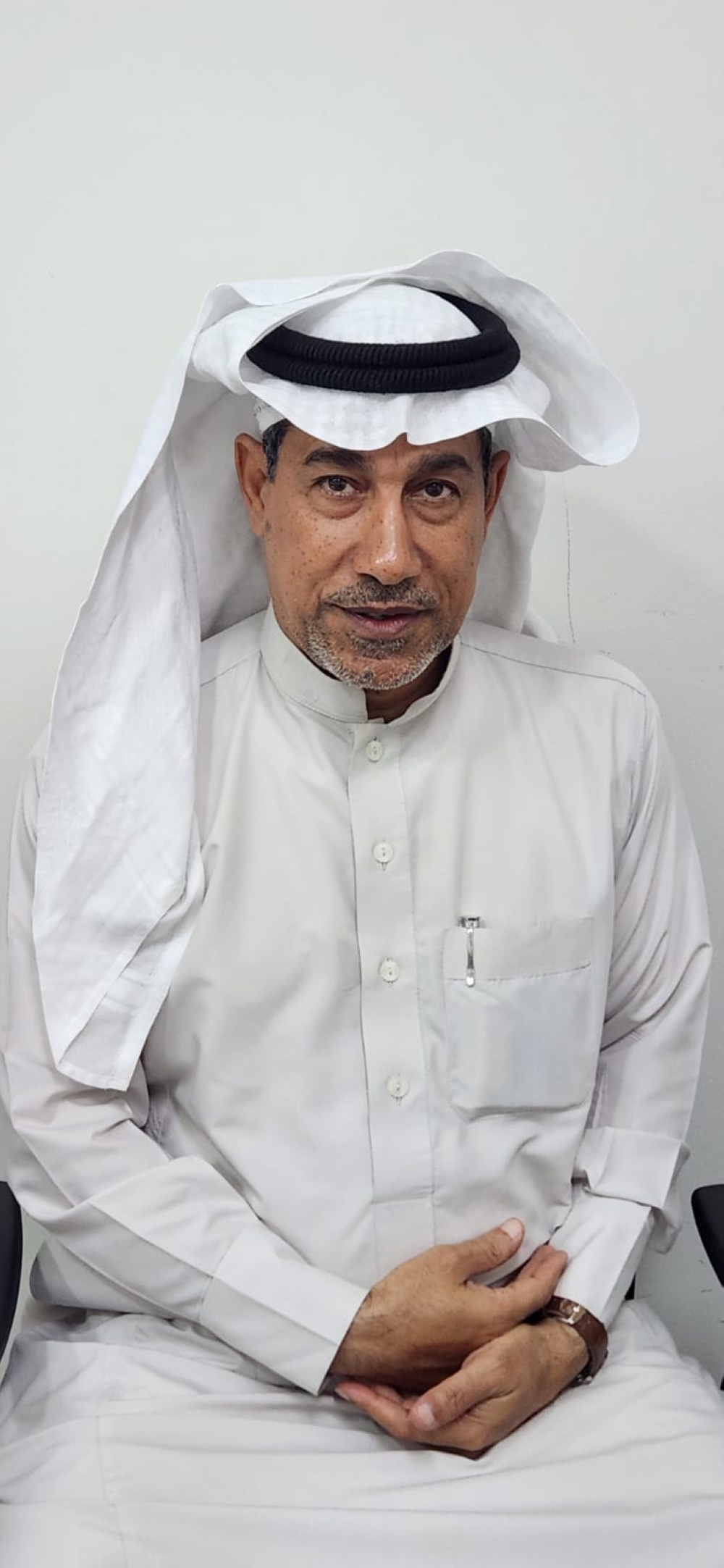
Jaafar Al-Eid
Al-Eid called for the need to correct misconceptions about the consumption of digital content, while providing a roadmap that balances inevitable technological development with preserving close family ties that form the child’s first stronghold.
Al-Eid highlighted the importance of raising awareness about physical activity as a vital alternative to confronting modern diseases related to digital inactivity and obesity, considering the occasion a crucial opportunity to review existing educational methods and develop them in line with the challenges of the times.
The importance of the event and its regional impact
Experts pointed out that celebrating Gulf Children's Day primarily aims to solidify the values of unity and solidarity among the children of the Gulf Cooperation Council (GCC) countries and deepen their sense of shared belonging. This day serves as a reminder that the children of the Gulf are the wealth of the future, and that investing in their sound upbringing is an investment in the stability and prosperity of the region.
These integrated efforts, both legislative and educational, seek to build a generation that possesses high physical fitness and strong psychological stability, enabling it to face the challenges of the future while preserving the authentic national achievements and distinctive cultural identity of the Gulf countries.