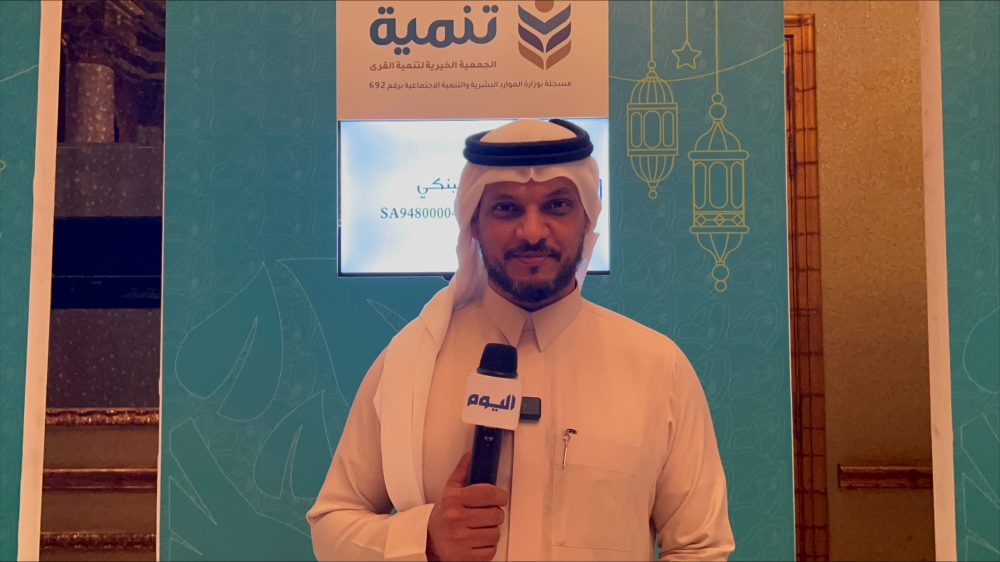
With the arrival of the holy month of Ramadan, attention turns not only to worship and spirituality, but also to family dynamics, which are directly affected by the atmosphere of this blessed month. In this context, family counselor Dr. Emad Al-Farsi emphasizes that Ramadan represents a golden opportunity to restructure family relationships, resolve disputes, and promote the values of tolerance and forgiveness, transforming potential challenges into a bridge to strengthen bonds.
Ramadan: Between Spirituality and the Challenges of Daily Life
Ramadan is an exceptional period in the lives of Muslims, as fasting necessitates a radical change in daily routines, from sleep and wake times to eating patterns. These physiological and psychological changes, such as lower blood sugar levels and feelings of fatigue, can place additional stress on individuals, making them more prone to tension or impatience. Therefore, it is important to be aware of these challenges and deal with them wisely to ensure a calm and stable family atmosphere.
Self-control and understanding: the cornerstone
Dr. Al-Farsi emphasizes that the essential advice he offers to the community during this month is to strive for reconciliation and overcome daily problems between spouses. He explains that fasting can impose psychological and physical pressures on individuals and families, requiring greater self-control, calmness, and understanding in interactions, especially within the family. He adds that Islam encourages controlling anger, citing the Prophet Muhammad's saying: "The strong person is not the one who overpowers others, but the strong person is the one who controls himself when angry." He calls for adopting simple yet effective methods to manage emotions, such as seeking refuge from Satan, counting calmly, taking a deep breath, or even temporarily leaving the situation until tempers cool.
Recognizing roles and strengthening partnerships
In discussing marital relationships, Al-Farsi emphasized the importance of husbands being considerate of their wives' circumstances, especially during the pre-dawn meal period when they are under pressure from kitchen work and daily preparations. He pointed out that kind words, moral support, and simple appreciation for her efforts have a significant impact on reducing tension and creating a positive family atmosphere. Al-Farsi also touched upon what is known in sociology as "role theory," explaining that many family problems can be avoided if each member fulfills their essential role within the family consciously and responsibly. A husband fulfilling his role and responsibilities to a high degree, as well as a wife adhering to her role and duties, directly contributes to reducing conflicts and achieving family balance.
The impact of family stability on society
The importance of these guidelines extends beyond the immediate family sphere, positively impacting the entire community. The family is the fundamental unit of society, and its stability directly contributes to the stability and cohesion of society as a whole. When values of understanding and tolerance prevail within homes, it contributes to building a more aware generation capable of positive communication, thus reducing negative social phenomena. Al-Farsi concluded by emphasizing the necessity of utilizing Ramadan as a time for reflection, strengthening bonds, and building more conscious and stable family relationships, so that the benefits of this month may extend throughout the year.