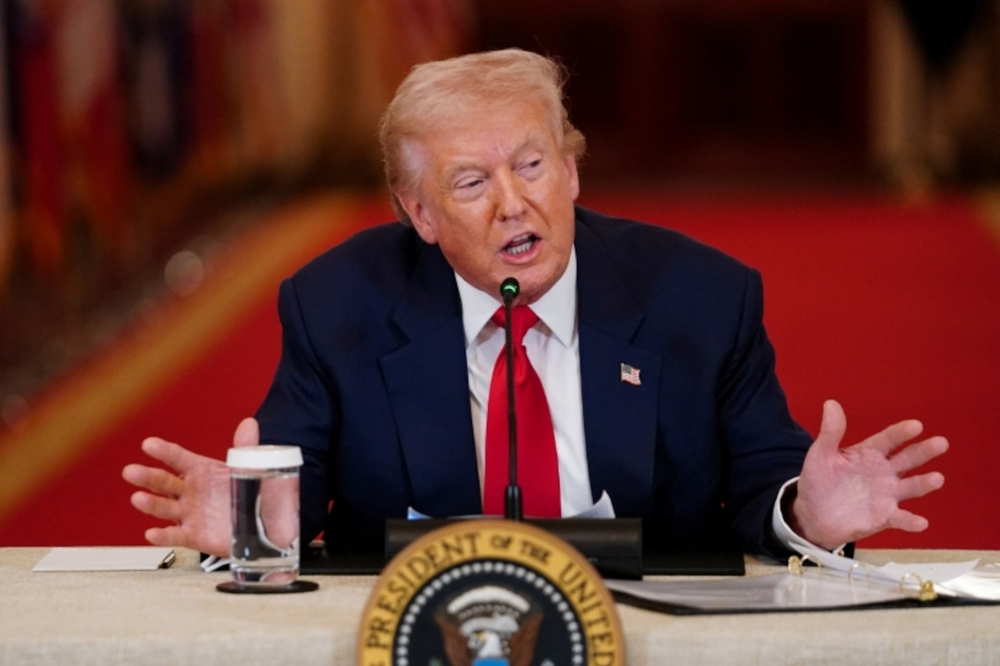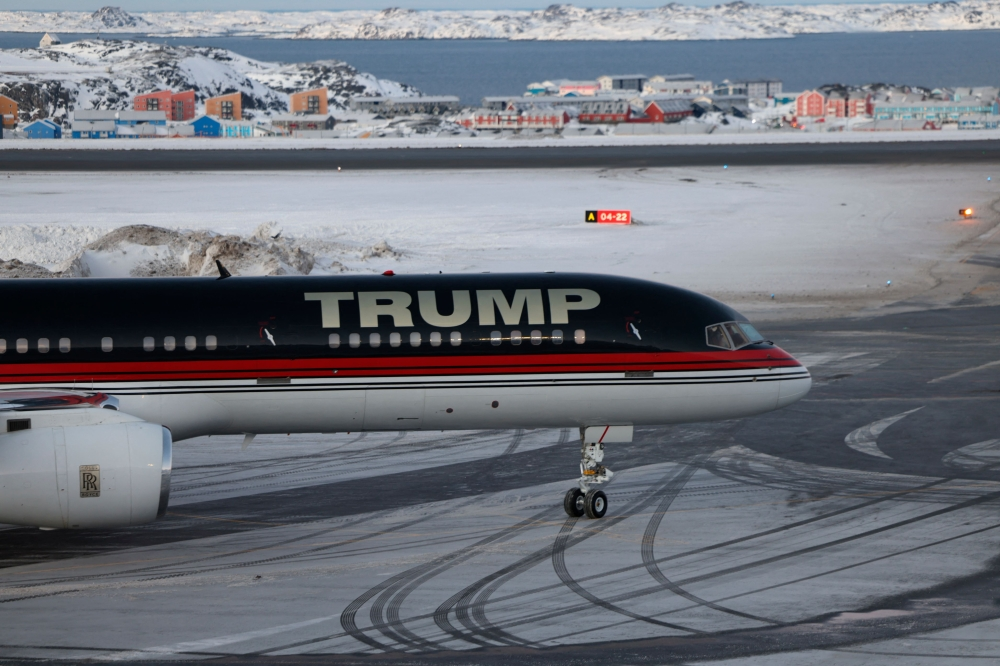
In a significant development in the escalating diplomatic crisis in the Arctic, Greenland categorically rejected any attempts to impose a trusteeship on the island, whether by the United States or any other country. This firm stance came in response to controversial statements by US President Donald Trump , who raised the possibility of annexing the self-governing Danish territory, outlining various options to safeguard US interests in the region.
A unified message: We are Greenlandic
In a joint statement released late Friday, the leaders of the five parties represented in the local parliament reaffirmed the island's independent identity. The statement read: "We do not want to be Americans, we do not want to be Danes, we want to be Greenlanders." The leaders emphasized the right to self-determination, asserting that the island's future must be determined solely by its people, free from any external pressure or hasty decisions dictated by the interests of other nations.
Strategic importance and historical background
American interest in Greenland is not new; the world's largest island occupies a vital strategic location between North America and Europe, and serves as a gateway to the Arctic. The island already hosts Thule Air Force Base, the northernmost US military base, which has played a pivotal role since World War II and throughout the Cold War as an early warning and surveillance point.
Trump’s remarks come in a historical context that recalls previous attempts, as the United States offered to buy the island in 1946 during the era of President Harry Truman, due to its geopolitical importance, which Denmark rejected at the time.
Arctic resource conflict
Beyond its military importance, Greenland is gaining increasing economic significance, attracting the attention of major powers. The island is rich in untapped natural resources, including vast reserves of rare earth minerals essential for modern technology industries, as well as estimated significant oil and gas deposits. With the melting ice sheet due to climate change, these resources are becoming more accessible, fueling international competition.
Concerns about Russian and Chinese influence
The US president justified his hardline stance by citing the need to protect American national security, pointing to the increasing military activity of both Russia and China in the Arctic Circle. Trump stated, "We cannot allow Russia or China to occupy Greenland. That is what they will do if we don't." Washington fears that Chinese investment in the island's infrastructure or Russian military expansion could threaten American dominance in the North Atlantic.
For their part, European capitals and Denmark expressed deep concern about this tone, as diplomatic efforts intensified to formulate a coordinated response that affirms respect for sovereignty and international law, amid fears that the peaceful region could turn into a new arena for power struggles.