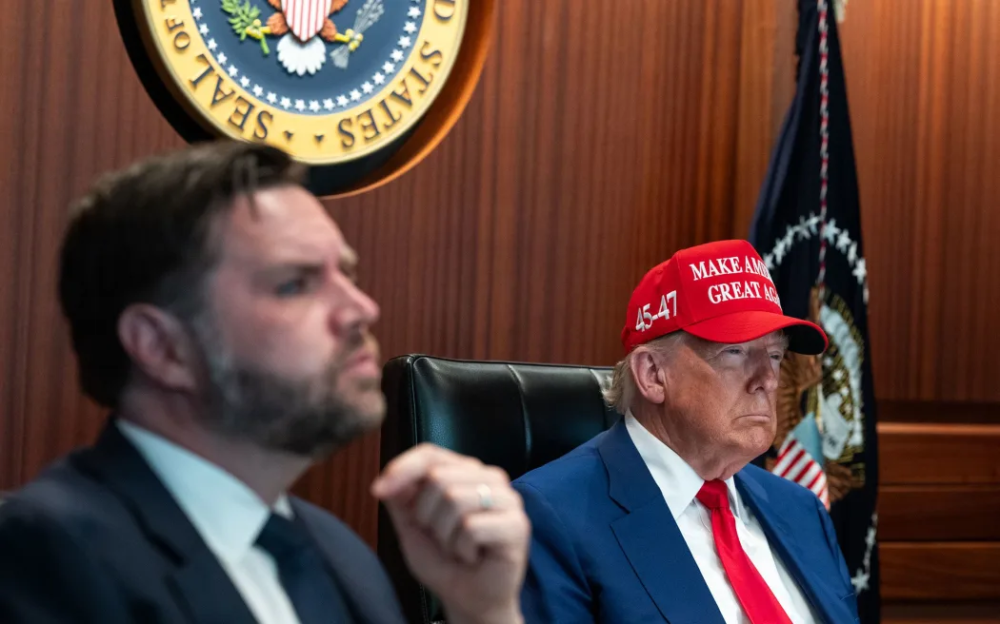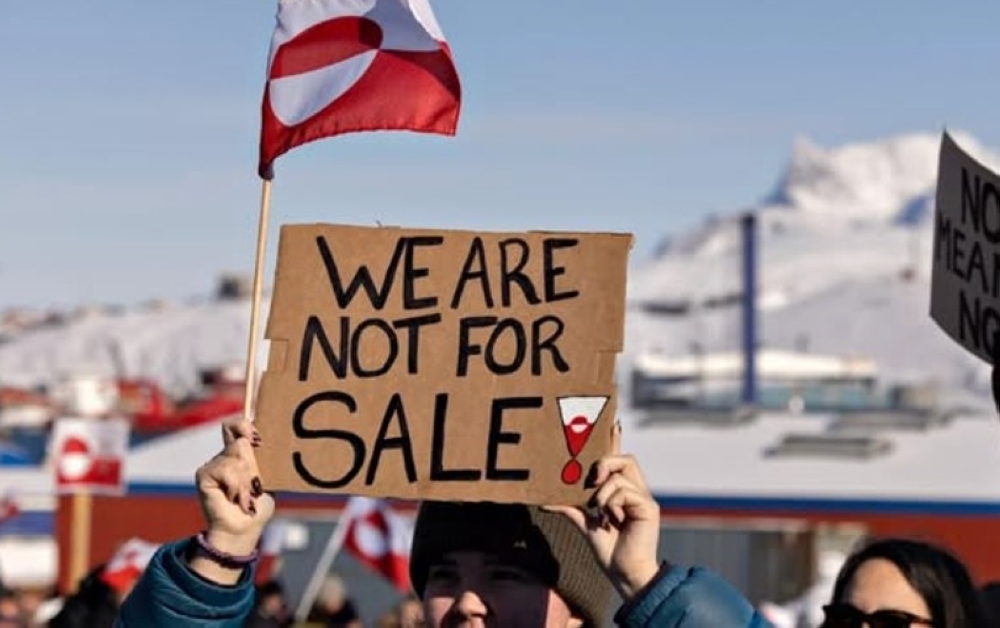
News of former US President Donald Trump's interest in buying Greenland has drawn firm reactions from officials in both the island and Denmark. Greenland's Deputy Prime Minister, Mjötti Egede, categorically stated that the island is not for sale. Reflecting a strong sense of national sovereignty, Egede said: “Whatever pressure is exerted by others, our country will not be abandoned, and our future will not be subject to bidding. It is unacceptable to try to give our country away to others. This is our country, and we are the ones who determine its future.”.
Historical background of American interest
The idea of the United States purchasing Greenland was not new; its roots extend back to the post-World War II period. In 1946, US President Harry Truman offered Denmark $100 million to buy the island, recognizing its strategic importance at the outset of the Cold War, but Denmark rejected the offer. The core of this strategic importance lies in Greenland's unique geographic location, situated between the Atlantic and Arctic Oceans, making it a vital observation and control point for Arctic sea and air routes. The island also hosts Thule Air Base, the northernmost US military base, which has played a pivotal role in the US and NATO missile early warning and defense system since its establishment in 1951 under a mutual defense agreement with Denmark.
Renewed geopolitical and economic importance
In the 21st century, Greenland has acquired an added importance that transcends its traditional military dimension. Climate change and the melting of Arctic ice have opened new shipping lanes, such as the Northwest Passage, shortening distances between Asia, Europe, and North America. Furthermore, the receding ice has revealed vast natural resources believed to lie beneath Greenland, including oil, natural gas, and rare earth minerals such as uranium and zinc—elements vital to advanced technology industries. This new reality has placed Greenland at the heart of escalating geopolitical competition in the Arctic, not only by the United States but also by other global powers like Russia and China, both seeking to expand their influence in the region.
Diplomatic influence and the future
Trump’s renewed interest in buying the island led to a brief diplomatic row between the United States and Denmark, with Danish Prime Minister Mette Frederiksen dismissing the idea as “a ludicrous discussion.” Although Greenland is a self-governing territory within the Kingdom of Denmark, Copenhagen remains responsible for its foreign and defense affairs. The firm rejection by politicians in both Greenland and Denmark underscores that the island’s future is determined by its inhabitants, who aspire to greater autonomy and sovereignty over their resources, not to be merely a strategic piece of land in an international real estate deal.