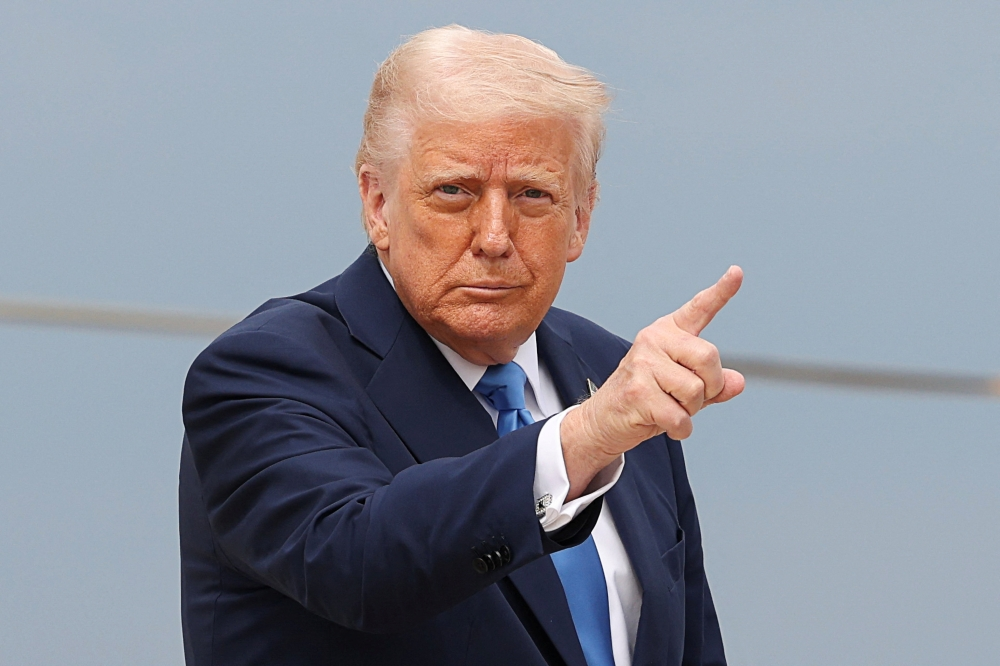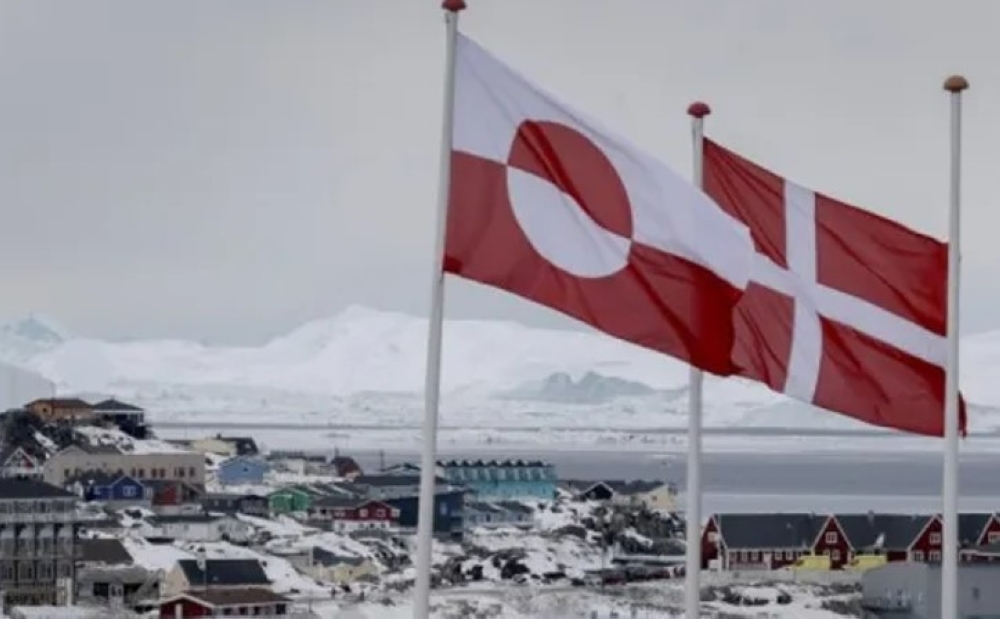
In a firm stance and a notable diplomatic escalation, the Greenland government announced its categorical rejection of any US attempts to seize its vast territory, asserting that the island is not for sale and that its sovereignty is non-negotiable. This official declaration, issued on Monday in response to statements by US President Donald Trump, emphasized that the government will intensify its efforts to ensure its security and defense within the framework of NATO, relying on broad international support.
The government said in a strongly worded official statement that "the United States has repeatedly sought to seize Greenland, and the Greenlandic government coalition cannot accept this in any way," noting that the island's identity and future are determined solely by its people.
European support in the face of American ambition
Greenland was not alone in this diplomatic standoff; last week, a unified European position emerged in support of the island and Denmark. Six major European countries—France, Germany, Italy, Poland, Spain, and the United Kingdom—issued a joint statement declaring their full support for Greenland in the face of pressure from US President Donald Trump.
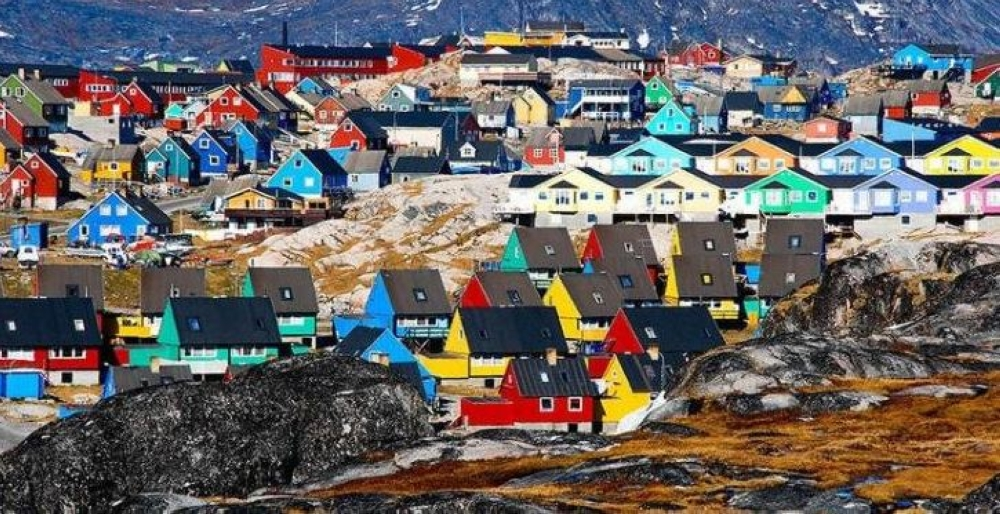
The government added in its statement that “in light of the very positive attitude expressed by the six NATO member states towards Greenland, the government will intensify its efforts to include the defense of Greenland more deeply within the NATO framework,” reflecting the island’s desire to strengthen its traditional alliances rather than submit to bilateral deals that could compromise its sovereignty.
Strategic importance: Why does Trump want Greenland?
American interest in Greenland is not a recent development or a mere real estate deal; it stems from deep strategic and geopolitical considerations. Greenland is the world's largest island, strategically located between the Arctic and Atlantic Oceans. With the accelerating melting of Arctic ice, the island's importance is growing due to its vast untapped natural resources, including rare earth minerals essential for modern technology industries, oil, and gas. Furthermore, the potential for opening new shipping lanes could reshape global trade and challenge traditional routes.
Historical background of American ambitions
It is worth noting that this is not the first time Washington has expressed interest in controlling the island. In 1946, US President Harry Truman offered Denmark $100 million in gold in exchange for the island, given its military importance in the face of the Soviet Union at the time, but the offer was rejected. Despite this, the United States maintains a significant military presence there through Thule Air Base in the far north, which is a key component of the US missile early warning and space surveillance system.
The future of relations within NATO
The government of Jens-Frederik Nielsen emphasized that Greenland has a "permanent intention to be part of the Western defense alliance." Greenland enjoys broad self-governance within the Kingdom of Denmark, managing its internal affairs while foreign and defense policy remains shared with Copenhagen.
In contrast, US President Donald Trump asserted on Sunday that the United States would annex Greenland "one way or another," and had previously acknowledged that he might have to choose between maintaining NATO unity and controlling Greenland, which puts transatlantic relations to a new and sensitive test amid escalating international competition in the Arctic region.