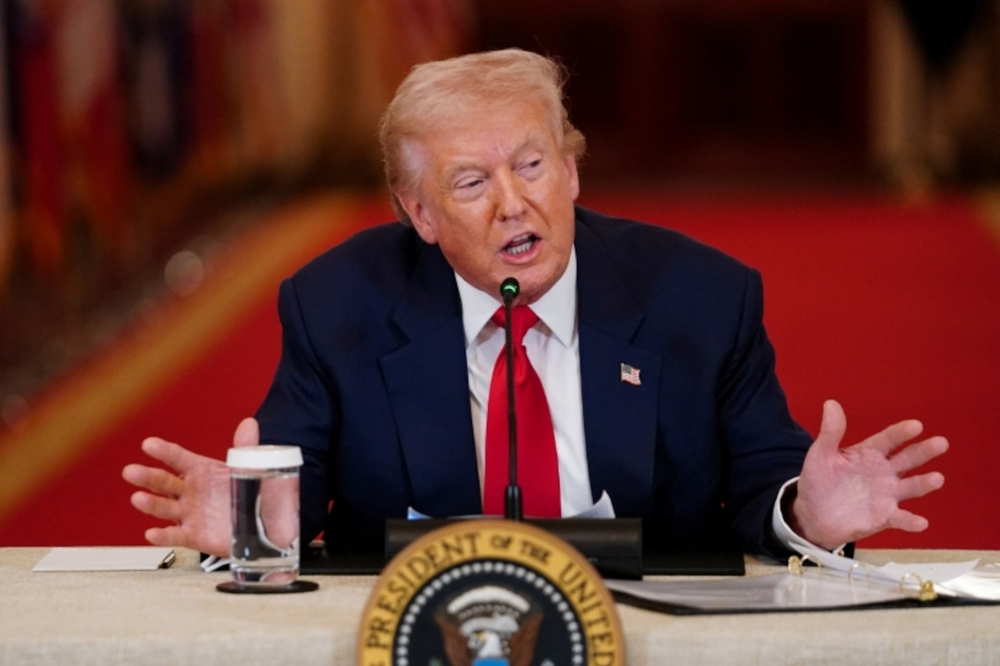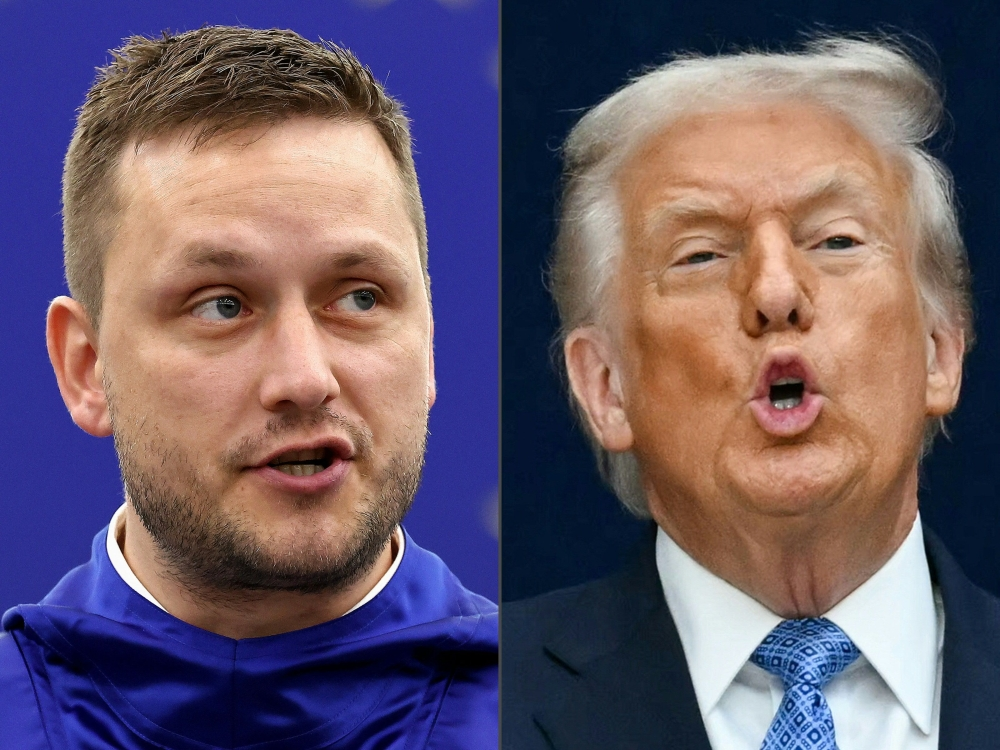
In a significant development in transatlantic relations, Greenland's Foreign Minister, Viviane Motseveldt, announced on Tuesday a joint diplomatic initiative with the Danish government to counter recent statements by US President Donald Trump regarding his desire to annex the Arctic island. The two governments have requested an urgent meeting with US Secretary of State Marco Rubio to discuss these developments, which are causing increasing concern in Copenhagen and Nuuk.
Details of the diplomatic move
Motzfeldt explained on her official Facebook page that the main objective of the meeting was to discuss the “important and serious statements” made by the American side. The minister pointed to a state of diplomatic stalemate, stating that “to date, US Secretary of State Marco Rubio has not met with the Greenlandic government, despite repeated requests from the governments of Greenland and Denmark for a meeting at the foreign minister level throughout 2025.” This snub reflects a silent tension in diplomatic relations between the traditional allies.
Broad European support for Denmark
Denmark was not alone in this diplomatic standoff; the issue garnered broad international support. Major European powers, including France, Germany, Italy, Poland, Spain, and the United Kingdom, issued a joint statement expressing their full support for Denmark in the face of what they termed Trump's "claims." Simultaneously, the foreign ministers of the Nordic countries affirmed in a separate statement that any matters concerning Greenland must be resolved exclusively within the framework of the Kingdom of Denmark, rejecting any external interference that infringes upon its sovereignty.
The strategic importance of Greenland
To understand the context of this American insistence, one must consider Greenland's geopolitical importance. The island is a vital strategic location for the United States, hosting Thule Air Base, the northernmost US military base, which plays a pivotal role in the ballistic missile early warning system and space surveillance. Furthermore, with the melting of Arctic ice, Greenland has become a focus of attention for major powers due to new shipping routes and its abundance of untapped natural resources, including rare earth minerals essential for modern technology industries.
Historical background of American ambitions
This is not the first time Washington has expressed interest in buying Greenland. American interest dates back to 1946 when President Harry Truman offered to buy it for $100 million in gold. The debate resurfaced strongly in 2019 during Trump's first term, when Danish Prime Minister Mette Frederiksen described it as a "ridiculous" idea, asserting that "Greenland is not for sale." The renewed interest in this issue today appears to be part of a new escalation that is testing the strength of the alliance between the United States and Europe.
This announcement comes in conjunction with intensive meetings within the Danish parliament to discuss the future of the relationship between the parties of the Kingdom (Denmark, the Faroe Islands, and Greenland) and the United States, in an attempt to formulate a unified position that protects the island's sovereign interests.