Strategic dialogue in the heart of the Arctic
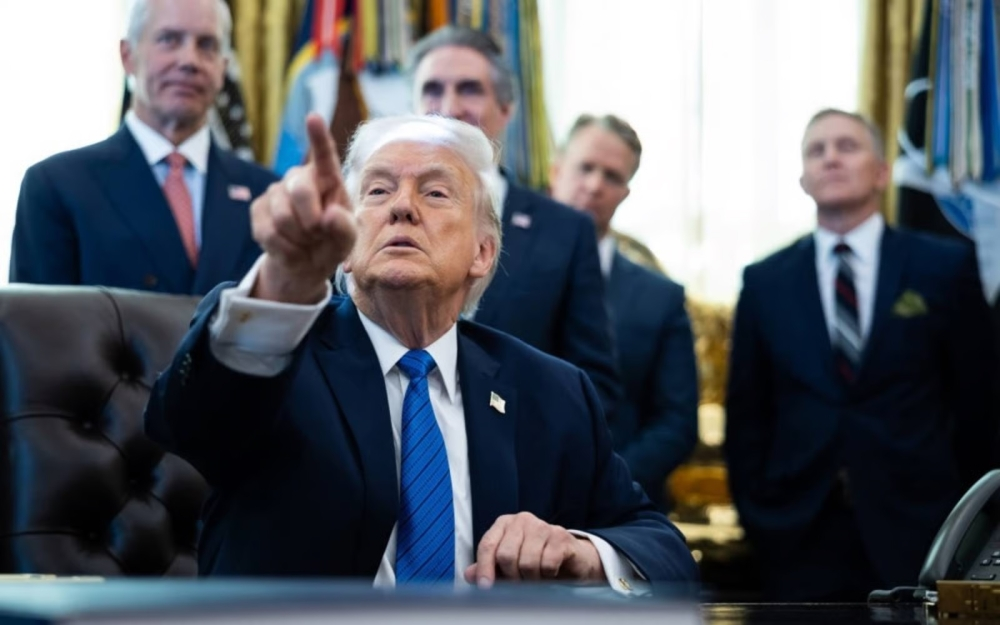
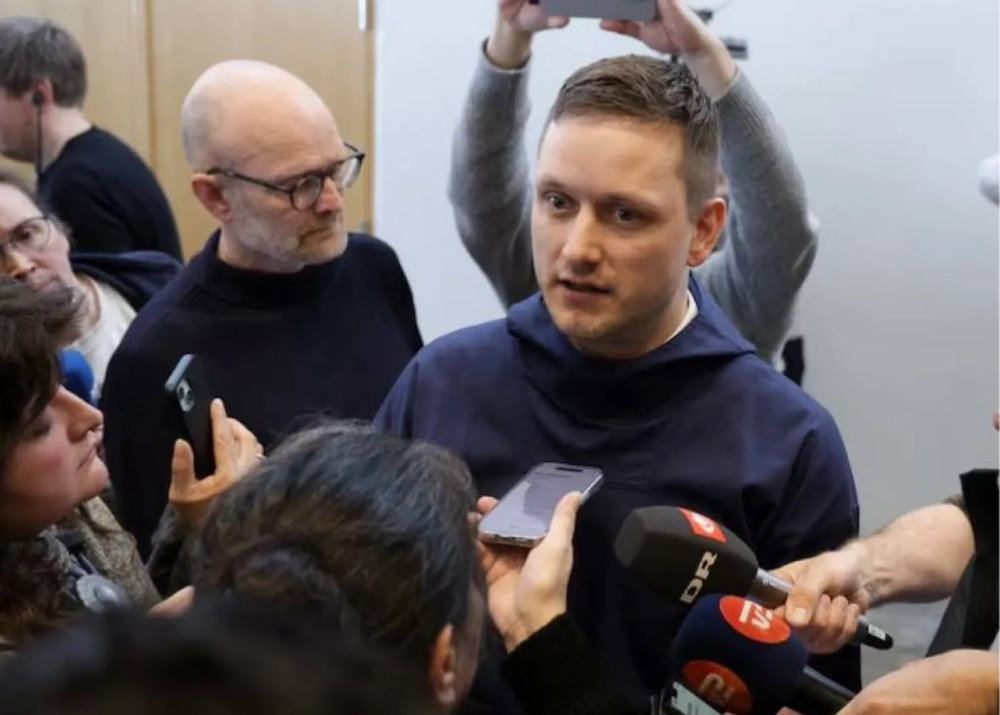
Greenland's Prime Minister, Jens Frederik Nielsen, affirmed during the opening of the island's parliament's winter session that his government expects "tangible results" from the ongoing strategic dialogue with the United States. These remarks come at a time of growing global interest in the Arctic region, particularly in Greenland, a self-governing territory within the Kingdom of Denmark, which the administration of former US President Donald Trump had expressed interest in purchasing.
“The dialogue has begun, and the Greenland government will work diligently to ensure it leads to tangible results,” Nielsen told lawmakers. These words indicate Greenland’s desire to translate American interest into real economic and developmental benefits for the island and its people, rather than it remaining merely talk of real estate deals.
Historical background of American interest
American interest in Greenland is not new. Since World War II, Washington has recognized the island's crucial strategic importance. During the Cold War, the United States established Thule Air Base (now known as Petovik Space Base) in northwest Greenland, which remains a vital part of the North American and NATO air defense and early warning system. In 1946, US President Harry Truman offered to buy the island from Denmark for $100 million, but the offer was rejected. President Trump revived this idea in 2019, sparking a brief diplomatic crisis with Denmark.
Growing geopolitical importance
Greenland derives its importance from its unique geographical location and vast natural resources. As the ice sheet melts at an accelerated rate due to climate change, new shipping lanes are opening up in the Arctic, such as the Northwest Passage, significantly shortening distances between Asia and Europe. Furthermore, Greenland's subsoil and the surrounding continental shelf are believed to be rich in natural resources, including oil, gas, and rare earth minerals, which are vital to advanced technology industries. This reality has made the island a new arena of competition among major powers, primarily the United States, Russia, and China, all of which seek to expand their influence in the region.
Trilateral talks and a unified European position
The first meeting of the joint working group was held in Washington with the participation of senior officials from the United States, Denmark, and Greenland. The Danish Foreign Minister at the time, Lars Løkke Rasmussen, described it as taking place in a “very constructive atmosphere.” In this context, the Prime Minister of Greenland emphasized that talks with Washington should proceed in parallel with strengthening “close dialogue with Western countries” and cooperation with the European Union. He added, underscoring the international support for his country’s position: “We are not alone, and we are protected; all EU countries support us.”.
In a reiteration of the island's sovereignty, Nielsen reiterated that "Greenland cannot be bought or sold," a firm stance adopted by both Nuuk and Copenhagen in response to Trump's remarks. While Greenland seeks to capitalize on this attention to bolster its economy and pave the way for potential full independence in the future, it is acutely aware of the security and political challenges posed by this new position on the global geopolitical map.