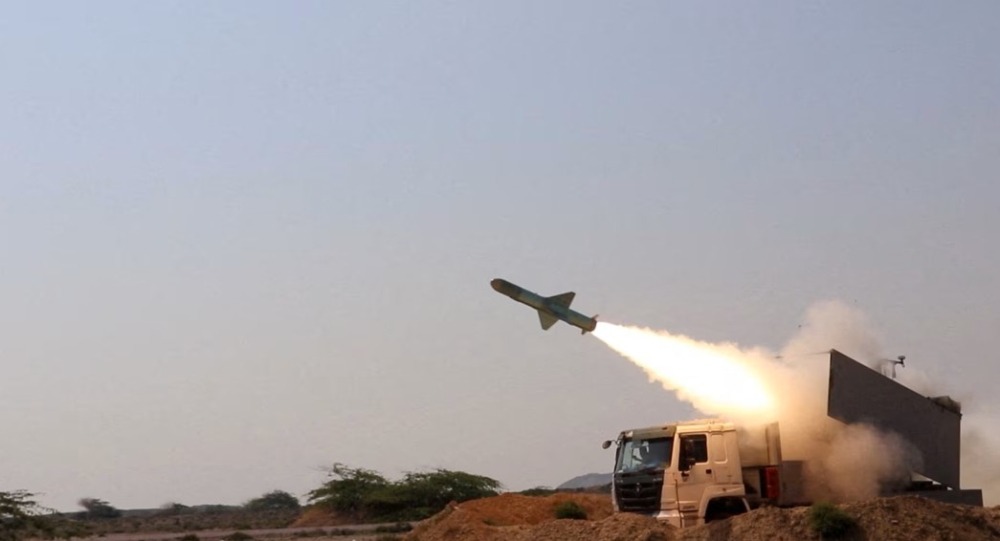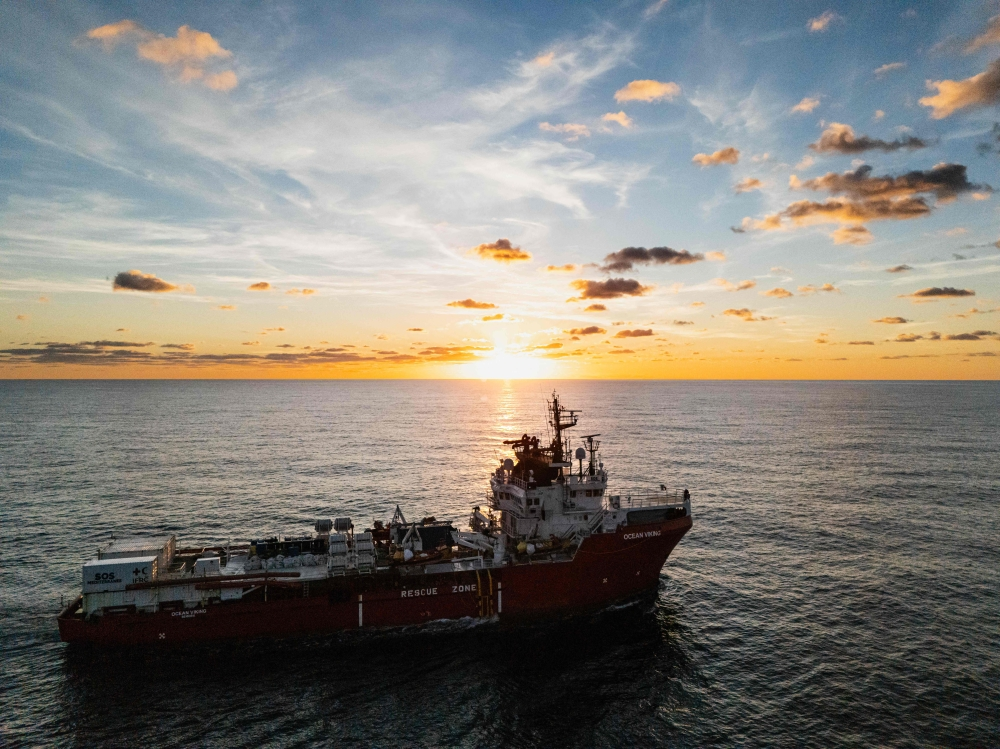
The Black Sea, already a stage for escalating geopolitical tensions, witnessed another security incident: two Greek-owned oil tankers were targeted by unidentified drones. The attack occurred on Tuesday near the Russian coast, raising new concerns about the safety of commercial shipping and global energy supplies in this vital region.
According to reports, the two tankers targeted were the Maltese-flagged Matilda and the Liberian-flagged Delta Harmony. A Greek maritime ministry official confirmed to AFP that the attack caused no serious damage or injuries to the crew, but it highlights the growing dangers faced by civilian vessels in conflict zones.
Details of the incident and the tanker's route
The tanker Matilda was en route to load a cargo of Kazakh oil from the Caspian Pipeline Consortium (CPC) terminal near the strategic Russian port of Novorossiysk on the Black Sea. Kazakh state-owned company KazMunaygas stated that initial assessments indicate the vessel remains seaworthy and there are no signs of serious structural damage. Meanwhile, the Kazakh Ministry of Energy clarified that the tanker Delta Harmony's tanks were empty at the time of the attack.
Context of the Black Sea conflict
This incident comes at a time when the Black Sea region is witnessing a significant shift in the course of the Russian-Ukrainian war, with the targeting of ports and maritime infrastructure expanding. Since Russia's withdrawal from the grain agreement and the escalation of tit-for-tat attacks, commercial vessels have become increasingly vulnerable to both drifting sea mines and direct attacks by aerial and naval drones.
While Kyiv has not issued any official comment on the incident, the Russian news agency RIA Novosti, citing unnamed sources, accused Ukraine of being behind the attacks. This type of incident complicates the diplomatic landscape and increases pressure on global shipping companies, which are now hesitant to send their vessels to the region without security guarantees or expensive insurance coverage.
Expected economic and regional impacts
Targeting oil tankers, even if it doesn't result in immediate environmental or human disasters, carries serious economic implications. The Caspian Pipeline (CPC) is a vital artery for exporting oil from Kazakhstan (a non-party to the conflict) to global markets via Russian territory. Any disruption to this route could lead to volatility in global oil prices and affect the energy security of Europe, which relies in part on these supplies as an alternative to Russian oil.
Locally and regionally, this incident could prompt marine insurance companies to raise war risk premiums for ships transiting the Black Sea, increasing shipping costs and negatively impacting supply chains. Furthermore, repeated targeting of civilian vessels could necessitate international intervention to guarantee freedom of navigation, potentially escalating military tensions in the region.