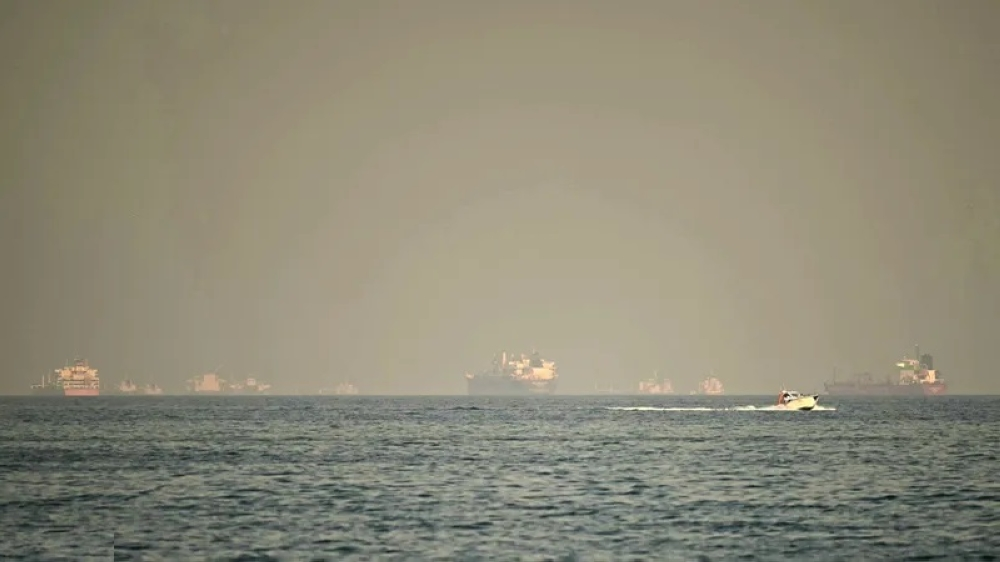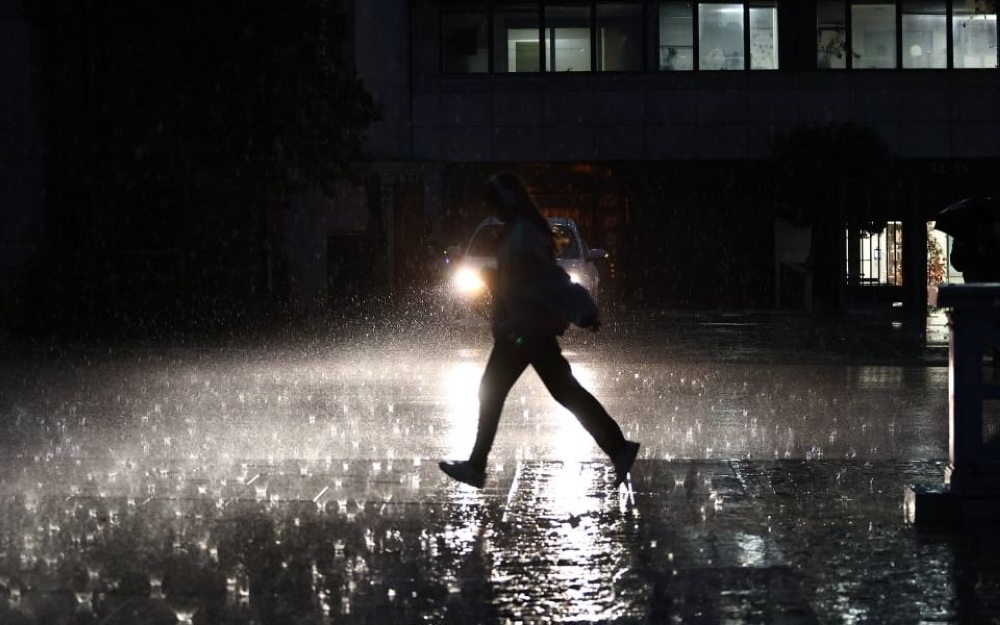
A member of the Greek coast guard died on Wednesday in a tragic accident that underscores the severity of the weather conditions currently affecting the country. The Greek government confirmed the death, noting that the country is facing a severe weather system characterized by strong winds and heavy rain that has caused partial disruption in some areas.
Details of the tragic accident
In a statement detailing the incident, the Greek Minister of Maritime Affairs, Vassilis Kikilias, mourned the victim in a post on the "X" platform, explaining that the man lost his life while performing his national and humanitarian duty in the coastal city of Astros, located in the eastern Peloponnese region. According to reports, the victim was attempting to warn local fishermen and urge them to leave the area for their safety when a powerful wave swept him away, causing fatal injuries.
Emergency measures and political cancellations
Greece is currently experiencing a deep low-pressure system moving eastward, accompanied by winds exceeding 100 kilometers per hour. These severe weather conditions have prompted authorities to take urgent precautionary measures, including closing schools in the capital, Athens, and several other areas to ensure the safety of students. Authorities have also repeatedly urged residents to avoid unnecessary travel until the weather improves.
On the political front, the storm forced changes to the government's agenda, as Prime Minister Kyriakos Mitsotakis had to postpone his planned trip to Switzerland to attend the World Economic Forum in Davos, preferring to stay in the country to monitor weather developments and coordinate emergency response efforts.
Climate challenges and a record of natural disasters
This incident serves as a stark reminder of the growing climate challenges facing Greece and the Mediterranean region. In recent years, the country has become increasingly vulnerable to extreme weather events, ranging from devastating forest fires in the summer to catastrophic floods in the winter and autumn.
The memory of the devastating storm that struck the central region of Thessaly in September 2023 remains vivid for Greeks, causing catastrophic flooding that left 15 dead and inflicted heavy damage on infrastructure and the agricultural sector. More recent history also recalls the tragedy of November 2017, when torrential rains in the Mandra area near Athens killed 16 people and injured dozens, highlighting the urgent need to strengthen infrastructure to cope with accelerating climate change.