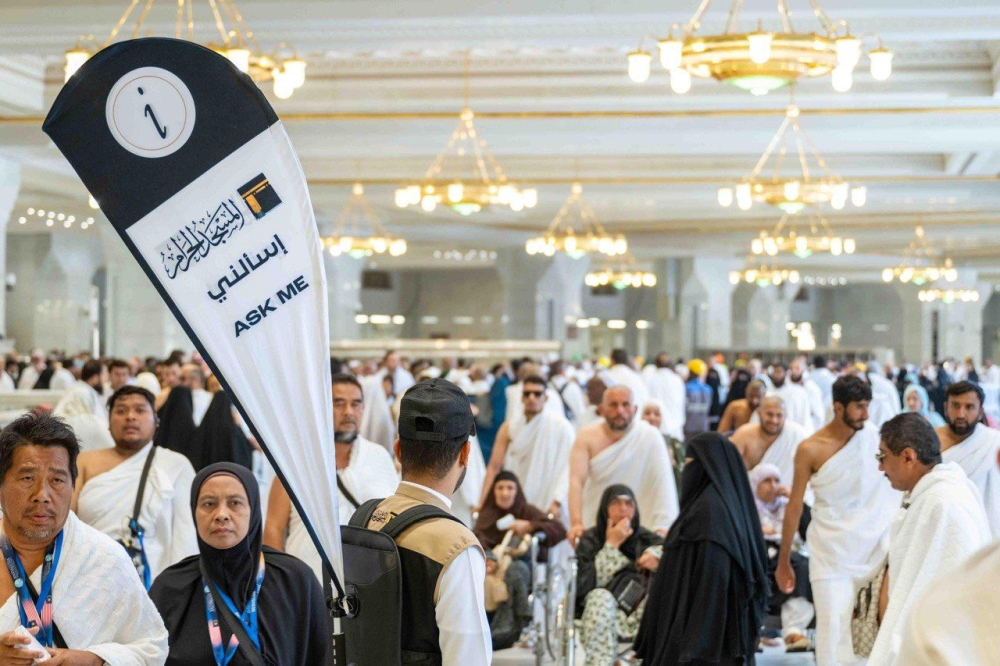
In a significant step aimed at enriching the experience of pilgrims and facilitating their spiritual journey during the blessed month of Ramadan, the General Authority for the Care of the Two Holy Mosques announced the enhancement of the "Field Guidance" system at the Grand Mosque by providing 360 field guides with multilingual simultaneous translation services. This initiative is part of a series of ongoing improvements designed to accommodate the millions of pilgrims and worshippers and provide them with the highest quality services.
Historical background of serving pilgrims and Umrah performers
Throughout history, the Grand Mosque in Mecca has been a destination for Muslims from all over the world, creating a unique global environment where cultures and languages converge. With this diversity, the challenge of language communication has emerged as one of the most significant obstacles facing pilgrims. Since its founding, the Kingdom of Saudi Arabia has placed great emphasis on developing services at the Two Holy Mosques, from historic architectural expansions to the adoption of cutting-edge technologies. The simultaneous interpretation initiative is a natural extension of this legacy, transforming guidance services from mere spatial directions into effective human communication that meets the needs of non-Arabic speaking visitors.
Details of the improved system and its direct impact
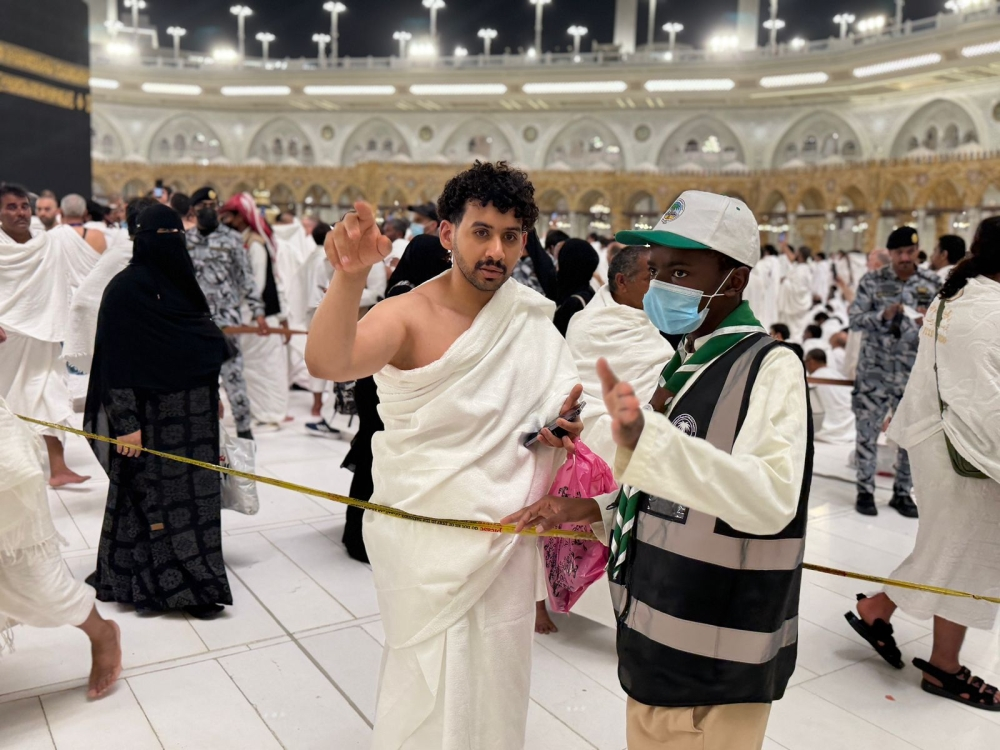
The new operational plan relies on deploying 360 qualified guides at 60 carefully selected guidance points to cover all areas of the Grand Mosque and its outer courtyards. These guides, known as "walking teams," provide direct guidance and facilitate access for pilgrims to various facilities and services, such as prayer areas, entrances, and essential amenities. The integration of simultaneous interpretation technology has led to a significant improvement, with the number of beneficiaries of these services increasing by approximately 30%. This reflects its effectiveness in overcoming language barriers and noticeably improving the speed of response to pilgrims' needs, all without disrupting the flow of crowds.
Strategic importance and alignment with Vision 2030
This initiative holds significant strategic importance as it directly aligns with the objectives of the "Guests of God Service Program," a key component of the Kingdom's Vision 2030. The program aims to enable the largest possible number of Muslims to perform their rituals with ease and tranquility, enriching their religious and cultural experience. Providing simultaneous interpretation services not only enhances crowd management efficiency and visitor safety but also elevates the Kingdom's international image as a leader in leveraging technology to serve the holy sites. Internationally, this experience serves as a model for managing large, multinational gatherings, further solidifying the Kingdom's position as the heart of the Islamic world.
Smart integration of a comprehensive guidance system
The mobile teams, supported by simultaneous interpretation, operate as part of a broader and more intelligent guidance system. Their efforts are complemented by smart signage throughout the Holy Mosque, which utilizes color-coding and identification numbers to clearly guide pilgrims. This integration of qualified personnel and advanced technology creates a seamless visitor experience, ensuring they reach their destinations in the shortest time and with the least effort, allowing them to fully focus on worship and spirituality.