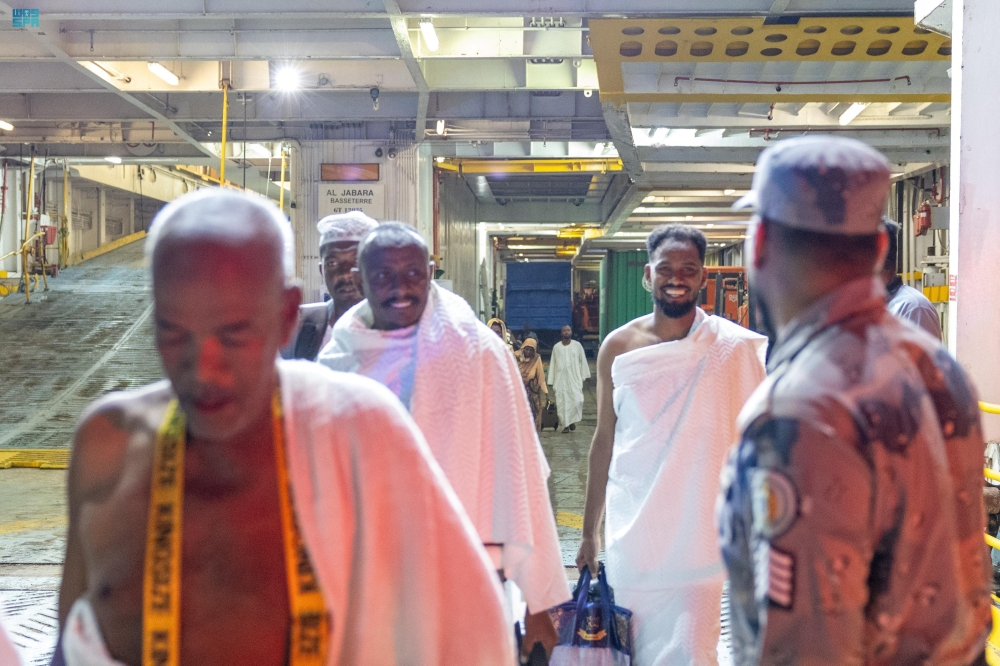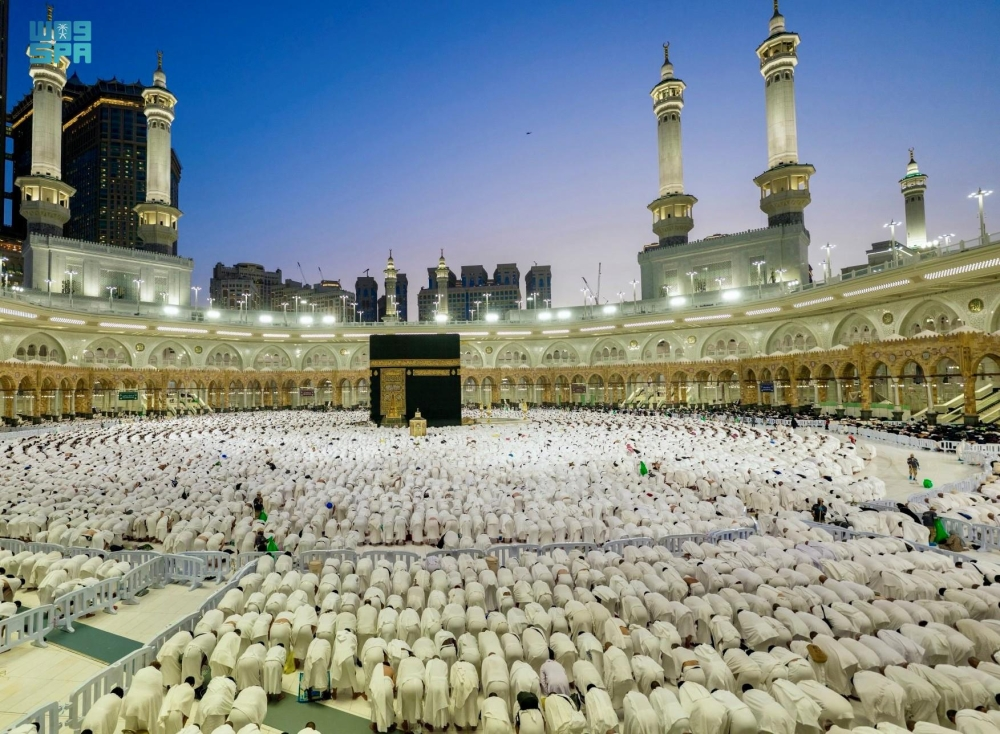
In a deeply spiritual atmosphere, the Grand Mosque in Mecca witnessed the arrival of millions of pilgrims on Saturday, the fourth day of Ramadan. Official statistics recorded the entry of more than 904,000 pilgrims and worshippers to perform Umrah and prayers within the sacred precincts of the Holy Mosque. This record number in the early days of the blessed month reflects the profound significance Ramadan holds in the hearts of Muslims worldwide and their eagerness to seize its blessed days in the holiest place on earth.
Historical context and importance of Umrah during Ramadan
Performing Umrah during Ramadan holds special significance for Muslims, based on the noble Prophetic traditions that elevate its status. The Prophet Muhammad (peace be upon him) said, “An Umrah in Ramadan is equivalent to a Hajj.” This great virtue motivates millions of Muslims from around the world to travel to Mecca, making Ramadan the peak season for Umrah pilgrimages throughout the year. Historically, since its founding, the Kingdom of Saudi Arabia has prioritized serving the Two Holy Mosques and their visitors, investing enormous resources in developing infrastructure and services to ensure the comfort and safety of the pilgrims.
Integrated crowd management services system
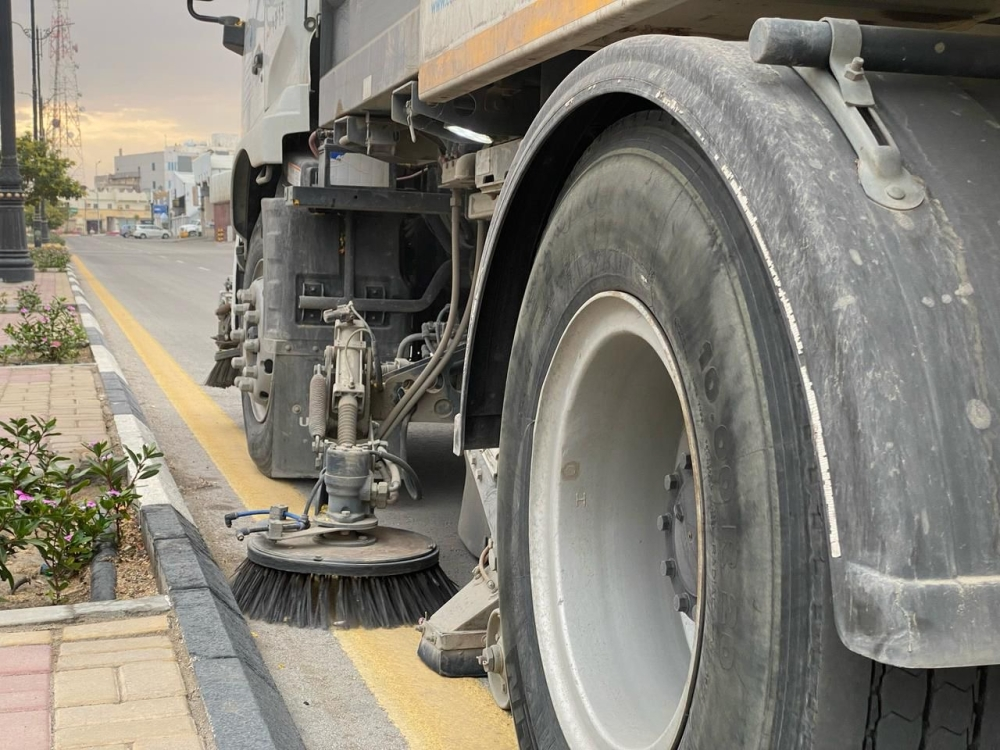
To manage these massive numbers, the General Authority for the Care of the Two Holy Mosques, in cooperation with all governmental and security agencies, is working according to well-defined operational plans. The Authority affirmed that these field and organizational efforts continue around the clock to ensure the smooth flow of movement and the comfort of pilgrims. This integrated system includes highly effective crowd management, the allocation of specific routes for Tawaf and Sa'i, and the intensification of cleaning, sanitization, and disinfection operations throughout the Grand Mosque, its courtyards, and facilities. In addition, it provides spatial guidance and religious instruction in several international languages to facilitate the performance of rituals for pilgrims from diverse cultures.
Local and international impact of the season's success
The Kingdom's success in managing these millions of pilgrims extends beyond the local level, enhancing its standing regionally and internationally. Locally, the Hajj season is a significant economic driver for the city of Mecca, boosting the hotel, transportation, and retail sectors. Internationally, providing a safe and accessible Hajj experience reflects the Kingdom's civilized image and its exceptional ability to organize the world's largest gatherings, aligning with the goals of Vision 2030, which aims to improve the Hajj and Umrah experience and increase capacity. The number of Umrah pilgrims is expected to increase significantly during the last ten days of Ramadan, as all sectors prepare to maximize their readiness to accommodate the annual peak of the season.