Precious metals set to see historic rise at the start of 2026
At the start of 2026, global commodity markets experienced an unprecedented surge, with gold and silver soaring to historic highs, achieving in a single month what had been expected to take an entire year. This meteoric rise was fueled by investors and central banks flocking to physical assets as the last safe haven against escalating geopolitical tensions and the uncertainty surrounding the global economy.
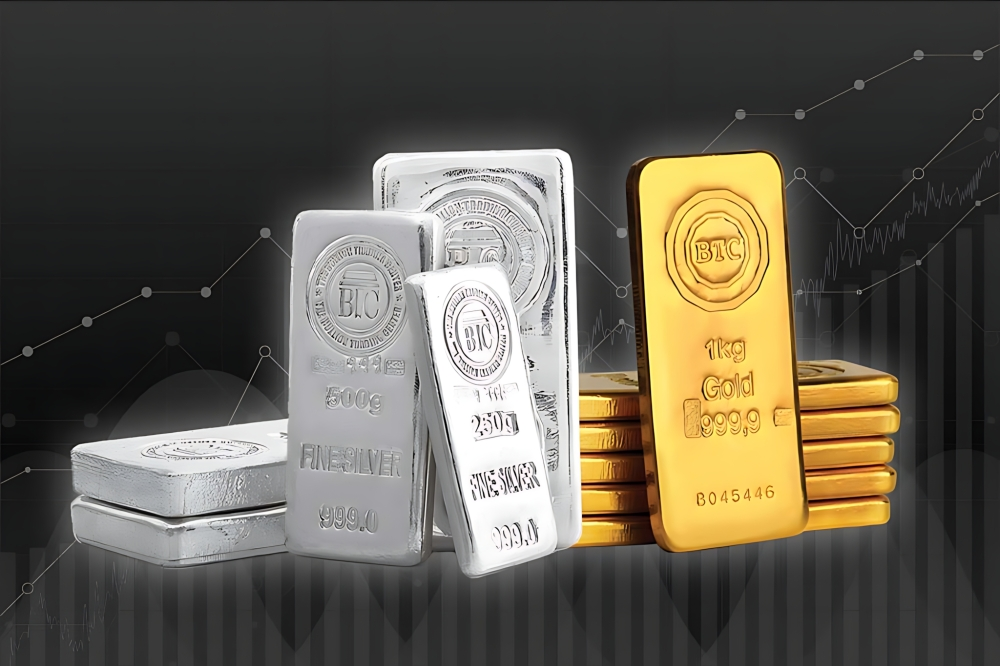
On the Comex commodities exchange in New York, gold prices surged 2.4% on Monday, breaking the $5,100 per ounce mark for the first time ever—a level analysts had predicted would be reached by mid- to late-year. Silver, known for its volatile prices, also saw a dramatic jump of 14.6%, surpassing $116 per ounce, continuing its upward trajectory that has more than tripled its value over the past year.
Historical context: The erosion of the dollar's dominance
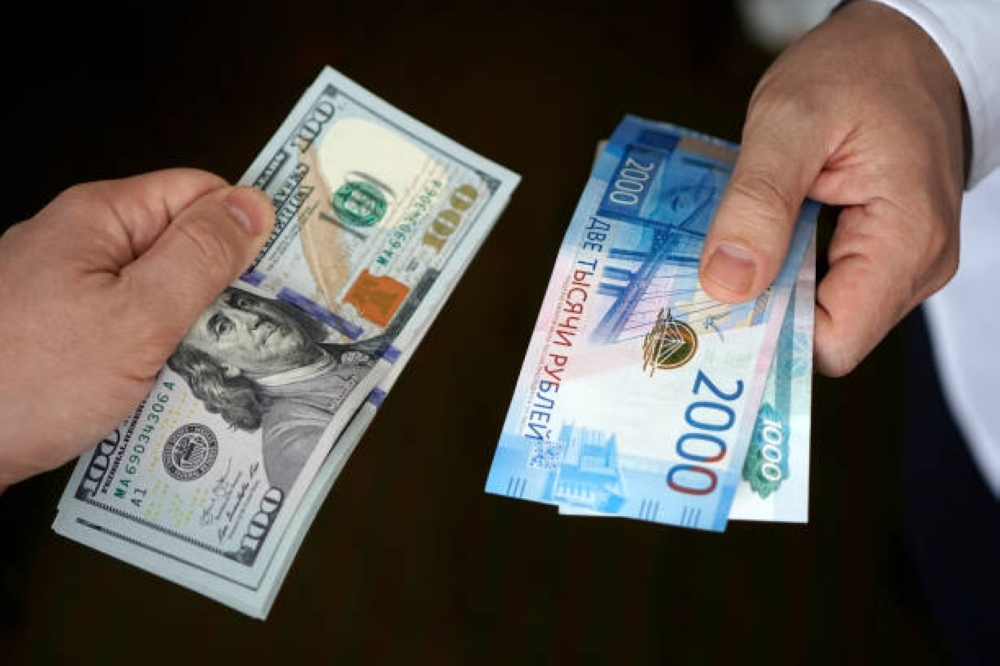
Analysts believe this surge reflects more than just temporary market fluctuations; it signals a broader structural shift away from dollar-denominated assets, a phenomenon known as “currency devaluation trading” or “de-dollarization.” This trend didn’t begin today; its roots extend back to the aftermath of the 2008 global financial crisis, when many countries began diversifying their reserves away from the dollar to mitigate risk. This pace has accelerated significantly since 2022 with the outbreak of war in Ukraine and the use of financial sanctions as a political tool, prompting many countries to seek safer alternatives independent of the US financial system.
Bob Gottlieb, a former metals trader and founder of financial institutions, said: “This is not a temporary surge, it is a substantial rise that reflects the world moving away from the dollar, as central banks protect themselves from the unpredictable US policy under President Donald Trump.”.
Geopolitical tensions are fueling price hikes
Concerns have resurfaced in recent weeks as the Trump administration has adopted a more aggressive foreign policy stance, including the arrest of Venezuelan leader Nicolás Maduro and threats against European allies. Just days ago, Trump threatened Canada with 100% tariffs if it entered into a trade agreement with China. These events are increasing the risk premium in the markets, prompting investors to flee from risky assets and paper currencies to gold, which has proven its ability to preserve value during times of war and crisis over millennia.
Adam Tornquist, chief strategist at LPL Financial, adds that the weakness of the US dollar, which has fallen to its lowest level in months, is an additional factor supporting the rise in metals. A weak dollar makes dollar-denominated commodities, such as gold, cheaper for buyers using other currencies, thus increasing demand.
Silver and industrial metals: dual demand
It's not just gold; silver is also shining brightly due to its dual role as both a precious metal and a vital industrial asset. With the global expansion of renewable energy projects, demand for silver is skyrocketing for use in solar panels, as well as its role in the electronics industry and data centers. This increased industrial demand, coupled with dwindling inventories, is creating additional upward pressure on prices. Other metals, such as copper, platinum, and palladium, have also seen record highs, driven by industrial demand and trade tensions impacting global supply chains.
Global impact: Reshaping the investment landscape
The continuation of this trend could have profound repercussions for the global economy. For individual investors, hedging with gold and silver has become essential to protect their savings from the erosion of purchasing power. Gold-backed investment funds in North America alone added $51 billion in 2025, with another $5 billion added in the first weeks of 2026, confirming that this shift encompasses all investor categories. Internationally, this poses a direct challenge to the decades-long dominance of the dollar and could pave the way for a multipolar global financial system in which precious metals and other currencies play key roles.