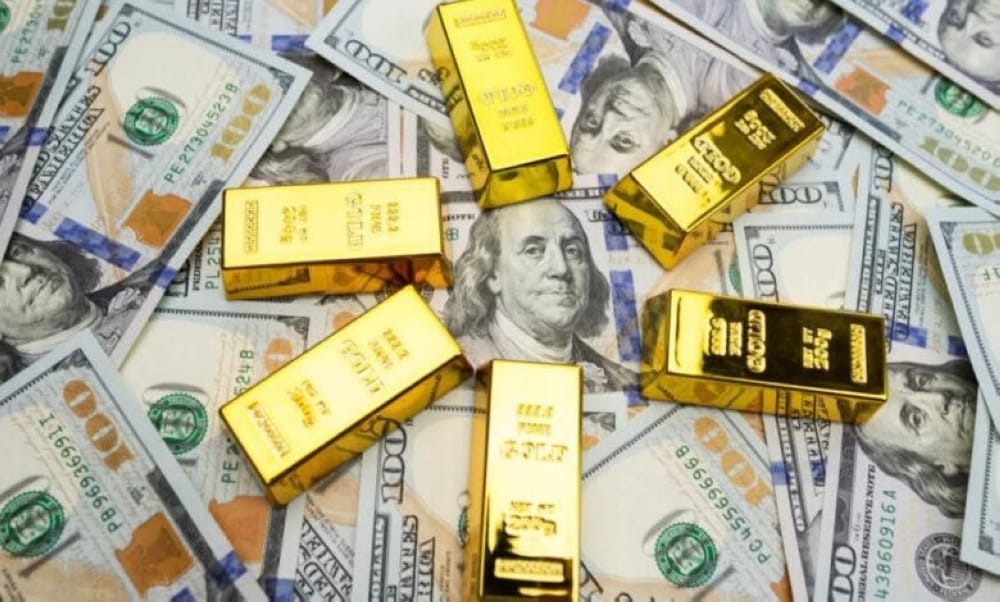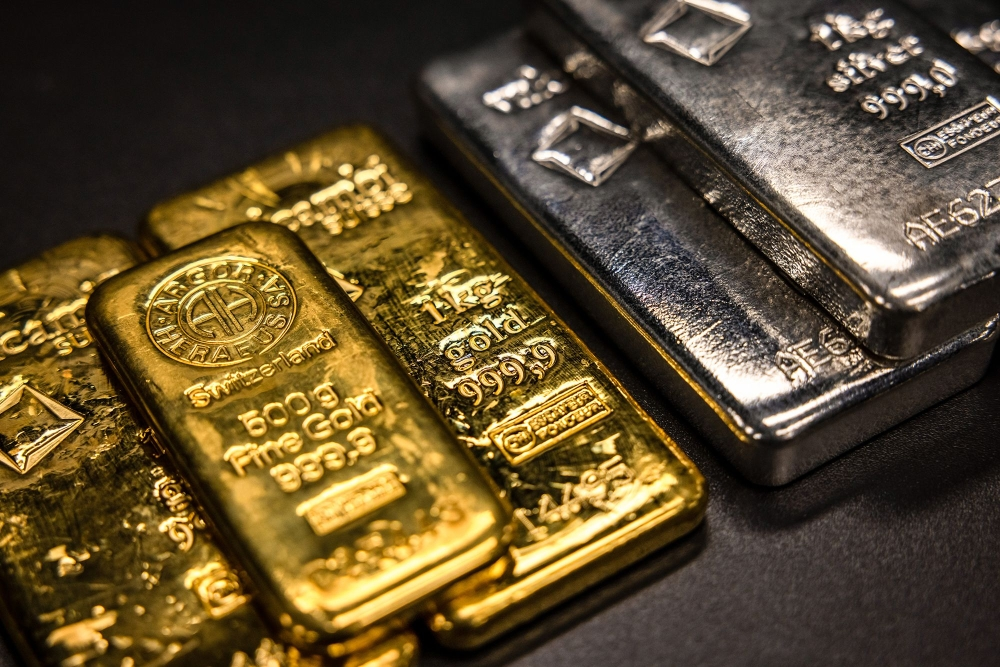
شهدت أسواق المعادن الثمينة موجة صعود قوية، حيث واصلت أسعار الذهب والفضة تحقيق مكاسب قياسية، مدفوعة بحالة من عدم اليقين الاقتصادي والجيوسياسي التي تدفع المستثمرين بقوة نحو الملاذات الآمنة. يأتي هذا الارتفاع كدليل واضح على المخاوف السائدة في الأسواق العالمية، مما يعزز من مكانة الذهب كأداة تحوط أساسية ضد التضخم وتقلبات السوق.
السياق التاريخي ودور الملاذ الآمن
تاريخياً، لطالما كان الذهب هو المقياس الأول للاستقرار في أوقات الأزمات. فمنذ الأزمة المالية العالمية في عام 2008، مروراً بجائحة كوفيد-19، وصولاً إلى التوترات الحالية، أثبت المعدن الأصفر قدرته على الحفاظ على القيمة عندما تتراجع الأصول الأخرى. يعود هذا السلوك إلى الثقة المتأصلة في الذهب كمخزن للقيمة لا يخضع لسيطرة أي حكومة أو بنك مركزي، مما يجعله خياراً مثالياً لتنويع المحافظ الاستثمارية وحمايتها من المخاطر النظامية.
محركات الصعود الحالية: مزيج من العوامل الاقتصادية والجيوسياسية
يمكن إرجاع الارتفاع الأخير في أسعار الذهب والفضة إلى عدة عوامل متداخلة. أولاً، تلعب التوترات الجيوسياسية المتصاعدة في مناطق مختلفة من العالم دوراً محورياً في زيادة الطلب على الأصول الآمنة. ثانياً، تساهم سياسات البنوك المركزية العالمية، وعلى رأسها بنك الاحتياطي الفيدرالي الأمريكي، في دعم هذا الاتجاه. فعلى الرغم من محاولات كبح التضخم، لا تزال هناك توقعات بخفض أسعار الفائدة في المستقبل، وهو ما يقلل من تكلفة الفرصة البديلة لحيازة الذهب الذي لا يدر عائداً. بالإضافة إلى ذلك، شهدت السنوات الأخيرة إقبالاً تاريخياً من قبل البنوك المركزية، خاصة في الأسواق الناشئة، على شراء الذهب لتعزيز احتياطاتها وتنويعها بعيداً عن الدولار الأمريكي.
الفضة: المعدن الثمين والصناعي
لم تكن الفضة بعيدة عن دائرة الضوء، حيث حققت مكاسب لافتة متفوقة في بعض الأحيان على الذهب. ويعود أداء الفضة القوي إلى طبيعتها المزدوجة؛ فهي ليست فقط ملاذاً آمناً بديلاً وأرخص سعراً من الذهب، بل هي أيضاً معدن صناعي حيوي. يتزايد الطلب على الفضة بشكل كبير في الصناعات التحويلية المتقدمة، مثل صناعة الألواح الشمسية، والسيارات الكهربائية، وشبكات الجيل الخامس (5G)، مما يضيف طبقة إضافية من الدعم الأساسي لأسعارها على المدى الطويل.
التأثيرات والتوقعات المستقبلية
إن ارتفاع أسعار المعادن الثمينة له تأثيرات واسعة النطاق. على المستوى المحلي والإقليمي، يؤثر ذلك بشكل مباشر على المستهلكين والمدخرين الذين يعتبرون الذهب جزءاً أساسياً من ثقافتهم المالية. أما على الصعيد الدولي، فيعكس هذا الصعود تحولاً في ثقة المستثمرين ويشير إلى توقعات باستمرار حالة عدم اليقين. يتوقع العديد من المحللين أن يستمر الاتجاه الصعودي للذهب والفضة طالما بقيت العوامل المحركة له قائمة، مع ترقب المستثمرين لأي بيانات اقتصادية جديدة أو تطورات سياسية قد تؤثر على مسار الأسواق في المستقبل القريب.