A noticeable recovery in precious metals markets
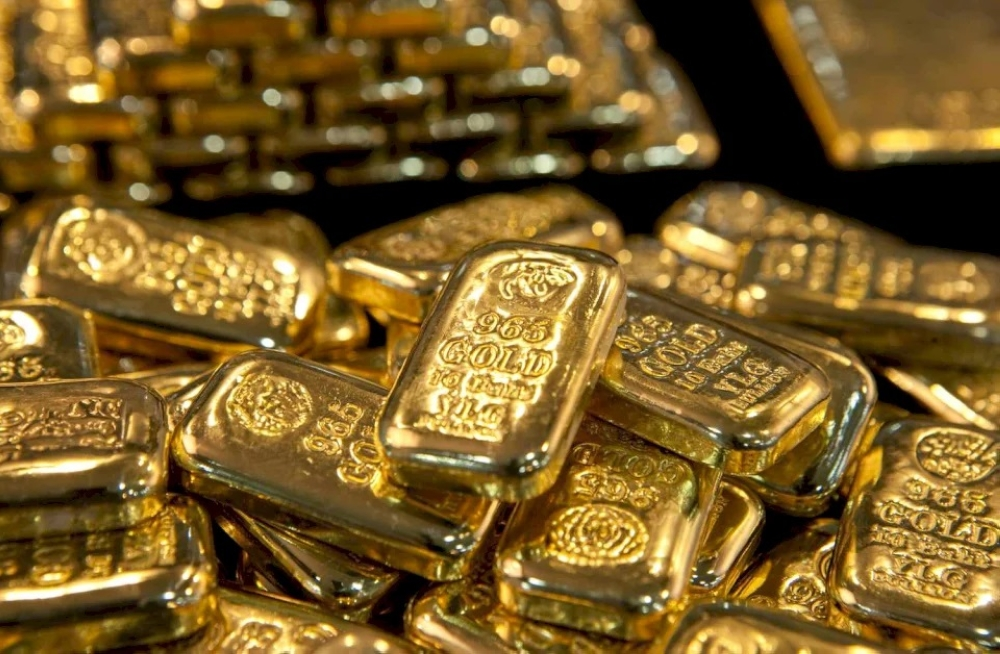
Precious metals markets witnessed a notable rebound, with gold and silver prices rising again, driven by increased investor demand at relatively low prices following a decline in previous sessions. This movement comes as markets await global economic data and monetary policy decisions from major central banks, most notably the US Federal Reserve.
In trading details, spot gold rose nearly 1% to around $2,350 an ounce, after falling more than 3% in the previous session to its lowest level in a week. US gold futures also climbed 0.7% to settle at $2,365 an ounce. Silver followed suit, jumping 2.1% in spot trading, recovering some of the sharp losses it suffered earlier in the week.
Historical context and the role of gold as a safe haven
Historically, gold has been considered the primary safe haven for investors during times of economic uncertainty and geopolitical tensions. When risks in financial markets increase, whether due to slowing economic growth, rising inflation, or the outbreak of international crises, investors and central banks tend to convert a portion of their assets into gold to preserve its value. This pivotal role explains the extreme sensitivity of gold prices to economic data, particularly that emanating from the United States, such as jobs reports and inflation indicators, which directly influence the Federal Reserve's interest rate decisions.
The importance of the event and its expected impact
The significance of this recovery lies in its reflection of market dynamism and its ability to quickly correct its course. Internationally, the stability of gold prices above key support levels influences the decisions of major investors and hedge funds. Any change in US monetary policy also has a direct impact; raising interest rates increases the opportunity cost of holding non-yielding gold, potentially putting downward pressure on its price, while lowering rates enhances its appeal.
Regionally and locally, these fluctuations in global prices are immediately reflected in local markets across the Middle East, impacting retail prices for gold bars and jewelry. Consumers and individual investors in the region rely heavily on these prices when making purchasing decisions, whether for savings or adornment. Therefore, understanding the global factors driving gold and silver prices is essential for forecasting and capitalizing on local market trends.