Gold and silver prices recover in global markets
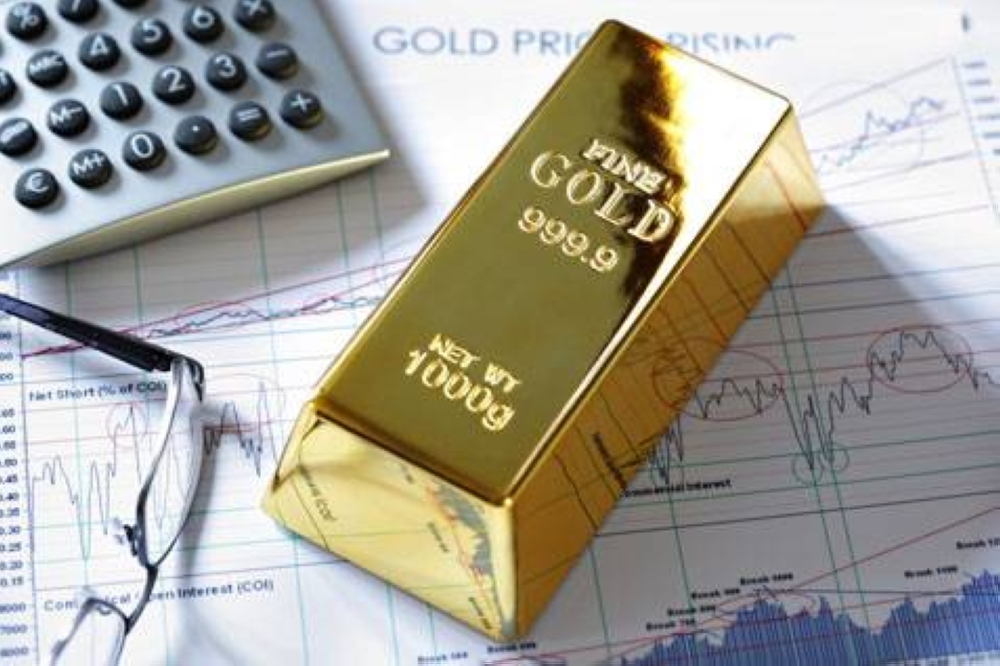
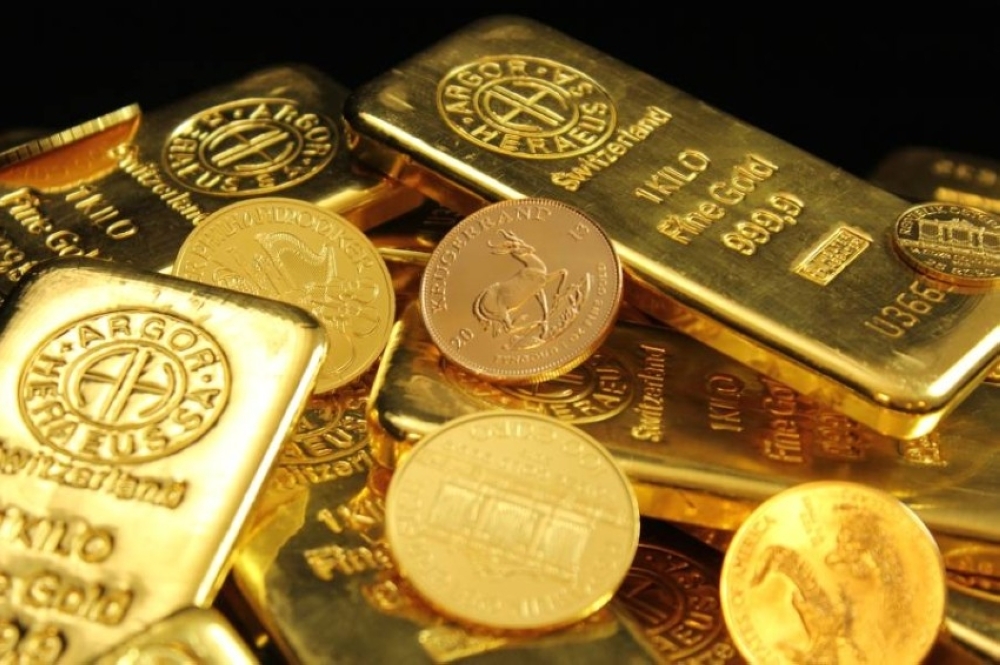
Precious metals markets have seen a notable rebound, with gold and silver prices recovering after a sharp sell-off. This recovery follows a period of extreme volatility directly influenced by speculation surrounding US monetary policy, specifically potential changes in the leadership of the Federal Reserve (the US central bank). These developments have prompted investors to reassess their positions, which has had an immediate impact on price movements.
Historical context: Federal Reserve chairman nominations and their impact
To understand the reasons behind the sell-off that preceded this recovery, we must go back to the period of speculation surrounding the successor to the Federal Reserve Chair. During that time, Kevin Warsh, a former Fed official, emerged as a potential candidate for the position. Warsh is known in financial circles for his relatively hawkish views on monetary policy, meaning he favors a faster pace of interest rate hikes to curb inflation. These nominations caused concern in the precious metals markets, as higher interest rates increase the opportunity cost of holding non-yielding assets like gold and also bolster the strength of the US dollar. Since gold is priced in dollars, a stronger dollar makes it more expensive for buyers holding other currencies, reducing its investment appeal and driving down its price.
The importance of Federal Reserve decisions and their global impact
Decisions by the US Federal Reserve are a major driver of global financial markets, not just metals markets. Its policies directly impact the value of the dollar, the world's primary reserve currency. Consequently, any shift in the Fed's direction has repercussions across stock, bond, commodity, and currency markets worldwide. Gold has historically been viewed as a safe haven during times of economic and political uncertainty. However, its relationship with interest rates and a strong dollar is inverse. When economic forecasts are positive and monetary policy tends toward tightening, investors gravitate toward yield-generating assets, putting downward pressure on gold prices. Conversely, during periods of monetary easing or crises, demand for gold as a hedge and store of value increases.
A look at the performance of other metals
The impact wasn't limited to gold and silver; it extended to other precious metals as well. Platinum also experienced volatile price movements, while palladium, heavily reliant on industrial demand, particularly in the automotive sector, was affected by a different dynamic, combining global economic growth forecasts and monetary policies. The recovery in gold and silver prices suggests that markets are beginning to absorb the news and reassess risks, bearing in mind that short-term volatility is often driven more by speculation than long-term fundamentals.