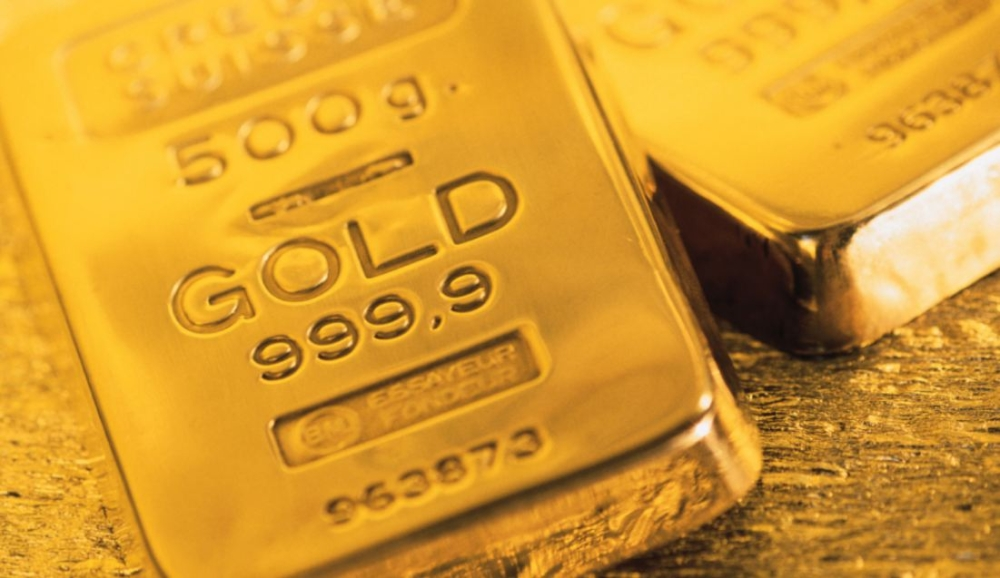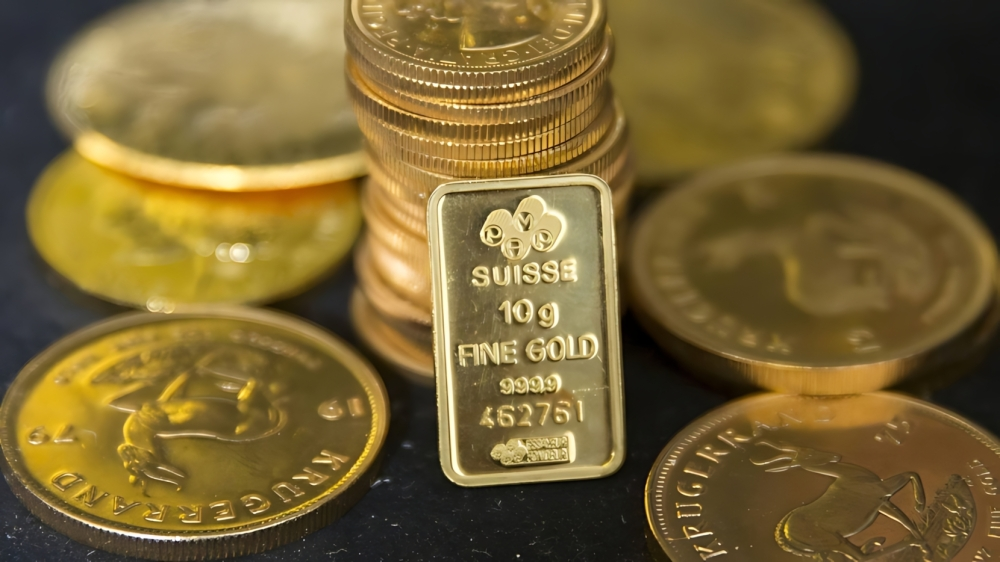
شهدت أسواق المعادن الثمينة موجة صعود قوية يوم الاثنين، حيث قفزت أسعار الذهب إلى أعلى مستوى لها في ستة أسابيع، بينما سجلت الفضة مستوى تاريخياً جديداً. ويأتي هذا الارتفاع مدفوعاً بمجموعة من العوامل الاقتصادية، أبرزها تراجع مؤشر الدولار الأمريكي وتزايد توقعات المستثمرين بأن مجلس الاحتياطي الفيدرالي (البنك المركزي الأمريكي) قد يتجه لخفض أسعار الفائدة في اجتماعه القادم هذا الشهر.
في تفاصيل التداولات، ارتفع سعر الذهب في المعاملات الفورية بنسبة 0.6% ليصل إلى أعلى مستوياته منذ 21 أكتوبر الماضي، كما صعدت عقود الذهب الأمريكية الآجلة بنسبة 0.8%. ولم تكن الفضة بعيدة عن هذا الزخم، حيث ارتفعت أسعارها بنسبة 2.2%، مسجلة رقماً قياسياً جديداً خلال الجلسة. وشملت موجة الصعود معادن ثمينة أخرى، حيث زاد سعر البلاتين بنسبة 1.6% والبلاديوم بنسبة 1.7%.
السياق العام: علاقة الذهب العكسية بالدولار وأسعار الفائدة
تاريخياً، يُعتبر الذهب ملاذاً آمناً يلجأ إليه المستثمرون في أوقات عدم اليقين الاقتصادي والتوترات الجيوسياسية. وتكمن أهمية العوامل الحالية في العلاقة العكسية التي تربط الذهب بكل من الدولار وأسعار الفائدة. فعندما تنخفض أسعار الفائدة، يقل العائد على الأصول التي تدر فائدة مثل السندات الحكومية، مما يقلل من “تكلفة الفرصة البديلة” لحيازة الذهب الذي لا يدر عائداً، وبالتالي يزداد جاذبيته كأصل استثماري. وفي الوقت نفسه، يؤدي انخفاض قيمة الدولار الأمريكي إلى جعل الذهب المقوم به أرخص ثمناً للمشترين الذين يستخدمون عملات أخرى، مما يزيد الطلب عليه عالمياً.
الأهمية والتأثير المتوقع على الأسواق
إن الارتفاع الحالي في أسعار المعادن الثمينة له تداعيات واسعة على مختلف الأصعدة. على الصعيد الدولي، يعكس هذا الاتجاه تحولاً في استراتيجيات المستثمرين والبنوك المركزية حول العالم، التي زادت من مشترياتها من الذهب في السنوات الأخيرة لتنويع احتياطياتها وتقليل الاعتماد على الدولار. إقليمياً، خاصة في منطقة الشرق الأوسط، يحظى الذهب بأهمية ثقافية واقتصادية كبيرة، حيث يُعد مخزناً رئيسياً للقيمة وأداة ادخار شائعة. ويؤثر ارتفاع الأسعار بشكل مباشر على أسواق الذهب المحلية وسلوك المستهلكين والمستثمرين الأفراد. أما محلياً، فيمكن أن يؤدي استمرار هذا الاتجاه إلى زيادة نشاط التداول في أسواق الذهب المحلية وتشجيع المزيد من الاستثمارات في هذا القطاع كجزء من تنويع المحافظ الاستثمارية.
في الختام، يترقب المستثمرون عن كثب البيانات الاقتصادية القادمة وقرارات السياسة النقدية من مجلس الاحتياطي الفيدرالي، حيث ستكون المحرك الرئيسي لأسعار الذهب والفضة على المدى القصير، في ظل بيئة اقتصادية عالمية معقدة تدعم مكانة المعادن الثمينة كأصول آمنة.