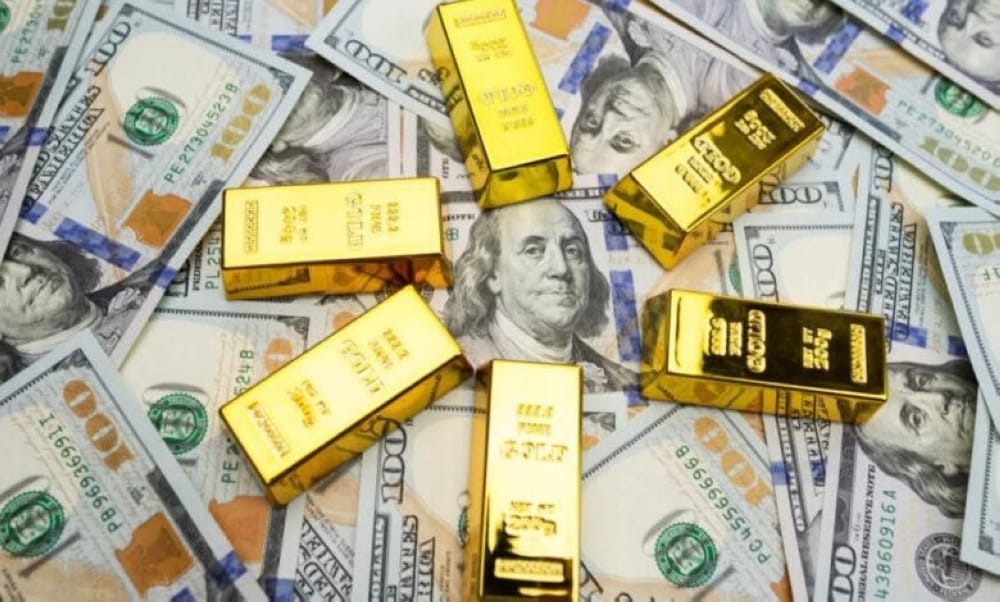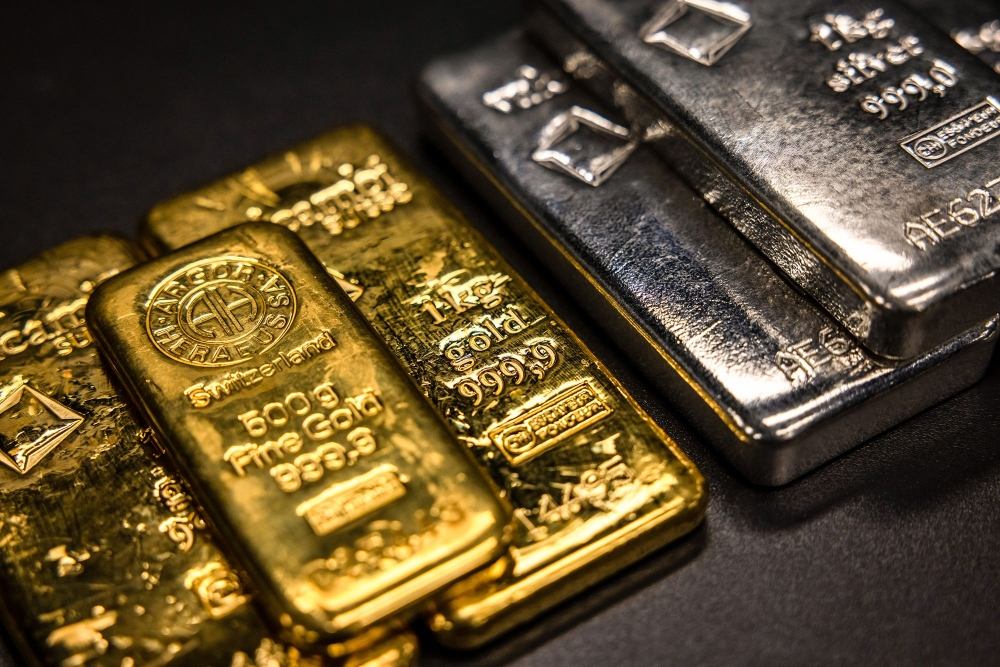
شهدت أسواق المعادن الثمينة موجة صعود تاريخية، حيث حلق سعر الذهب فوق مستوى 2400 دولار للأوقية، مسجلاً بذلك قمة قياسية جديدة، في ظل إقبال المستثمرين على الملاذات الآمنة. ولم تكن الفضة ببعيدة عن هذا الزخم، إذ نجحت في كسر حاجز 30 دولاراً للأوقية، وهو أعلى مستوى لها منذ عدة سنوات، مدفوعة بنفس العوامل التي عززت بريق المعدن الأصفر.
جاء هذا الارتفاع الكبير في أسعار الذهب مدفوعاً بمزيج من العوامل الاقتصادية والجيوسياسية. ففي المعاملات الفورية، سجل الذهب مكاسب قوية ليتجاوز حاجز 2415 دولاراً للأوقية، بينما ارتفعت العقود الآجلة للذهب الأمريكي لتلامس مستويات قياسية مماثلة، مما يعكس ثقة المستثمرين في استمرار هذا الاتجاه الصعودي.
السياق التاريخي ودور الذهب كملاذ آمن
على مر العصور، أثبت الذهب جدارته كأصل استثماري آمن يلجأ إليه المستثمرون للحفاظ على قيمة ثرواتهم في أوقات عدم اليقين. ففي فترات الأزمات المالية، مثل الأزمة المالية العالمية عام 2008 وجائحة كوفيد-19، ارتفعت أسعار الذهب بشكل ملحوظ مع سعي المستثمرين لحماية أنفسهم من تقلبات أسواق الأسهم وتآكل قيمة العملات الورقية بفعل التضخم. ويعود هذا الدور إلى ندرته وقبوله العالمي كوسيلة للتبادل وتخزين القيمة، مما يمنحه استقراراً يصعب العثور عليه في الأصول الأخرى.
الأسباب الرئيسية وراء الارتفاع الأخير
يمكن إرجاع موجة الصعود الحالية إلى ثلاثة محركات رئيسية:
- التوترات الجيوسياسية: أدت الصراعات المستمرة في مناطق مختلفة من العالم، وخصوصاً في الشرق الأوسط وأوروبا الشرقية، إلى زيادة حالة عدم اليقين العالمي، مما دفع المستثمرين إلى تحويل سيولتهم نحو الذهب كأصل آمن ومستقر.
- توقعات السياسة النقدية: أثرت البيانات الاقتصادية الصادرة من الولايات المتحدة وتلميحات مجلس الاحتياطي الفيدرالي (البنك المركزي الأمريكي) حول إمكانية خفض أسعار الفائدة في المستقبل على قيمة الدولار الأمريكي وعوائد السندات. فانخفاض أسعار الفائدة يقلل من تكلفة الفرصة البديلة لحيازة الذهب الذي لا يدر عائداً، مما يزيد من جاذبيته.
- مشتريات البنوك المركزية: يستمر الطلب القوي من قبل البنوك المركزية حول العالم، وخاصة في الاقتصادات الناشئة، في دعم أسعار الذهب. تسعى هذه البنوك إلى تنويع احتياطياتها بعيداً عن الدولار الأمريكي، ويعتبر الذهب عنصراً أساسياً في هذه الاستراتيجية.
التأثيرات المتوقعة وأداء المعادن الأخرى
إن ارتفاع أسعار الذهب له تأثيرات واسعة النطاق، فهو لا يؤثر فقط على المستثمرين الدوليين، بل يمتد تأثيره إلى الأسواق المحلية، خاصة في المناطق التي يعتبر فيها الذهب جزءاً من الثقافة والادخار. كما يؤثر على قطاع المجوهرات وتكاليف الإنتاج في الصناعات التي تستخدمه. وفيما يتعلق بالمعادن الثمينة الأخرى، ارتفع سعر البلاتين بنسبة طفيفة ليصل إلى حوالي 1050 دولاراً للأوقية، بينما شهد البلاديوم تداولاً حول 980 دولاراً، متأثراً بالطلب الصناعي، خاصة من قطاع السيارات.