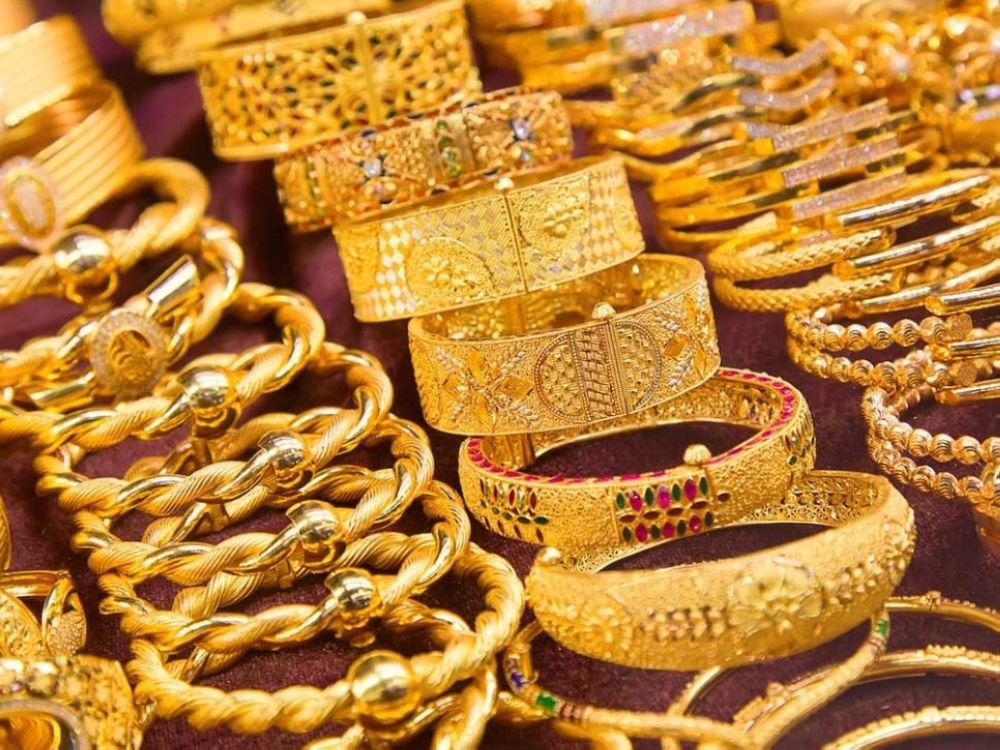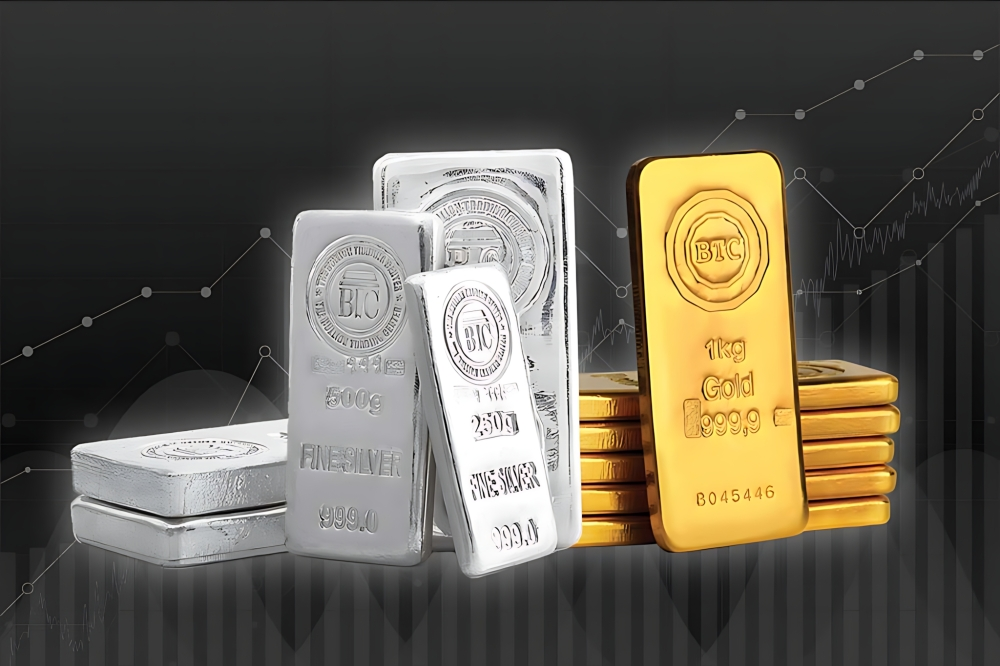
Precious metals markets experienced a sharp sell-off, with gold and silver prices continuing their significant decline. This drop comes amid two key factors that have worried investors: speculation surrounding the nomination of the next US Federal Reserve chair, and regulatory measures taken by the CME Group to increase margin requirements on metals futures trading.
General context and impact of Federal Reserve policies
The position of Chairman of the US Federal Reserve is one of the most important economic posts in the world, as decisions regarding monetary policy, particularly interest rates, directly impact global markets. Historically, the price of gold has been inversely related to interest rates and the strength of the US dollar. When the Fed raises interest rates, the yield on interest-bearing assets like bonds increases, reducing the appeal of gold, which does not generate returns. Furthermore, higher interest rates typically strengthen the dollar, making dollar-denominated gold more expensive for buyers using other currencies, thus decreasing demand.
In this context, news of the nomination of a figure known for his hawkish tendencies (Hawkish) to head the Federal Reserve, such as Kevin Warsh, who was a prominent candidate during the administration of President Donald Trump, led to expectations that the central bank would move towards a stricter monetary policy and a faster increase in interest rates, which negatively affected the prices of precious metals, which are considered a safe haven in times of low interest rates and economic uncertainty.
The role of the CME Group in accelerating the pace of the decline
The pressure on prices wasn't solely due to macroeconomic factors; technical market decisions also played a pivotal role. The CME Group, the world's largest derivatives exchange, announced an increase in margin requirements for gold and silver futures contracts. Margin is the amount of money a trader must deposit to open and maintain a trading position. When these requirements are raised, trading becomes more expensive, reducing speculators' ability to use leverage. This action prompts many traders, especially those with large positions, to liquidate their contracts to avoid additional margin calls, creating intense selling pressure and leading to a sharp and rapid price decline, which the markets have already witnessed.
Expected impacts on global markets
The sharp fluctuations in gold and silver prices affect not only individual and institutional investors, but also the global economy. Central banks around the world hold substantial gold reserves, and any decline in its value impacts their balance sheets. This downturn also affects the stocks of mining and jewelry companies. Despite the current sell-off, some analysts, such as those at JPMorgan Chase, believe the long-term outlook for precious metals may remain positive, supported by factors such as geopolitical tensions and concerns about long-term inflation, which could draw investors back to gold as a traditional safe haven.