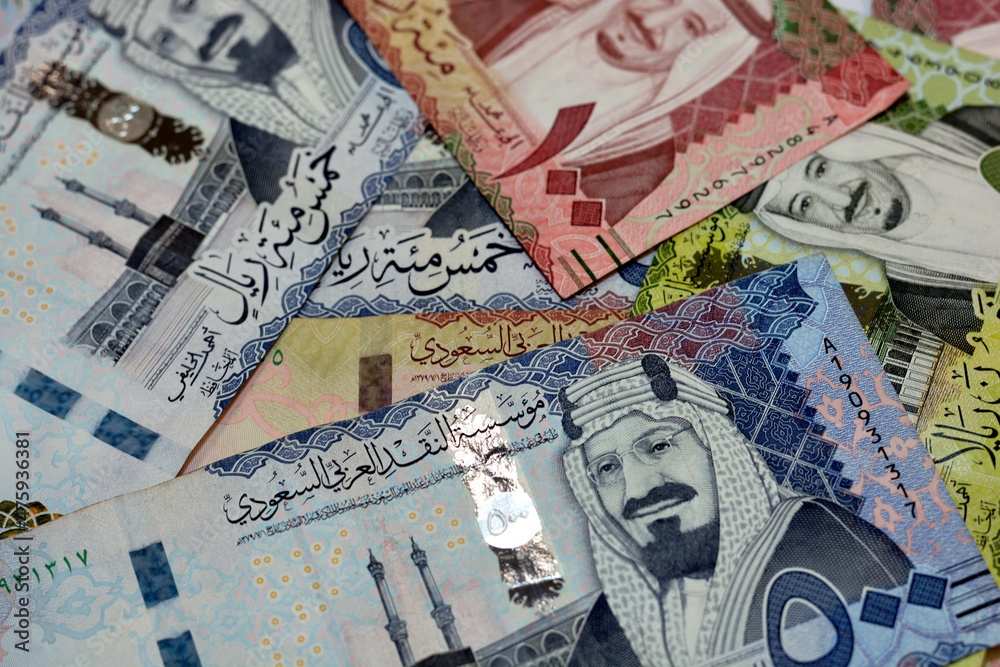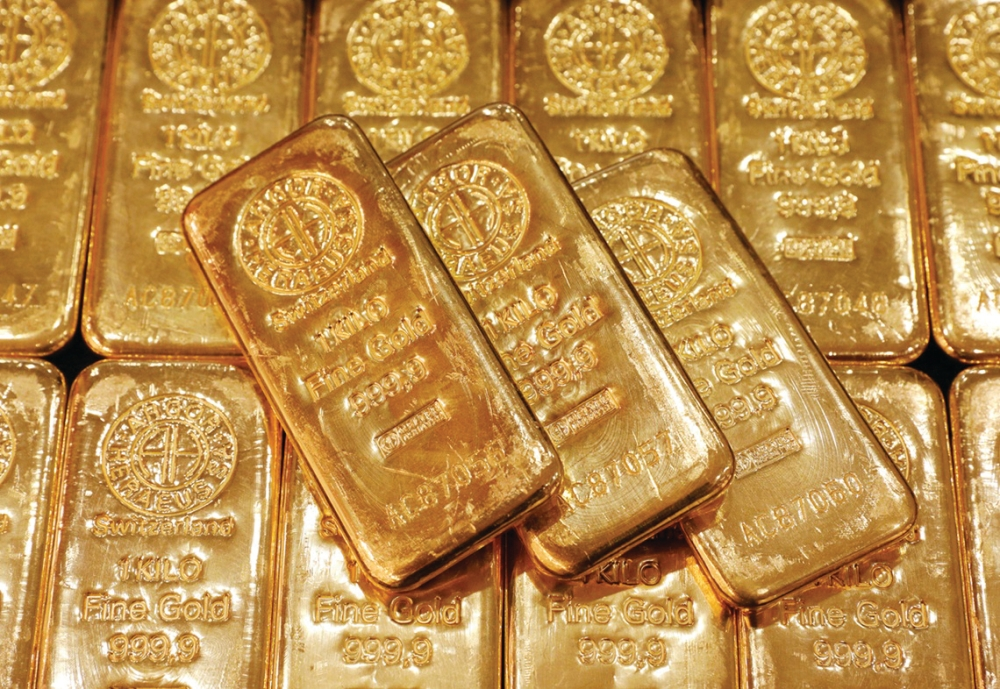
Precious metals prices saw a notable decline on Tuesday, with gold falling slightly and silver suffering a larger loss, amid cautious anticipation in global markets ahead of key US economic data releases this week. Investors are adopting a cautious approach, preferring to wait for jobs data and inflation figures that should provide clearer indications of the Federal Reserve's future interest rate path.
Historical background and current market context
Gold has historically been considered a safe haven for investors during times of economic uncertainty and geopolitical tensions. The precious metal has seen strong gains recently, driven by aggressive buying from central banks worldwide and growing concerns about the stability of the global economy. However, the inverse relationship between gold and US interest rates remains the primary driver of its short-term volatility. When the Federal Reserve raises interest rates, the yield on interest-bearing assets like bonds increases, reducing the appeal of non-yielding gold, and vice versa.
The importance of jobs and inflation data and their expected impact
The non-farm payrolls report and the Consumer Price Index (CPI) data are of paramount importance this week. If the jobs data is strong and inflation continues to rise, it could prompt the Federal Reserve to keep interest rates high for longer to curb inflation—a negative scenario for gold prices. Conversely, if the data shows a slowdown in the labor market and a decline in inflation, it would increase the likelihood of an interest rate cut soon, providing strong support for gold and other precious metals.
In terms of price movements, gold prices in spot trading fell slightly but remained relatively stable at high levels. Silver, which has industrial properties in addition to being a precious metal, saw a sharp decline of nearly 3% in a corrective move after strong gains in the previous session. The losses extended to other metals, with platinum and palladium also declining, affected by the same factors weighing on gold and silver.
Regional and international impact
The impact of this data extends beyond the US market to all global markets. Federal Reserve decisions directly affect the strength of the US dollar, which has an inverse relationship with gold prices. Investors in the Middle East and North Africa are closely monitoring these developments, as gold is a popular investment and hedging tool in the region, and its fluctuations influence local gold markets and individual purchasing decisions.