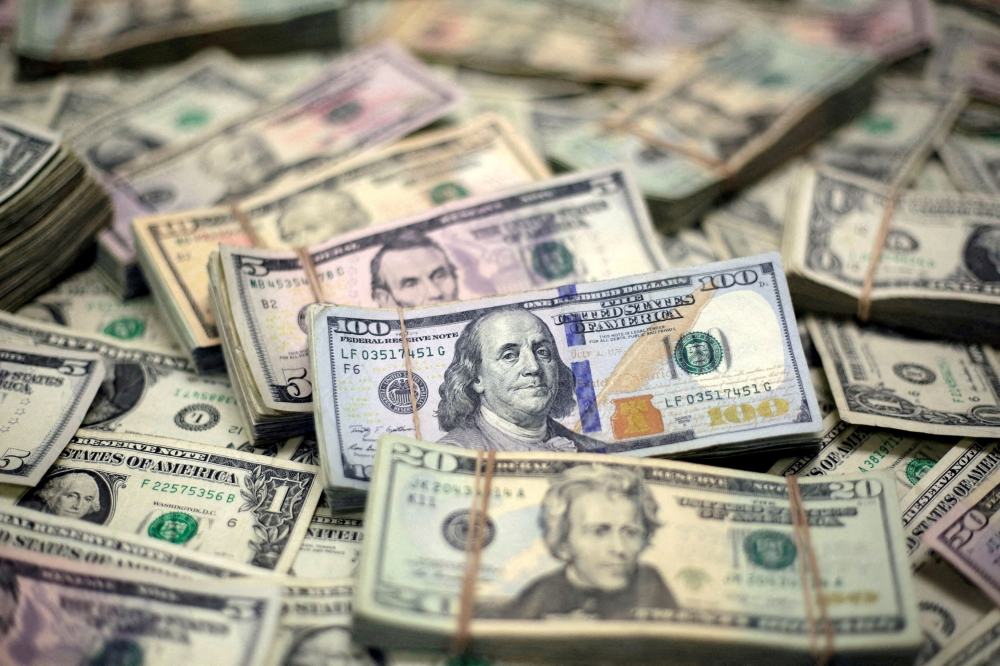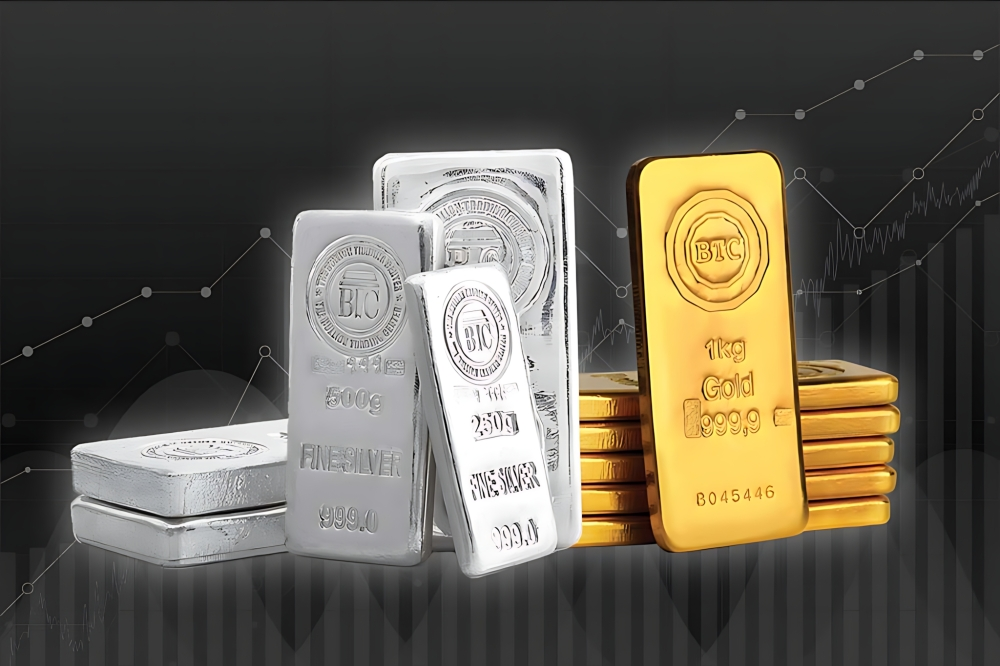
Precious metals markets experienced a sharp sell-off on Thursday, with gold continuing its decline under heavy selling pressure, while silver suffered a "heavy bleak" that saw its price plummet by more than 13%. This decline followed a two-day rally, as traders rushed to take profits, taking advantage of the strengthening US dollar and easing geopolitical tensions that had previously supported safe-haven assets.
General context: The role of gold as a safe haven
Historically, gold and silver have been considered among the most prominent safe havens for investors during times of economic and political uncertainty. These metals act as a store of value and a hedge against inflation and currency fluctuations. However, their value is inversely affected by the performance of the US dollar and interest rates. When the dollar rises, gold becomes more expensive for holders of other currencies, thus reducing its appeal. Similarly, rising government bond yields make non-yielding assets, such as gold, less attractive to investors.
Reasons for the recent decline and the impact of the dollar's strength
In today's trading, the spot price of gold fell by a notable 3%, while silver experienced an even steeper decline of 13.5%. This drop coincided with the US dollar reaching its highest level in two weeks, further pressuring dollar-denominated commodities. This shift in market sentiment triggered widespread selling not only in precious metals but also in global stocks and other commodities such as crude oil and copper.
In this context, Carsten Menke, an analyst at Julius Baer Bank, commented: “What we are seeing is a aftereffects of the volatility we have experienced since last Friday. The market has not yet stabilized, and that is why we are seeing another wave of selling after the recovery of the past two days, and volatility will continue in the near term.”
Expected impact on global and regional markets
The sharp fluctuations in gold and silver prices have far-reaching implications, both globally and locally. Internationally, this decline affects the portfolios of investors, hedge funds, and mining companies. It may also signal a shift in investors' risk appetite, moving from safe-haven assets to higher-risk assets such as equities. Regionally, particularly in areas like the Middle East and North Africa, where gold is a primary investment and savings vehicle for individuals, the price drop may stimulate short-term buying but raises concerns among long-term savers. Central banks, which hold substantial gold reserves, are also affected.
The rest of the precious metals were not immune to this decline, as the price of platinum fell by 6.2%, and palladium lost 3.9% of its value, confirming that the selling pressure was widespread in the precious metals sector.