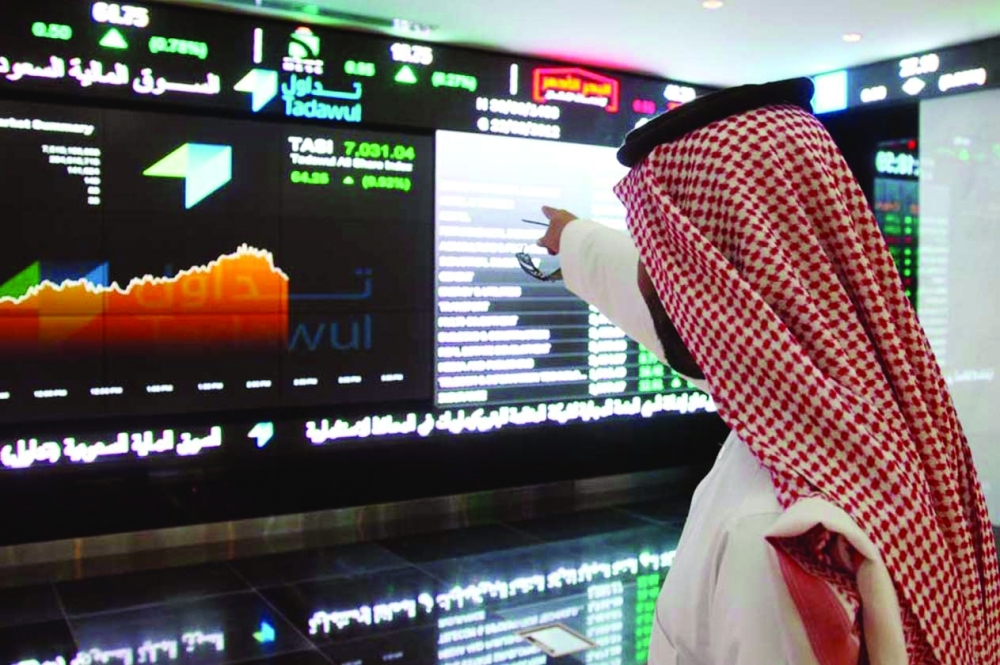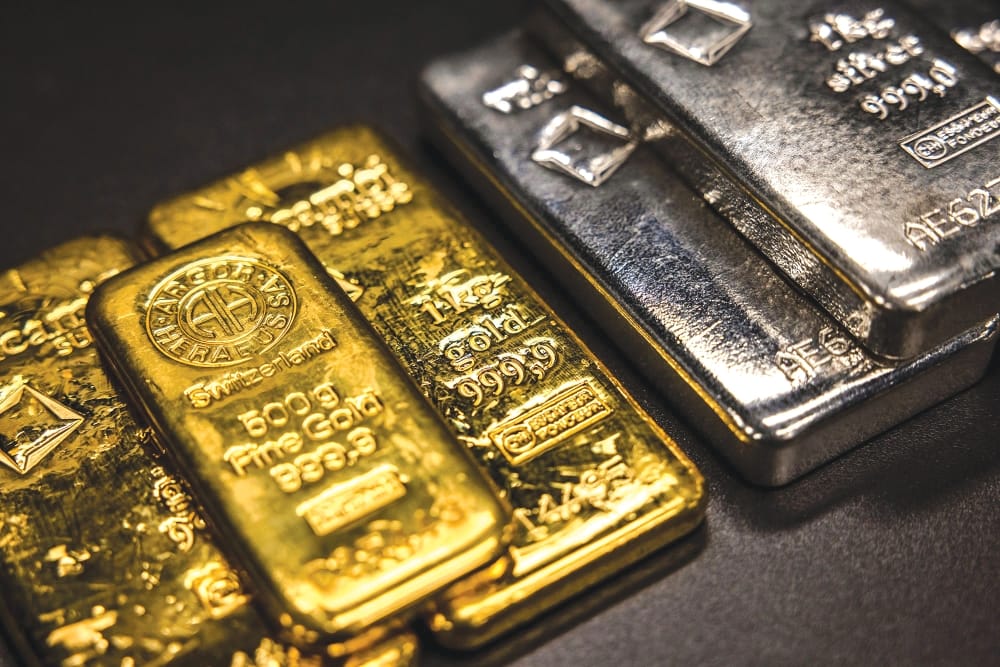
Precious metals markets experienced a sharp sell-off on Thursday, leading to a significant drop in gold and silver prices. This decline was driven by a combination of economic and geopolitical factors, most notably the strong rise of the US dollar to its highest level in two weeks, coupled with easing concerns about global trade tensions, which diminished the appeal of safe-haven assets.
General context and impact of the US dollar
Historically, gold and silver have been considered safe havens for investors during times of economic uncertainty or political turmoil. However, their prices are strongly inversely related to the US dollar. When the dollar rises, gold, which is priced in dollars, becomes more expensive for holders of other currencies, thus reducing demand. The recent rise in the dollar's value has been fueled by growing expectations that the Federal Reserve (the US central bank) may move toward tightening its monetary policy to combat inflation, which enhances the greenback's appeal at the expense of non-yielding assets like gold.
In trading details, spot gold prices fell 1.7%, reaching levels near $1,950 per ounce, after hitting a one-week high earlier in the session. US gold futures also declined 1.1%, settling at $1,965 per ounce. Tim Waterer, senior trading analyst at KMC, said, “The dollar has recovered as markets await central bank decisions, and after the currency managed to extend its gains, traders are now more cautious about gold in light of recent sharp volatility.”
The decline of silver and the impact of geopolitical factors
Silver was the biggest loser in this downturn, with its price plummeting by more than 12% to $26.50 an ounce, a significant drop from its peak last week. In addition to its role as a precious metal, silver is also an industrial metal used in numerous sectors, making it highly sensitive to global economic forecasts. Any signs of slowing growth could reduce industrial demand, exacerbating its losses.
On the geopolitical front, positive news helped calm markets. The US president reported “very positive” talks with his Chinese counterpart, hinting that China might increase its purchases of US agricultural goods, thus easing trade tensions. Additionally, the agreement between the US and Iran to hold talks in Oman reduced risks in the Middle East, which in turn lessened the need for hedging with precious metals.
Importance and expected impact
This sharp decline reflects a shift in investor sentiment from risk aversion to renewed risk appetite. In the short term, gold and silver prices may continue to be pressured if the dollar continues to strengthen and global economic data improves. This shift affects not only individual investors but also central banks, which hold substantial gold reserves, and mining companies, whose profits could be impacted by lower prices.