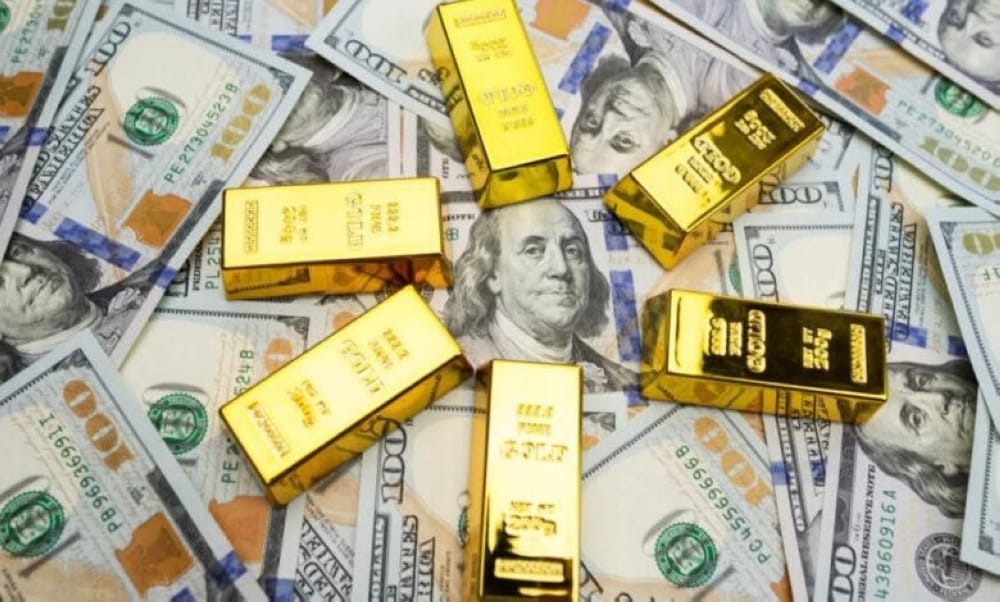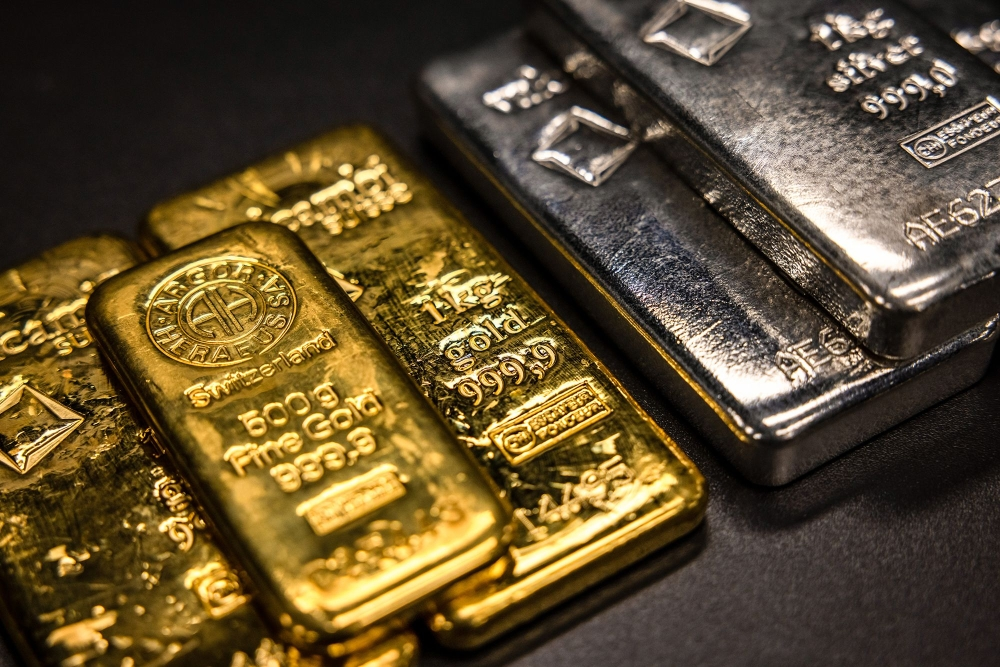
الذهب يكسر الحواجز التاريخية مدفوعاً بالتوترات العالمية
واصلت أسعار الذهب رحلتها الصعودية القوية، محطمةً الأرقام القياسية ومؤكدةً على مكانتها كملاذ آمن رئيسي في أوقات عدم اليقين. يأتي هذا الارتفاع الملحوظ في ظل تزايد المخاوف الجيوسياسية والضبابية التي تخيم على المشهد الاقتصادي العالمي، مما يدفع المستثمرين والمؤسسات المالية على حد سواء إلى التحوط بالمعدن الأصفر. لم يعد الأمر مجرد تقلبات يومية، بل اتجاه واضح يعكس قلقاً عميقاً بشأن استقرار الأسواق المالية التقليدية وقوة العملات الرئيسية.
السياق التاريخي: لماذا يلجأ العالم إلى الذهب؟
على مر العصور، أثبت الذهب قدرته على الحفاظ على القيمة في وجه الأزمات. فمنذ الأزمة المالية العالمية في عام 2008، مروراً بجائحة كوفيد-19، وصولاً إلى النزاعات الجيوسياسية الحالية في أوروبا الشرقية والشرق الأوسط، كان الذهب هو الخيار الأول للمستثمرين الباحثين عن الأمان. هذا الدور التاريخي يتعزز اليوم مع قيام البنوك المركزية العالمية، خاصة في الاقتصادات الناشئة مثل الصين والهند، بزيادة احتياطياتها من الذهب بشكل كبير، في خطوة تهدف إلى تنويع الأصول وتقليل الاعتماد على الدولار الأمريكي.
الفضة تلحق بالركب وتحقق مكاسب استثنائية
في سياق متصل، لم تكن الفضة بعيدة عن دائرة الضوء، بل حققت مكاسب لافتة متفوقة في بعض الأحيان على الذهب. يعود هذا الأداء القوي إلى عاملين رئيسيين: أولاً، كونها بديلاً استثمارياً أرخص سعراً من الذهب، مما يجذب شريحة أوسع من صغار المستثمرين. ثانياً، وهو الأهم، دورها المزدوج كمعدن ثمين ومعدن صناعي حيوي. يتزايد الطلب على الفضة بشكل كبير في الصناعات الحديثة والتقنيات الخضراء، مثل صناعة الألواح الشمسية والسيارات الكهربائية والأجهزة الإلكترونية، وهو ما يخلق طلباً حقيقياً ومستداماً يدعم أسعارها على المدى الطويل.
التأثيرات الاقتصادية وسياسات البنوك المركزية
تأتي هذه التحركات في أسواق المعادن الثمينة في وقت حاسم يترقب فيه العالم قرارات البنوك المركزية الكبرى، وعلى رأسها بنك الاحتياطي الفيدرالي الأمريكي. فبينما يهدف الفيدرالي إلى السيطرة على التضخم المرتفع عبر سياساته النقدية، فإن أي تلميح بتخفيف التشديد النقدي أو خفض أسعار الفائدة مستقبلاً يُعتبر دافعاً إضافياً لأسعار الذهب، كونه يقلل من تكلفة الفرصة البديلة لحيازة المعدن الذي لا يدر عائداً. تصريحات المسؤولين، مثل رئيس مجلس الاحتياطي الفيدرالي، جيروم باول، حول استمرار التضخم فوق المستهدف البالغ 2%، تعزز من جاذبية الذهب كوسيلة للتحوط من تآكل القوة الشرائية.
أما بالنسبة للمعادن النفيسة الأخرى، فقد شهد البلاتين أيضاً ارتفاعاً مدعوماً ببعض التطبيقات الصناعية، بينما يواجه البلاديوم تحديات تتعلق بالتحول في صناعة السيارات. بشكل عام، تعكس أسواق المعادن الثمينة حالة من إعادة تقييم المخاطر العالمية، وتؤكد على أن دورها كأصول استراتيجية في المحافظ الاستثمارية لا يزال محورياً.