Global precious metals markets witnessed dramatic and historic shifts on Wednesday, with gold surpassing the $4,500 per ounce mark for the first time in trading history. This surge was fueled by a strong buying wave and global economic concerns that bolstered its status as a safe haven. The rise wasn't limited to gold; silver and platinum also followed suit, reaching new record highs, reflecting unprecedented momentum in the commodities and metals sector.
Price details and record numbers
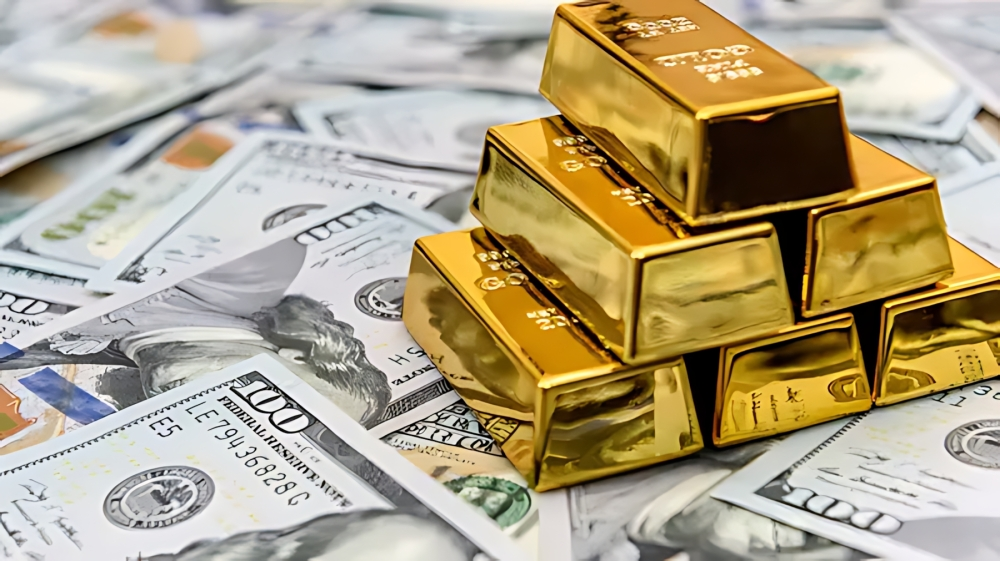
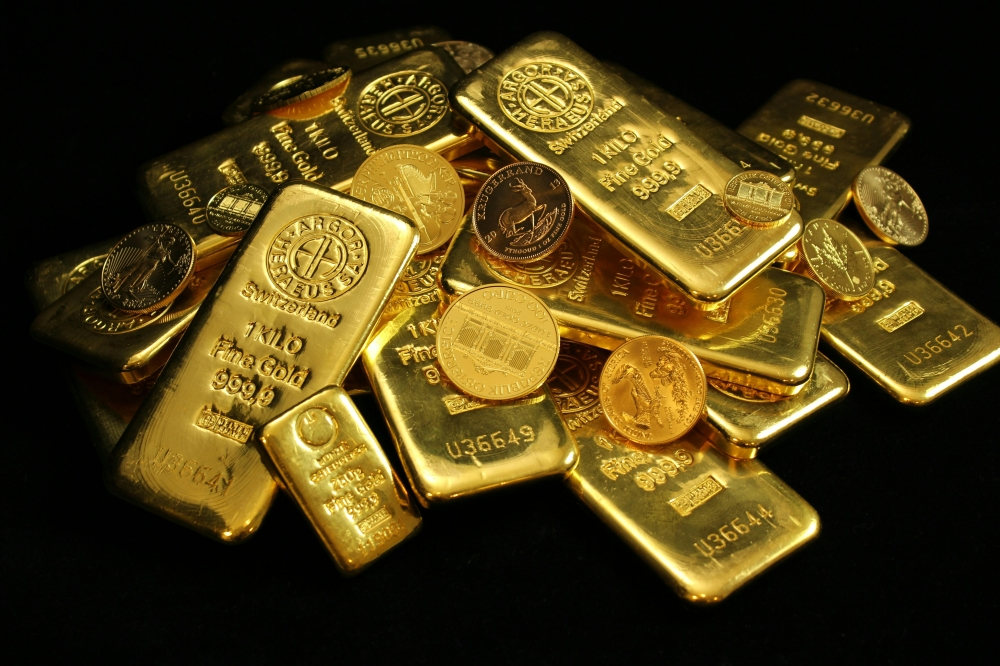
According to spot trading data, gold rose by approximately 0.1% to $4,493.76 per ounce by 10:32 GMT, after hitting a record high of $4,525.19 earlier in the session. In the futures market, US gold futures for February delivery continued their upward trend, rising 0.3% to settle at a record high of $4,520, confirming the continued positive outlook of investors towards the precious metal.
In related news, silver saw a significant jump in spot trading, rising 0.9% to $72.09 per ounce, reaching an all-time high of $72.70. Platinum also joined the upward trend, climbing 0.3% to $2,282.70, after peaking at $2,377.50 before paring some of its gains. Conversely, palladium bucked the trend, declining 2.5% to $1,815.25 in a corrective move after hitting a three-year high.
The economic context and the importance of the event
This dramatic surge in precious metal prices comes at a time of sharp fluctuations in the global economy, with investors typically turning to gold and silver as traditional hedges against inflation and currency market volatility. Gold breaking the $4,500 mark is not merely a price point; it represents a significant psychological and technical barrier, reflecting the erosion of purchasing power in paper currencies and escalating geopolitical tensions in various regions worldwide.
Historically, major price surges in precious metals have been linked to periods of economic uncertainty or changes in the monetary policies of major central banks. Analysts suggest that current levels for silver and platinum also reflect rising industrial demand, particularly with the global shift towards clean energy and advanced technologies that rely heavily on these metals in the electronics and electric vehicle industries.
Expected impacts locally and globally
This rise is expected to cast a shadow on local markets in various countries, as the rise in the price of an ounce globally will lead to a direct increase in the prices of gold jewelry and investment bullion, which may temporarily affect the movement of consumer demand for individuals, while it may motivate investors and institutions to take profits or redistribute their investment portfolios.
Internationally, these high prices could put pressure on production costs in industries that rely on silver and platinum, potentially contributing to higher prices for finished products. However, the current momentum remains a strong indicator that the commodity supercycle may be at its peak, making close monitoring of these price levels crucial for both investors and economic policymakers in the coming period.