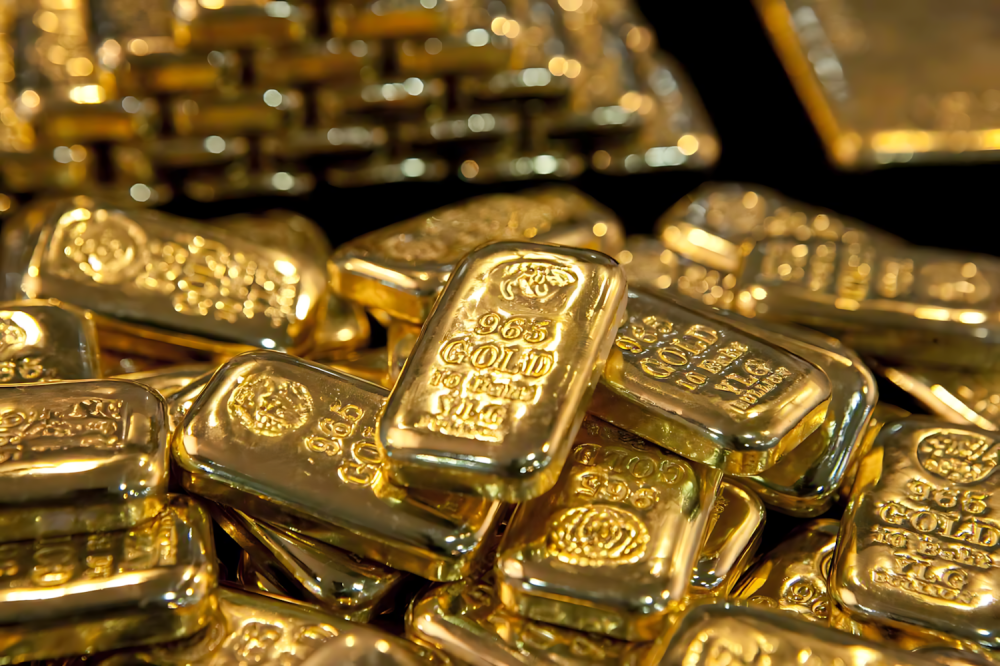
Gold prices experienced a volatile week, fluctuating between gains and losses as markets reacted to a range of economic and geopolitical factors. The primary driver of these movements was investor anticipation of key US inflation data, which plays a pivotal role in determining the Federal Reserve's monetary policy path, coupled with the strength of the US dollar, which reached its highest level in a month.
General context: Gold as a safe haven and investment tool
Historically, gold has been considered a safe haven for investors during times of economic uncertainty and political turmoil. This reputation stems from its ability to retain its value over the long term, unlike paper currencies which are affected by inflation and government policies. Gold has a strong inverse relationship with the US dollar and interest rates. When the dollar rises, gold becomes more expensive for buyers using other currencies, thus reducing demand. Similarly, when interest rates rise, the yield on interest-bearing assets like bonds increases, diminishing the appeal of gold, which does not generate a yield.
Analysis of gold's performance during the week
The week began with a strong upward trend for gold, which posted gains of around 2.5%, driven by weaker-than-expected US inflation data. This data fueled market optimism that the Federal Reserve might move towards cutting interest rates sooner, weakening the dollar and boosting gold's appeal.
But the landscape shifted dramatically mid-week, with prices falling by more than 2% as demand for safe-haven assets waned. However, prices rebounded on Thursday, surging by over 2%, driven by escalating geopolitical tensions between the US and Iran, which renewed market anxieties and boosted demand for gold as a hedge against risk.
As the week drew to a close, gold fell again, dropping 0.1% in spot trading to $4,995.91 an ounce, pressured by the dollar's rise to its highest level in nearly a month, while investors cautiously awaited the final inflation report for clearer indications of the future of monetary policy.
Importance and expected impact
Gold price movements are of paramount importance on multiple levels. Internationally, they serve as an indicator of global investors' risk appetite and reflect concerns about a global economic slowdown or political crises. Regionally and locally, particularly in the Middle East, the price of gold directly impacts consumers who purchase it as both an adornment and an investment, as well as central bank reserves that hold gold as part of their assets. Any change in US monetary policy will have global repercussions, making monitoring US inflation and unemployment data crucial for gold investors worldwide.