Global financial markets witnessed significant shifts on Wednesday, with gold prices surging by more than 2%. This notable rise was driven by a decline in oil prices, which in turn helped alleviate some concerns about inflation rates, along with reduced expectations of central bank interest rate hikes. Meanwhile, investors are closely monitoring conflicting geopolitical developments and ongoing tensions that continue to cast a shadow over the global economic landscape.
The historical context of gold price fluctuations as a safe haven
gold prices have been closely linked to economic crises and geopolitical tensions, with the precious metal considered the primary safe haven for investors during times of uncertainty. Over the decades, gold has proven its ability to retain and even increase its value when paper currencies depreciate or stock and oil markets experience sharp fluctuations. In the current context, price movements reflect a natural market response seeking a hedge against inflation and political instability, a pattern that has been repeated in many previous global crises, where capital turns to tangible and reliable assets to protect wealth.
Details of precious metals performance in spot trading
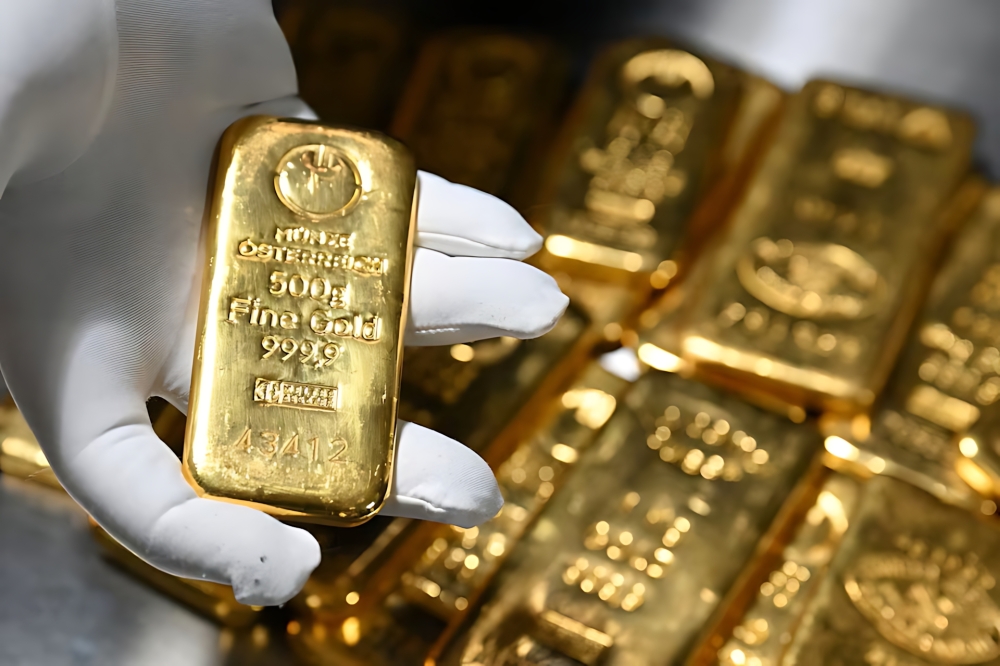
In trading, spot gold rose nearly 2.5% to $4,583.03 an ounce by 11:39 GMT. Similarly, US gold futures (April delivery) jumped 3.5% to $4,556.30. The rally wasn't limited to gold; other precious metals also saw gains. Silver rose 2.2% to $72.76 an ounce, platinum climbed 1.3% to $1,959.15, and palladium gained 1.1% to $1,455.25.
The decline in energy markets and its impact on the economic landscape
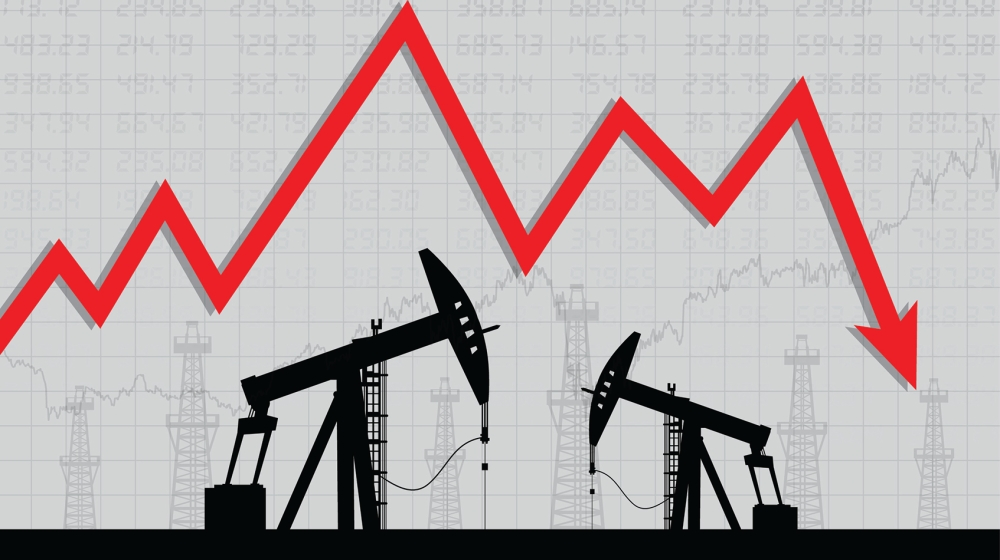
In a separate but directly impactful development, oil prices fell by more than 5% during Wednesday's trading session. This decline came amid cautious optimism regarding US efforts to reach a month-long ceasefire with Iran. However, the picture remains unclear after the Iranian military refused to confirm President Donald Trump's statements about negotiations to end the war that has shaken energy and financial markets, suggesting that the US is negotiating with itself. These contradictions increase market sensitivity and prompt investors to continuously reassess their portfolios.
The importance and expected impact of rising gold prices globally and locally
The current surge in gold prices carries significant economic implications and far-reaching effects. Internationally, this rise reflects declining investor confidence in the stability of traditional markets, putting pressure on central banks, particularly the US Federal Reserve, to reconsider their monetary policies. This was clearly demonstrated at the monetary policy level when investors reduced their bets on a Federal Reserve interest rate hike by December to around 16%, down from 25% last Friday. Regionally and locally, the increased cost of precious metals could impact broad sectors such as the jewelry industry, in addition to its positive effect on central bank reserves, which could benefit from the revaluation of their gold holdings, thus strengthening their financial positions against exchange rate volatility and imported inflation.