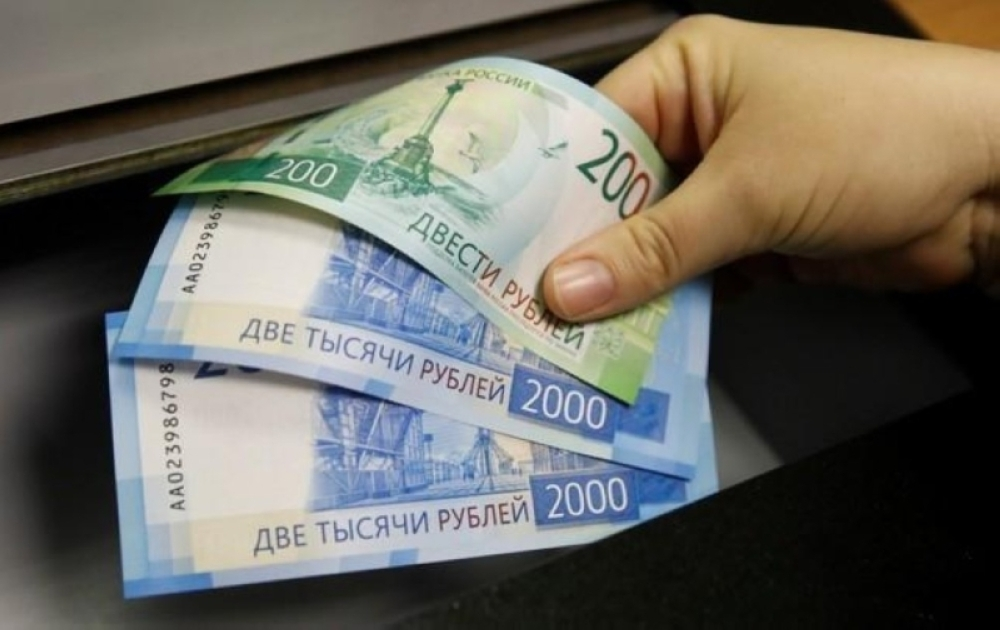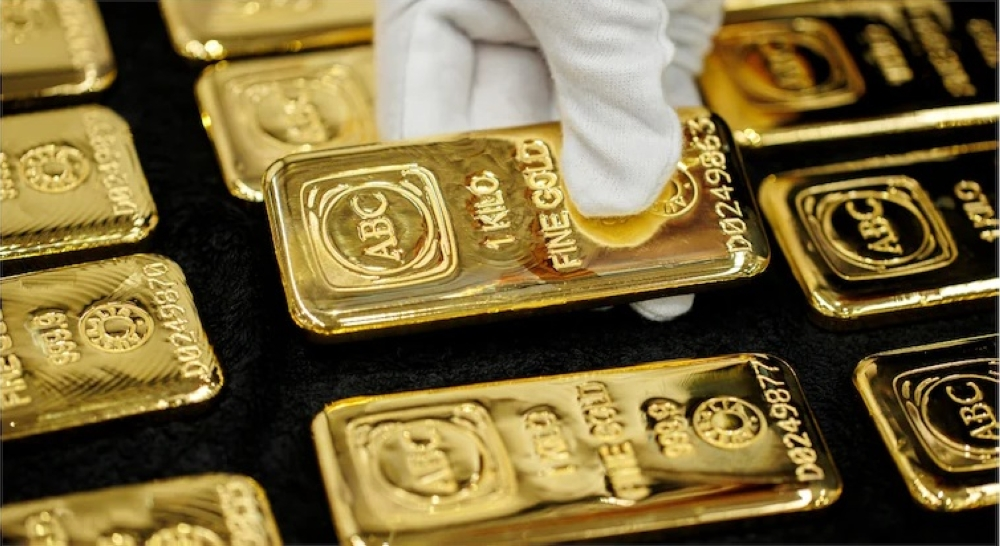
Gold prices held steady near record highs on Tuesday, amid a complex global landscape dominated by escalating geopolitical tensions and economic concerns. The precious metal's strong performance was primarily driven by growing fears of a Russian military escalation in Ukraine, coupled with political uncertainty in Iran, which boosted gold's appeal as a safe haven for investors seeking to hedge against risk.
Market and precious metals performance
In trading, spot gold prices edged down 0.2% to $4,586.15 an ounce by 11:34 GMT, a minor correction after recent record gains. U.S. gold futures for February delivery also fell 0.4% to $4,595.10. Meanwhile, silver continued its strong performance, rising 0.9% to $85.72 an ounce, nearing Monday's record high of $86.22. Among other precious metals, platinum rose 0.1% to $2,344.89, while palladium fell 1.2% to $1,820.75 an ounce.
The geopolitical context and its impact on safe havens
Historically, gold prices have been inversely related to global stability; the more intense the conflicts, the more capital flows into tangible assets. The current situation in Ukraine and fears of renewed Russian attacks are reshaping the investment risk landscape, prompting institutions and individuals to increase their gold holdings. Simultaneously, political turmoil in Iran adds another layer of complexity to the regional landscape in the Middle East, impacting market sentiment and supporting the prices of commodities and precious metals as stores of value during times of crisis.
US monetary policy and inflation data
Aside from geopolitics, investors are focused today on the United States, awaiting the release of the Consumer Price Index (CPI) data (inflation). This data is of paramount importance as it will determine the Federal Reserve's monetary policy course in the coming period. Current market expectations point to the possibility of two interest rate cuts this year. It is a well-established economic principle that lower interest rates reduce the opportunity cost of holding gold, which does not generate a periodic return, making it more attractive compared to bonds and other debt instruments. Consequently, any signs of slowing inflation could give the precious metal a significant boost towards unprecedented highs.