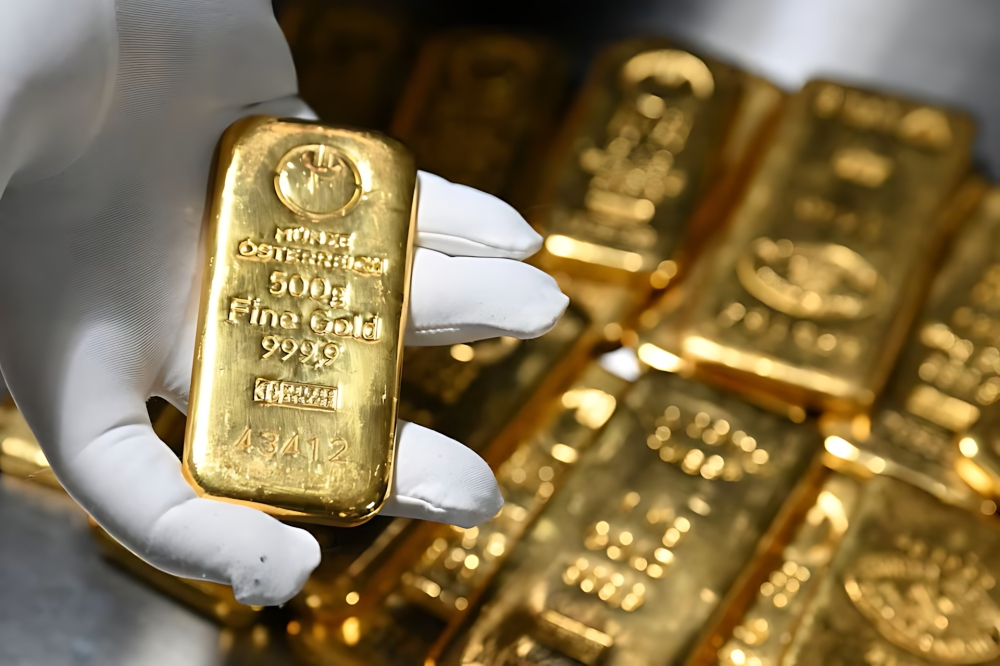
Gold prices remained relatively stable on Tuesday, holding above the $5,000 per ounce mark. This stability follows a slight decline in the US dollar index and reflects a cautious outlook among traders and investors in global markets. Attention is currently focused on international efforts to contain a potential shortage in global oil supplies, a shortage stemming from escalating tensions and fears of a US-Iran war, prompting investors to seek safe havens to protect their wealth.
In trading, the price of gold settled at $5,005.54 per ounce in spot transactions. Meanwhile, silver saw a slight increase of 0.1%, reaching $80.90 per ounce. Other industrial and precious metals markets also experienced positive movements, with platinum and palladium both recording notable price increases, reflecting a general trend towards hedging with metals during times of crisis.
The historical context of the impact of geopolitical crises on gold prices
Historically, gold prices directly correlated with geopolitical crises and wars. Gold is considered the primary safe haven for capital when danger is perceived. Looking at US-Iranian relations, we find they have been characterized by persistent tension for decades, beginning with the hostage crisis in the late 1970s, continuing through tensions related to the nuclear program, and culminating in escalating events in the Middle East and the Strait of Hormuz, a vital artery for global energy supplies. Every escalation in this sensitive region has directly led to spikes in precious metal prices, as investors fear disruptions to supply chains and the impact on the global economy, making gold the ideal choice for preserving value.
Economic repercussions and the impact of tensions on global markets
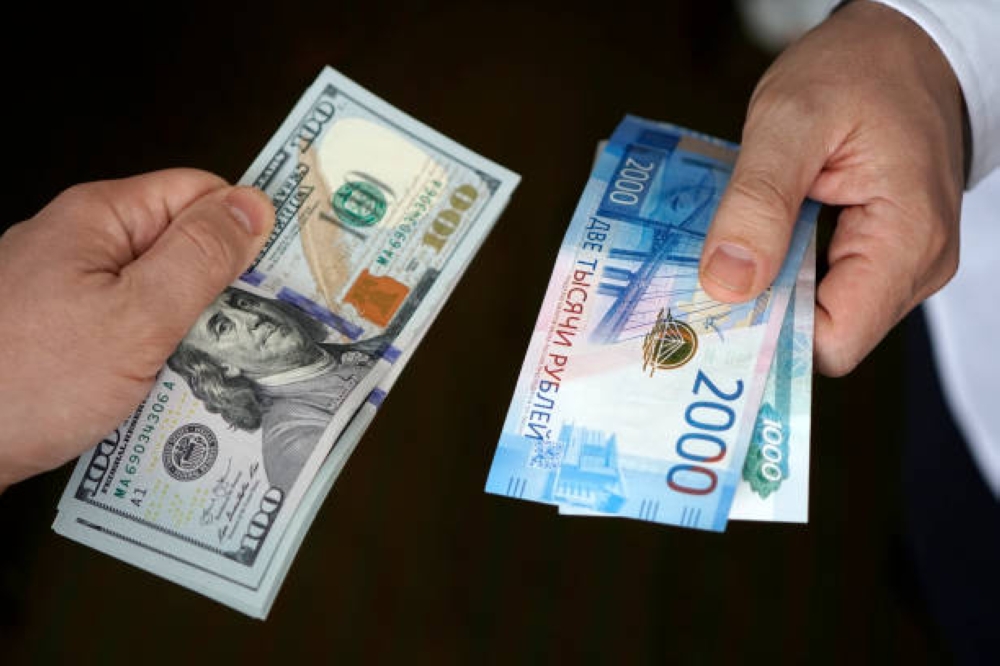
The stability of prices at these record levels has profound economic implications and far-reaching effects. Locally and regionally, these tensions are leading to a comprehensive revaluation of local currencies against the dollar and prompting central banks in the Middle East to increase their gold reserves in anticipation of any economic shocks. Internationally, the impact extends to equity and bond markets, as investments move away from high-risk assets and towards safe havens. Furthermore, any disruption to oil supplies due to conflict will inevitably lead to higher production and transportation costs globally, fueling new waves of inflation that will burden both major and emerging economies.
Stagflation fears and the future of gold
Early trading saw the precious metal briefly dip below $5,000 an ounce, after suffering a 0.3% loss in the previous session. Meanwhile, the dollar index fluctuated, rising 0.1% after falling 0.6% on Monday. Despite these temporary dips, gold remains strong, having risen by approximately 16% since the beginning of the year. This robust performance is primarily supported by geopolitical instability and threats to the independence of the US Federal Reserve's decision-making.
Furthermore, growing concerns about entering a period of stagflation—a complex economic condition characterized by a sharp slowdown in economic growth rates coupled with persistently high inflation—are among the strongest long-term supporters of gold. In this uncertain economic environment, the purchasing power of paper currencies erodes, increasing gold's appeal as a reliable store of value and reinforcing its status as an indispensable strategic hedge in investment portfolios against future volatility.