Gold prices surged on Monday, reaching their highest level in over a week and nearing an all-time high, fueled by a wave of anxiety sweeping global markets. This sharp rise came as a direct response to the intense geopolitical turmoil triggered by the United States' announcement of the arrest of Venezuelan President Nicolás Maduro , an event that prompted investors to flee to safe-haven assets in anticipation of unforeseen consequences.
Record figures in the precious metals market
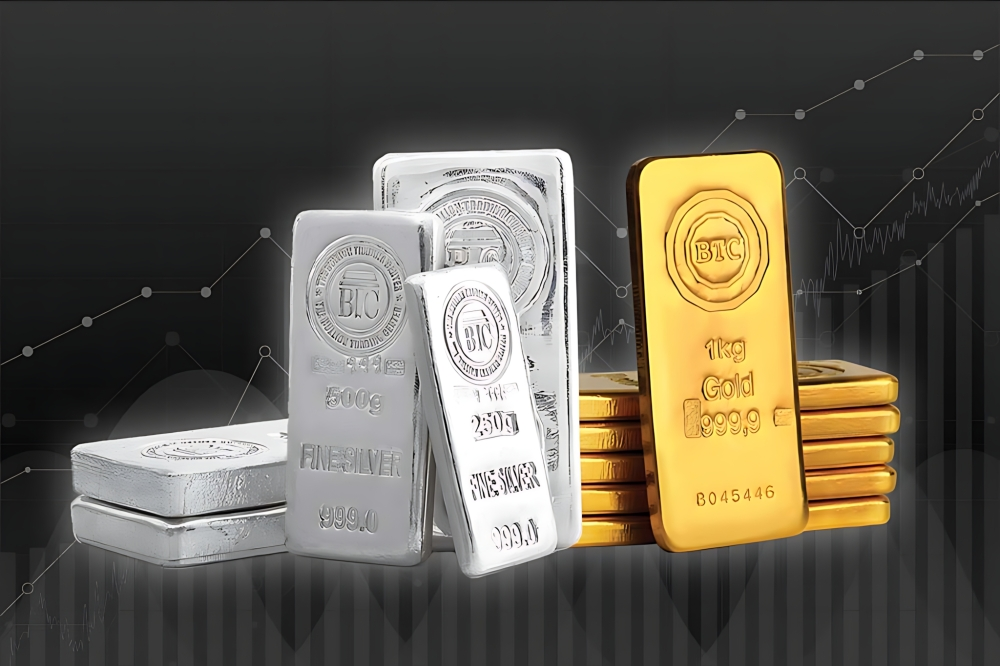
In trading, gold 2.3% to $4,430.27 an ounce by 11:23 GMT. This increase mirrored a 2.6% rise in US gold futures (February delivery), which settled at $4,443 an ounce.
The gains weren't limited to gold; other precious metals also saw increases. Silver jumped 3.9% to $75.42 an ounce, attempting to catch up with its record high of $83.62 set on December 29, 2015. Platinum rose 3.1% to $2,208.62 an ounce, and palladium climbed 2.3% to $1,676.12.
The geopolitical implications of Maduro's arrest
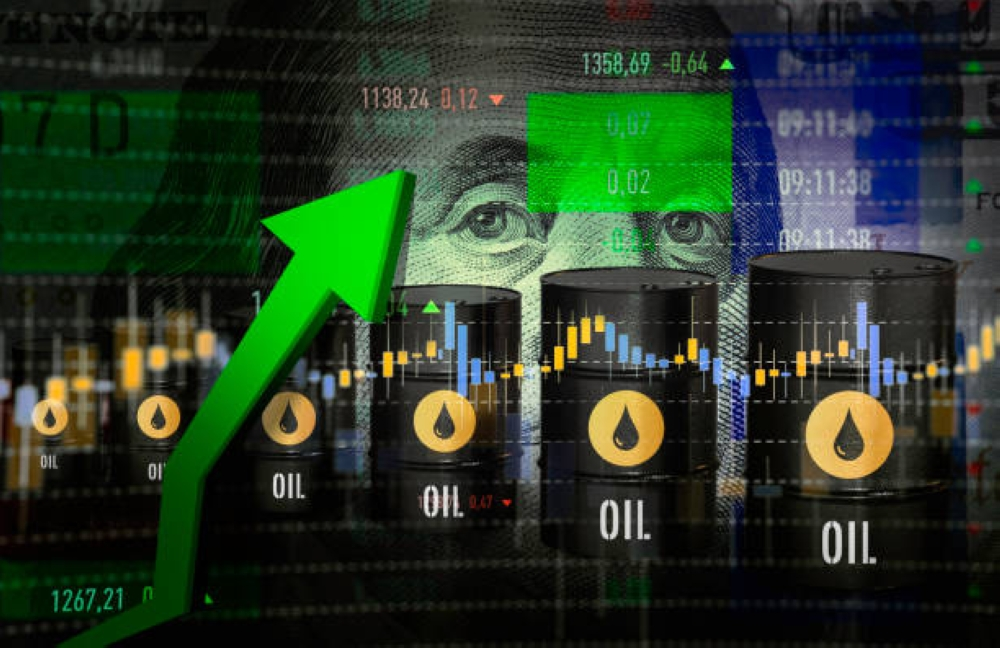
The arrest of a sitting head of state is an extremely rare event in international relations, which explains the violent market reaction. Venezuela, which possesses the world's largest proven oil reserves, plays a pivotal role in the global energy equation. Analysts fear that this arrest could lead to a power vacuum or internal conflicts that could disrupt energy supplies or plunge the region into prolonged instability.
Capital typically flows into gold during such critical times, as it is considered the traditional “safe haven” that preserves value against the volatility of paper currencies and political risks. The current surge reflects investor concerns that the circle of tension could widen to include other international actors allied with Venezuela, potentially putting pressure on the global economy.
Awaiting the US Federal Reserve's data
Beyond politics, macroeconomic factors continue to play a crucial role in shaping prices. Financial markets are cautiously awaiting the release of the US non-farm payrolls data for December, scheduled for next Friday. This data is a key indicator used by the Federal Reserve in formulating its monetary policy.
Current forecasts indicate that investors are betting on interest rate this year. Historically, lower interest rates reduce the opportunity cost of holding gold, which does not generate interest, thus enhancing its investment appeal amidst ongoing geopolitical risks.