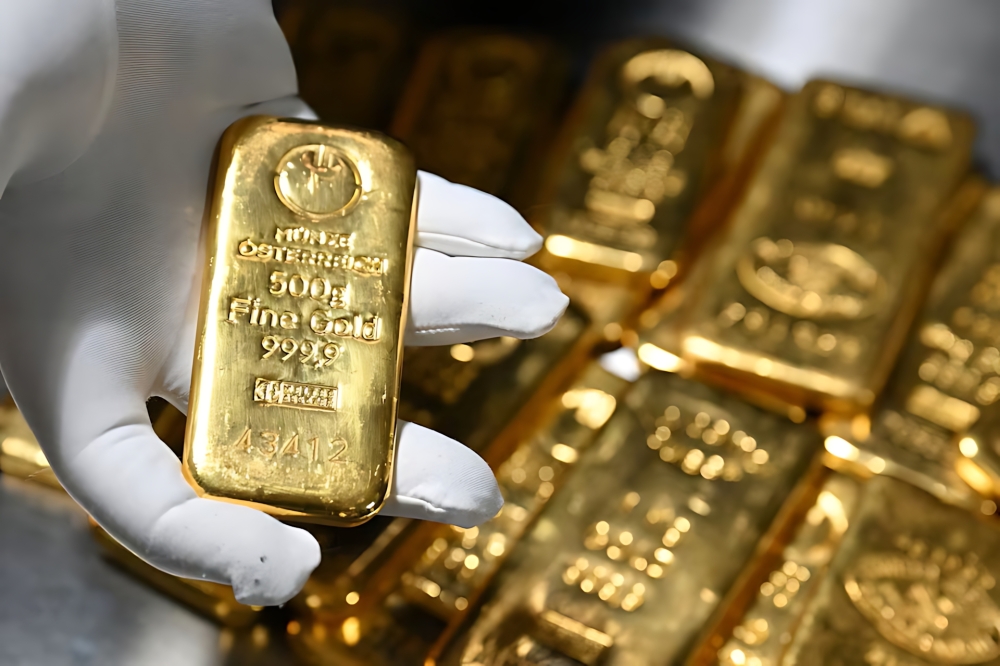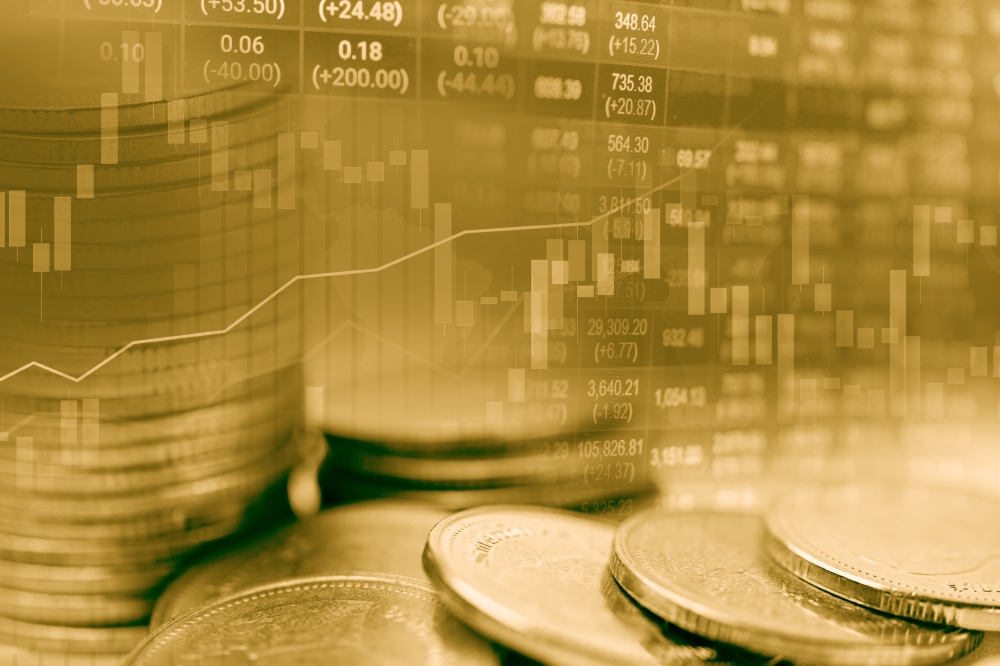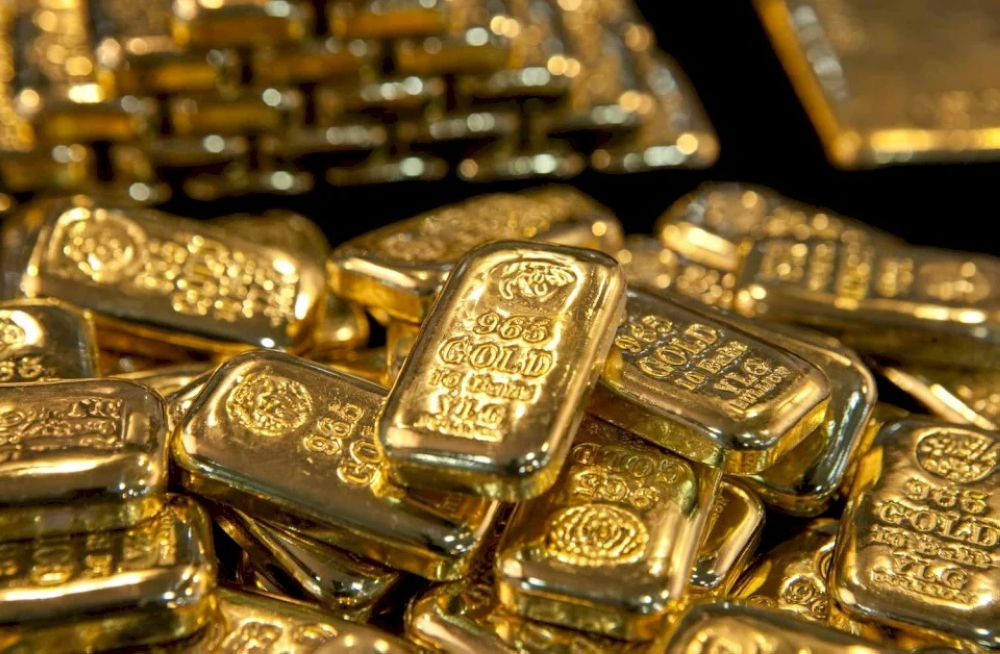
شهدت أسواق المعادن النفيسة تقلبات حادة، حيث انخفض سعر الذهب في المعاملات الفورية بنسبة تجاوزت 4% خلال جلسة تداول اليوم. يأتي هذا التراجع الملحوظ بعد فترة من المكاسب القوية التي دفعت المعدن الأصفر لتسجيل أفضل أداء شهري له منذ عقود، مما يثير تساؤلات المستثمرين حول اتجاهات السوق المستقبلية.
هذا الانخفاض، الذي تبعه هبوط في أسعار الفضة والبلاتين، يمكن أن يُعزى إلى عدة عوامل متداخلة. غالبًا ما تحدث عمليات تصحيح سعري أو جني أرباح بعد ارتفاعات قياسية، حيث يسعى المستثمرون إلى تأمين مكاسبهم. بالإضافة إلى ذلك، قد تؤثر البيانات الاقتصادية الإيجابية أو التصريحات الصادرة عن البنوك المركزية الكبرى، مثل الاحتياطي الفيدرالي الأمريكي، على جاذبية الذهب. فعندما تشير البيانات إلى تعافٍ اقتصادي قوي، أو عندما يتم تلميح لرفع أسعار الفائدة، يميل المستثمرون إلى الأصول ذات العائد مثل السندات، مما يقلل من جاذبية الذهب الذي لا يدر عائدًا.
السياق التاريخي للذهب كملاذ آمن
على مر العصور، رسخ الذهب مكانته كـ “ملاذ آمن” رئيسي في أوقات الأزمات الاقتصادية والجيوسياسية. يلجأ إليه المستثمرون للحفاظ على قيمة ثرواتهم ضد مخاطر التضخم، تقلبات العملات، والاضطرابات السياسية. شهدنا هذا السلوك بوضوح خلال الأزمة المالية العالمية عام 2008، وأثناء تفشي جائحة كوفيد-19، حيث سجلت أسعار الذهب ارتفاعات تاريخية. لذلك، فإن أي تراجع في سعره يُنظر إليه بعناية، حيث قد يعكس تغيرًا في معنويات المستثمرين تجاه المخاطر العالمية أو ثقة متزايدة في استقرار الاقتصاد العالمي.
التأثيرات المتوقعة على الأصعدة المختلفة
إن تقلبات أسعار الذهب لها تأثيرات واسعة النطاق تتجاوز المستثمرين الأفراد. على الصعيد الدولي، تؤثر هذه التغيرات على احتياطيات البنوك المركزية حول العالم، والتي تحتفظ بكميات كبيرة من الذهب كجزء من أصولها. كما تؤثر على أسهم شركات التعدين وأسواق السلع العالمية بشكل عام.
إقليميًا، خاصة في مناطق مثل الشرق الأوسط وجنوب آسيا حيث يمتلك الذهب أهمية ثقافية واقتصادية كبيرة، يمكن أن يؤدي انخفاض الأسعار إلى زيادة الطلب على المشغولات الذهبية والسبائك من قبل المستهلكين والمستثمرين الصغار، الذين قد يعتبرونه فرصة للشراء. أما على الصعيد المحلي، فيتأثر تجار التجزئة والمستهلكون بشكل مباشر، حيث يؤثر السعر على قرارات الشراء المتعلقة بالمناسبات الاجتماعية والاستثمار الشخصي.
وفيما يتعلق ببقية المعادن النفيسة، شهدت الفضة أيضًا تراجعًا حادًا بنسبة اقتربت من 5.7%، وخسر البلاتين 5.3% من قيمته. وفي المقابل، خالف البلاديوم هذا الاتجاه مسجلًا ارتفاعًا بنسبة 5.8%، مما يعكس الديناميكيات المختلفة التي تحكم كل معدن على حدة، حيث يتأثر البلاديوم بشكل كبير بالطلب من قطاع صناعة السيارات.