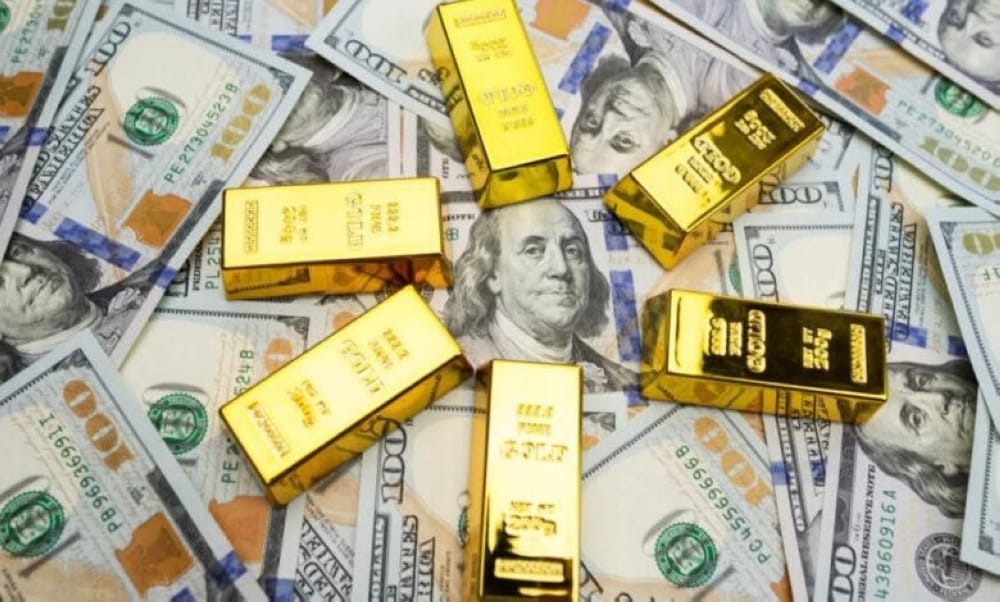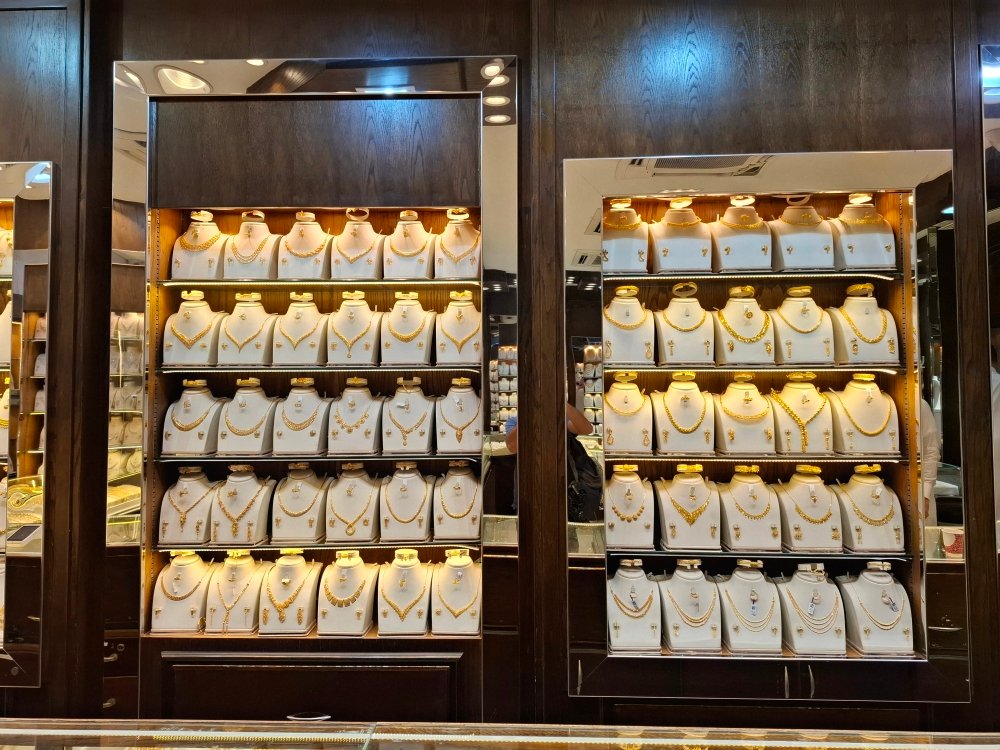
شهدت أسعار الذهب في المملكة العربية السعودية ارتفاعًا ملحوظًا خلال التعاملات الصباحية ليوم الخميس، 29 يناير 2026، لتواصل مسيرة التذبذب التي تسيطر على أسواق المعدن الأصفر عالميًا. ويأتي هذا الارتفاع في ظل حالة من الترقب تسود أوساط المستثمرين والمستهلكين على حد سواء، الذين يتابعون عن كثب مؤشرات الاقتصاد العالمي وتأثيرها المباشر على قيمة الذهب كملاذ آمن.
تفاصيل أسعار الذهب اليوم في السعودية
عكس الارتفاع الأخير نفسه على كافة العيارات المتداولة في السوق السعودي، وفيما يلي تفصيل للأسعار المسجلة اليوم مقارنة بأسعار إغلاق الأمس:
- سعر جرام الذهب عيار 24: بلغ 669.5 ريال، مرتفعًا من 648.5 ريال.
- سعر جرام الذهب عيار 22: سجل 613.75 ريال، مقابل 594.5 ريال أمس.
- سعر جرام الذهب عيار 21: ارتفع إلى 586 ريالًا، مقارنة بـ 567.5 ريال عند إغلاق أمس.
- سعر جرام الذهب عيار 18: وصل إلى 502.25 ريال، بعد أن كان 486.25 ريال.
- سعر جرام الذهب عيار 14: سجل 390.5 ريال.
- سعر جرام الذهب عيار 12: بلغ 334.75 ريال.
كما ارتفع سعر أوقية الذهب في السعودية ليسجل 20827.5 ريال، وبلغ سعر الجنيه الذهب 4687.25 ريال.
السياق العام والخلفية التاريخية لتقلبات الذهب
تاريخيًا، يُعتبر الذهب أداة تحوط رئيسية ضد التضخم وعدم اليقين الاقتصادي والسياسي. تتأثر أسعاره بشكل مباشر بالسياسات النقدية للبنوك المركزية الكبرى، وعلى رأسها مجلس الاحتياطي الفيدرالي الأمريكي. فعندما ترتفع أسعار الفائدة، يميل المستثمرون إلى الأصول التي تدر عائدًا مثل السندات، مما يقلل من جاذبية الذهب الذي لا يقدم فائدة. وعلى العكس، في بيئة أسعار الفائدة المنخفضة، يزداد الطلب على الذهب. كما يلعب سعر صرف الدولار الأمريكي دورًا محوريًا؛ حيث توجد علاقة عكسية بينهما، فارتفاع الدولار يجعل الذهب أكثر تكلفة لحاملي العملات الأخرى، والعكس صحيح.
أهمية الحدث وتأثيره المتوقع
على الصعيد المحلي، يؤثر ارتفاع أسعار الذهب بشكل مباشر على المستهلكين في السعودية، خاصة المقبلين على الزواج الذين يشترون المشغولات الذهبية كجزء أساسي من التقاليد. كما يؤثر على قرارات المستثمرين الأفراد الذين يلجؤون إلى السبائك والجنيهات الذهبية للحفاظ على قيمة مدخراتهم. أما إقليميًا ودوليًا، فإن هذه التقلبات تعكس حالة القلق السائدة في الأسواق العالمية، سواء بسبب التوترات الجيوسياسية أو المخاوف من تباطؤ النمو الاقتصادي العالمي. ويراقب المحللون عن كثب البيانات الاقتصادية القادمة، مثل تقارير التضخم والوظائف، لاستشراف الخطوات التالية للبنوك المركزية، والتي ستحدد بدورها مسار أسعار المعدن النفيس في الفترة المقبلة.