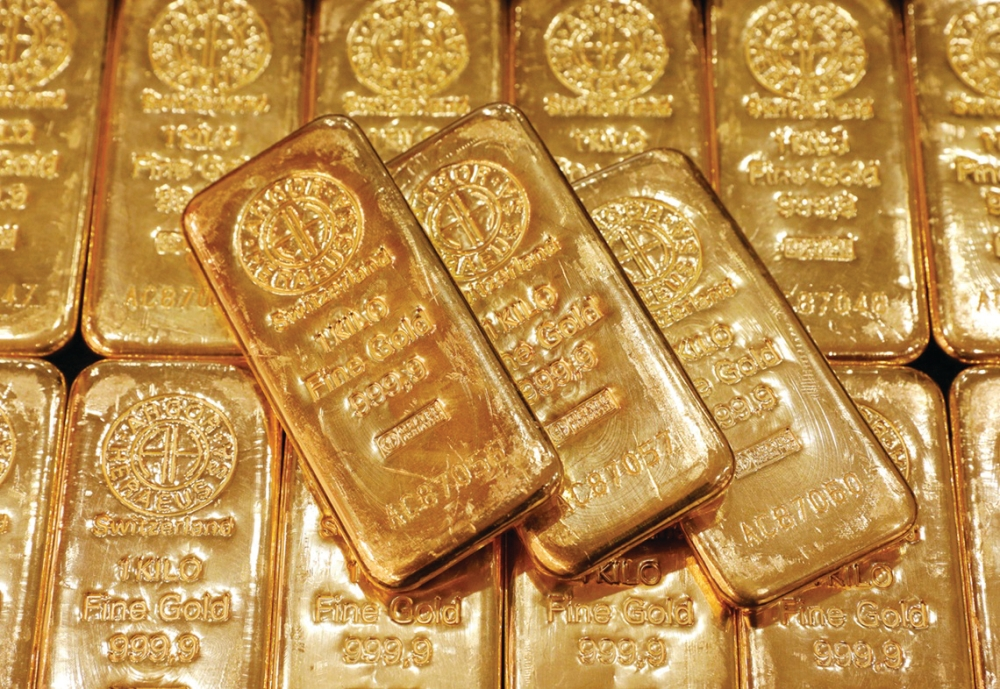
Gold prices in Saudi Arabia witnessed a notable decline during trading on Tuesday, influenced by the volatility prevailing in global markets for the precious metal. This drop has raised questions among investors and consumers about whether the markets are heading towards a price correction after the recent increases.
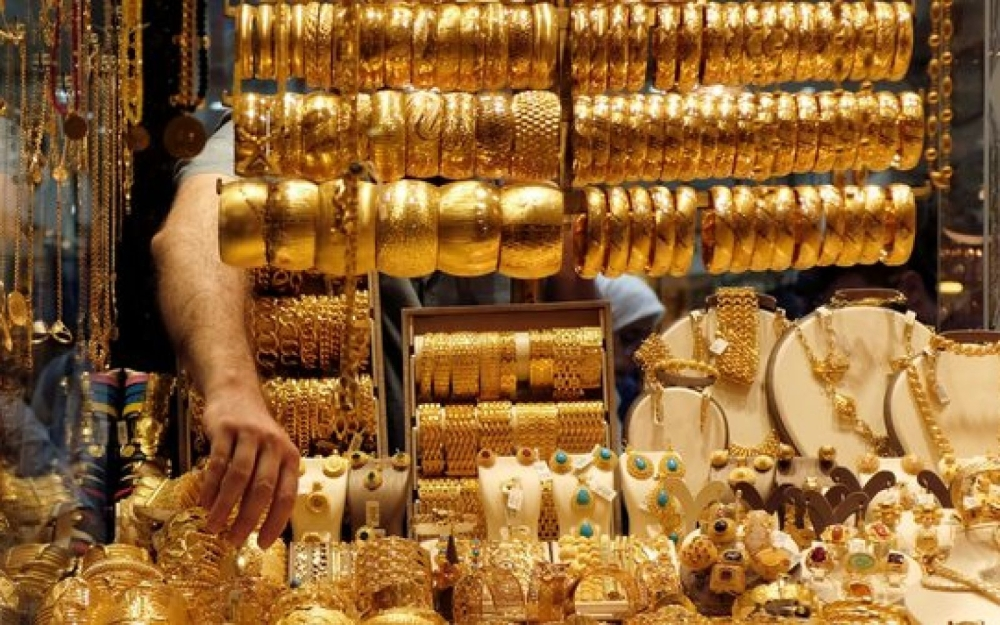
Gold, especially 21-karat gold, is the most popular and traded commodity in the Saudi market, both for adornment and as an investment and hedging tool. Therefore, many closely monitor its daily price movements before making buying or selling decisions.
Gold prices today in Saudi Arabia for different carats
Today's gold prices in Saudi Arabia were recorded at the following figures:
- The price of a gram of 24-karat gold reached 616.5 Saudi Riyals.
- The price of a gram of 22-karat gold has dropped to 565 Saudi Riyals.
- The price of a gram of 21-karat gold: recorded 539.25 Saudi Riyals.
- The price of a gram of 18-karat gold reached 462.25 Saudi Riyals.
- The price of a gram of 14-karat gold reached 359.5 Saudi Riyals.
- The price of a gram of 12-karat gold has decreased to 308.25 Saudi Riyals.
In terms of larger quantities, the price of an ounce of gold in Saudi Arabia today recorded 19,171.75 riyals, while the price of a gold pound reached 4,314.75 riyals.
General context: Gold as a safe haven amid global volatility
Historically, gold has been viewed as a safe haven for investors during times of economic uncertainty and geopolitical tensions. When risks increase in other financial markets or inflation rises, demand for the precious metal tends to increase, driving its price higher. The current price decline may reflect a slight improvement in global risk appetite or anticipation of key economic data that could influence the monetary policies of major central banks.
The importance of the event and its expected impact
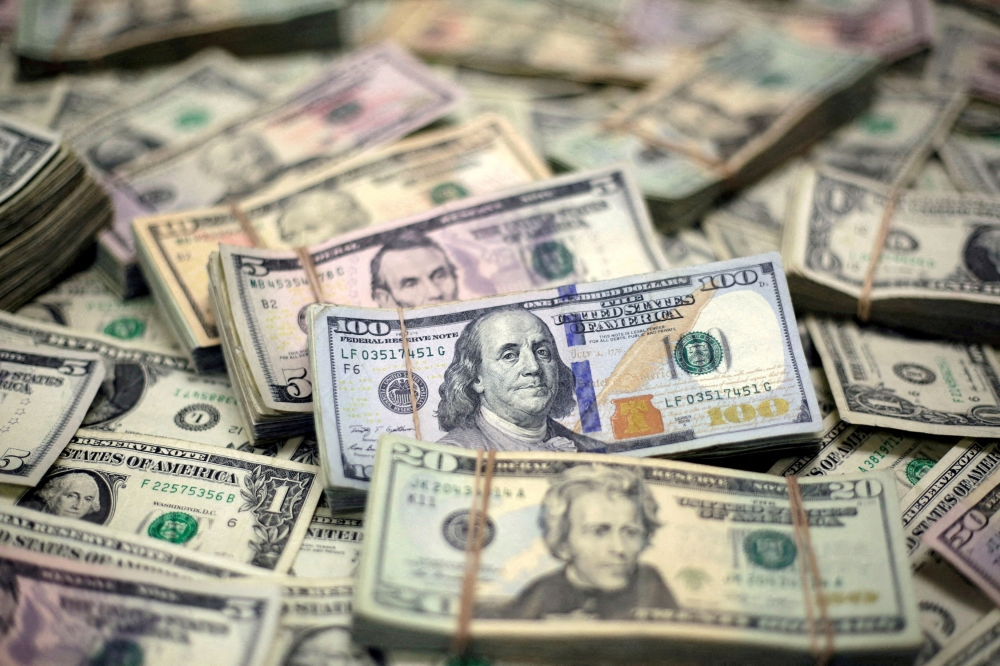
The price of gold in the Saudi market is directly affected by global prices, which are themselves subject to a range of factors, most notably the exchange rate of the US dollar and the interest rate policies set by the US Federal Reserve. There is generally an inverse relationship between the dollar and gold; a stronger dollar makes gold more expensive for holders of other currencies, potentially reducing demand. Furthermore, raising interest rates increases the opportunity cost of holding gold, which does not generate income, thus putting downward pressure on its price.
Locally, the decline in gold prices could stimulate buying and selling activity in Saudi Arabia's gold markets, as consumers may see this drop as an opportune moment to purchase gold jewelry and gifts. For investors, this decline could represent a good entry point to increase their gold holdings as part of a long-term investment strategy aimed at portfolio diversification and hedging against inflation.