Gold markets in Saudi Arabia witnessed a noticeable stability on Sunday, January 11, 2026, during both the morning and afternoon trading sessions, coinciding with the weekend closure of global stock exchanges. This stability comes amidst a sense of anticipation among both investors and consumers, awaiting the reopening of global markets and the emergence of new trends in the price of the precious metal.
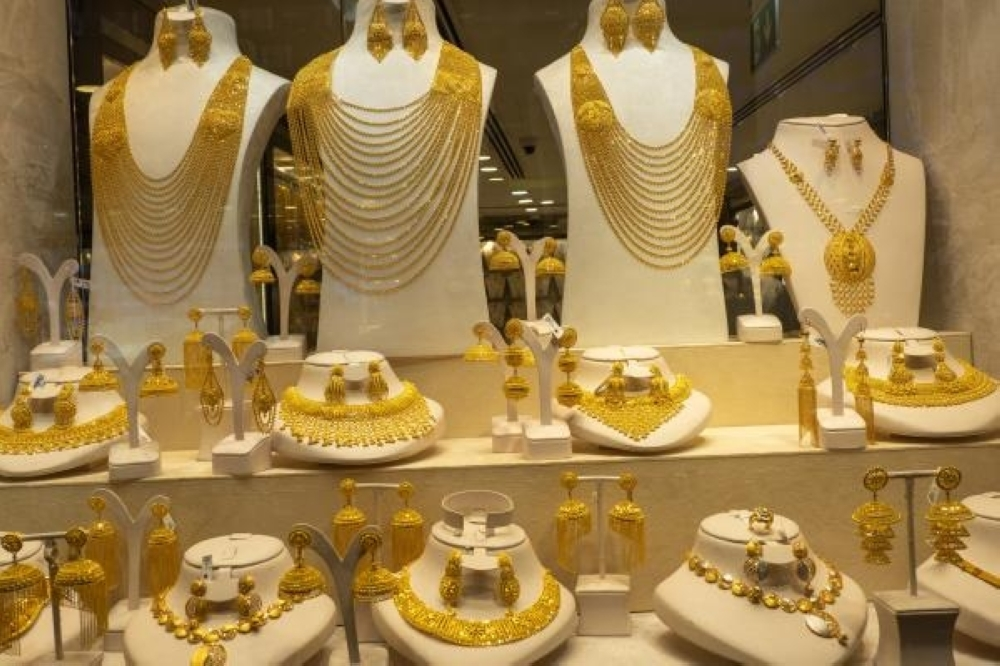
Gold is considered one of the most important savings vehicles relied upon by citizens and residents in the Kingdom, and its price is closely monitored daily due to its deep connection to local culture, whether for adornment or investment. The price of a gram of 21-karat gold, the most sought-after and popular type in the Saudi market, has maintained its recent levels, reflecting a temporary balance between local supply and demand.
Gold price list today in Saudi Arabia
According to the latest data recorded today, Sunday, the prices of different gold carats in the Saudi market were as follows:
- The price of a gram of 24-karat gold was approximately 543.75 Saudi Riyals. This karat is considered the purest and is commonly used in gold bullion intended for long-term investment and savings.
- The price of a gram of 22-karat gold: settled at 498.5 Saudi Riyals.
- The price of a gram of 21-karat gold reached 475.75 Saudi riyals. This karat is considered the "market leader" in the Kingdom, as Saudi families prefer it for gold jewelry due to its durability and luster.
- The price of a gram of 18-karat gold: recorded 407.75 Saudi Riyals, which is the preferred karat for modern jewelry and light sets.
- The price of a gram of 14-karat gold reached 317.25 Saudi Riyals.
- The price of a gram of 12-karat gold: settled at 272 Saudi Riyals.
Other figures in the gold market
Regarding larger weights, the price of a gold pound (which usually weighs 8 grams of 21-karat gold) was recorded at around 3806.5 Saudi riyals, while the price of an ounce was traded at levels of 1691.25 riyals (according to the data received, taking into account the price differences according to the workmanship and the source).
Factors affecting gold prices globally and locally
To understand the context of these prices, one must consider the macroeconomic factors driving the precious metals market. Gold has historically been a “safe haven” for investors during periods of high inflation or geopolitical instability. Prices in the Saudi market are directly influenced by the global price per ounce on the London and New York exchanges, as well as the exchange rate of the US dollar against the Saudi riyal.
Interest rates set by the US Federal Reserve also play a pivotal role; there is generally an inverse relationship between interest rates and gold. When interest rates rise, bonds and the dollar become more attractive, putting downward pressure on gold prices, and vice versa. Locally, a "manufacturing fee" is added to the advertised price, and this varies from one store to another and from one brand to another, making the final price for the consumer slightly higher than the raw material price.
The importance of gold in the local economy
The gold and jewelry sector in Saudi Arabia is a cornerstone of the retail industry, with the Kingdom being one of the largest gold markets in the Middle East. Sales and purchases typically surge during wedding seasons and holidays, making price stability an incentive for those planning to marry to complete their purchases before any potential price increases.